
The Role of Nutrition in Fetal Growth
What you eat during pregnancy directly influences how your baby develops in the womb and can impact their health for years to come. The nutrients from your diet provide the essential building blocks for your baby’s organs, tissues, and overall growth while supporting your changing body throughout this transformative journey.
Key Highlights
Here’s what you need to know about nutrition’s impact on your baby’s development:
- Your nutritional intake during the second trimester directly supports rapid fetal growth and development.
- You only need about 340-450 extra calories daily in later pregnancy, not truly “eating for two.”
- First-trimester nutrition establishes the foundation for your baby’s organ development.
- Nutrient-dense foods provide more benefits than calorie-dense processed options.
- Small dietary improvements at any pregnancy stage can positively affect your baby’s development.
Understanding Changes: Why Your Baby’s Growth Depends on What You Eat
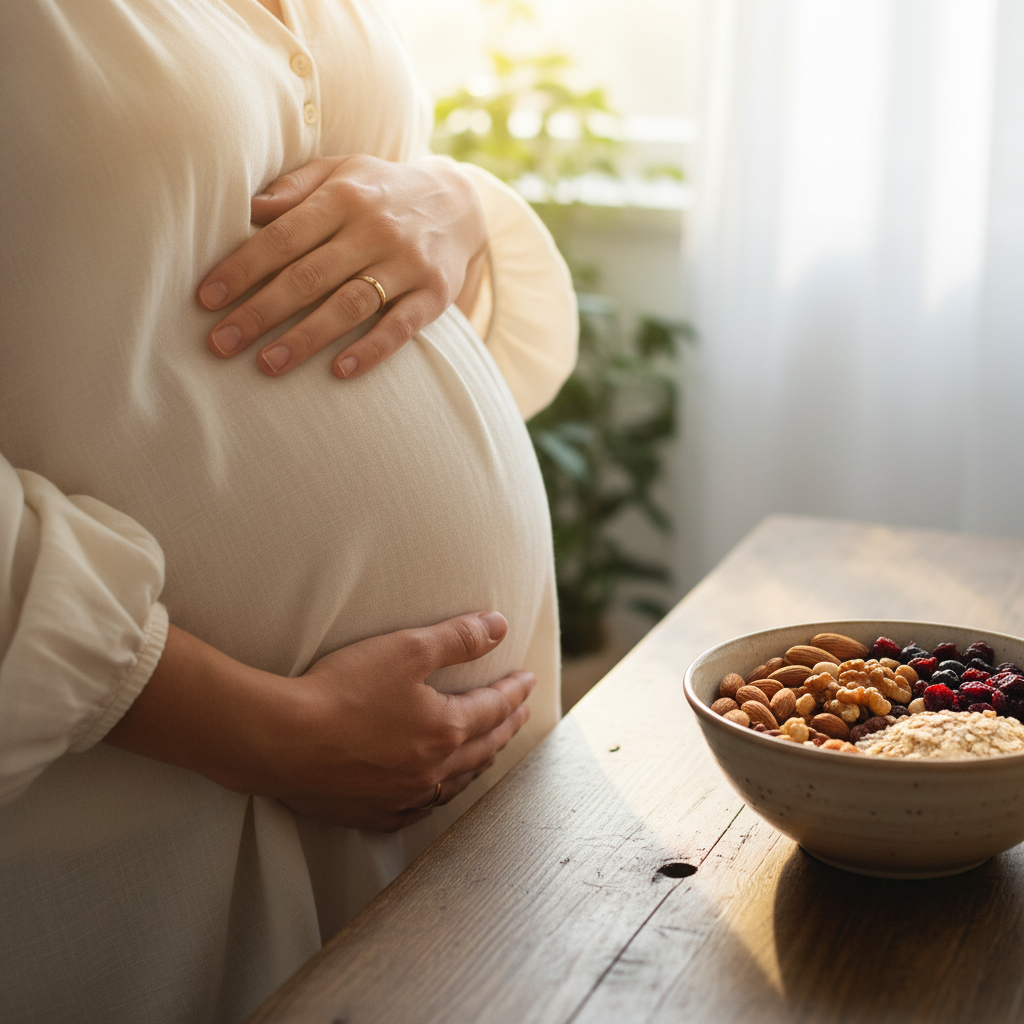
Your diet during pregnancy provides the essential nutrients your baby needs to develop properly. According to research from the American College of Obstetricians and Gynecologists, maternal nutrition directly influences fetal growth, birth weight, and even your child’s risk for certain chronic diseases later in life. The food you consume gets broken down into components that cross the placenta, fueling your baby’s development and helping form vital organs and systems.
The concept of “developmental programming” shows how your nutritional choices now can influence your baby’s metabolic health for decades. Studies like the Dutch Famine Birth Cohort have demonstrated that babies whose mothers experienced malnutrition during pregnancy had higher rates of obesity, heart disease, and diabetes as adults. This research highlights the powerful connection between what you eat today and your child’s future health outcomes.
Understanding Changes: Eating for Two? Understanding Your Pregnancy Nutrition Needs
The old advice to “eat for two” during pregnancy has been replaced with more precise guidance based on current research. During the second trimester, you only need approximately 340 extra calories daily – roughly equivalent to a glass of milk and half a sandwich. This increases to about 450 additional calories in the third trimester as your baby’s growth accelerates.
What matters most isn’t just calorie count but nutrient density. Your body becomes more efficient at absorbing certain nutrients during pregnancy, but your needs for protein, iron, folate, calcium, and omega-3 fatty acids increase significantly. During pregnancy, your blood volume increases by nearly 50%, requiring more iron to support this expansion and prevent anemia. Fad diets or severe calorie restriction during pregnancy can deprive your baby of critical nutrients during key developmental windows, potentially affecting their growth and long-term health outcomes.
Your Body & Baby: The First Trimester – Why Early Nutrition Matters Most
The first trimester represents a critical window for your baby’s development, even though your pregnancy may not yet be visible. During these early weeks, all major organs begin to form, with the neural tube closing by week 6 and the heart developing its chambers by week 8. This intensive development period requires optimal nutrition, particularly folate to prevent neural tube defects. According to the Centers for Disease Control and Prevention, adequate folate intake before and during early pregnancy can reduce neural tube defects by up to 70%.
Many women experience food aversions and nausea during the 2nd month pregnancy, which can make maintaining good nutrition challenging. If morning sickness affects your ability to eat well, focus on small, frequent meals and foods you can tolerate. Even with challenging symptoms, prioritizing nutrient-dense options when possible gives your baby the best start. Prenatal vitamins help fill nutritional gaps during this critical period, but they complement rather than replace a balanced diet.
Your Body & Baby: Building Your Pregnancy Plate – What to Eat (and Why)
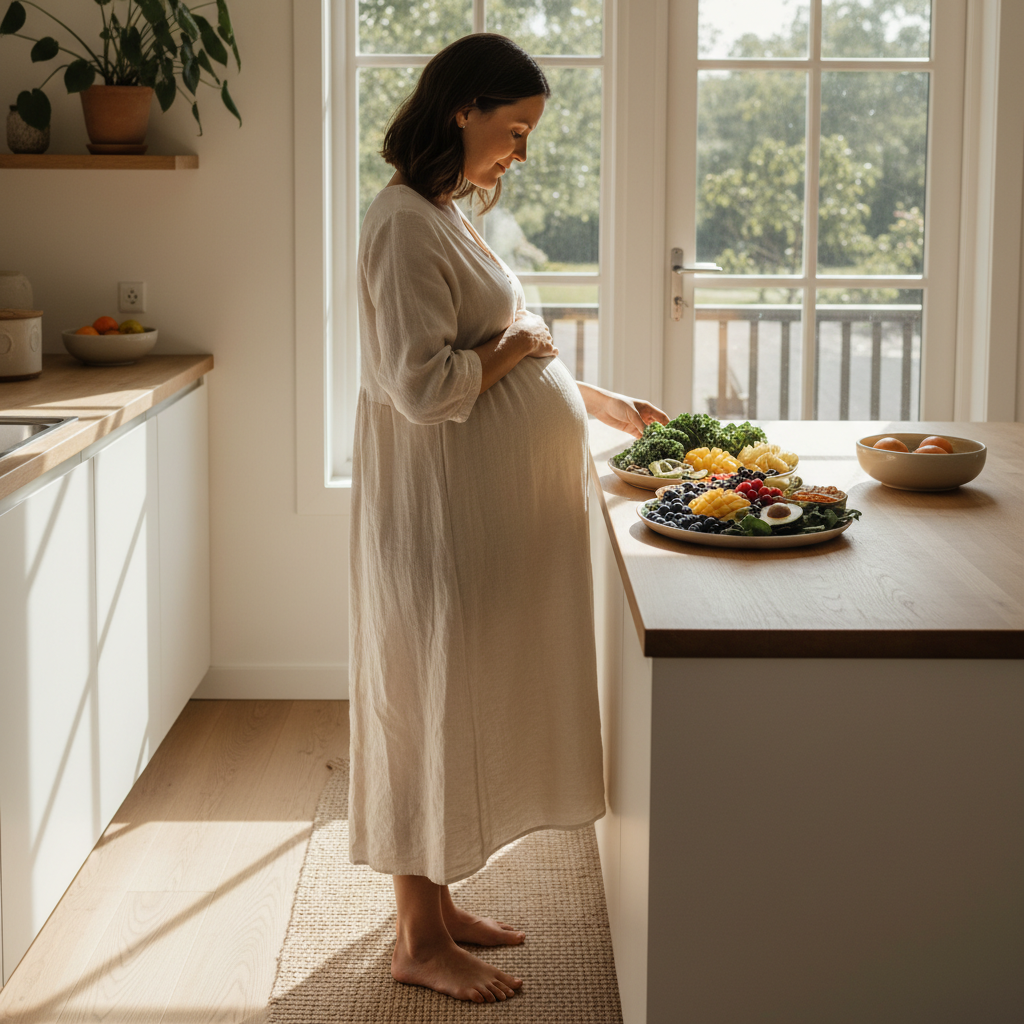
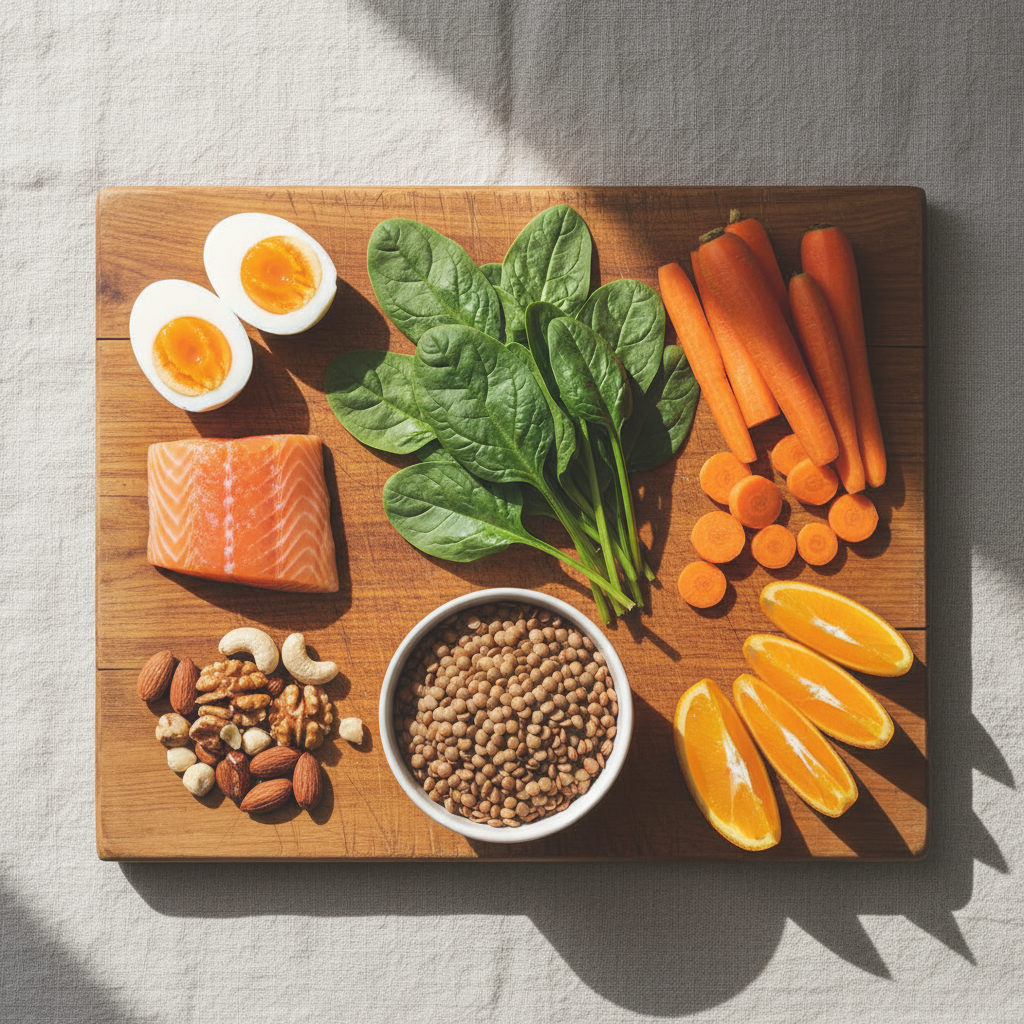
Creating a balanced pregnancy plate supports both your baby’s growth and your own health. Focus on incorporating foods rich in key nutrients that support your baby’s development while keeping you energized. Colorful fruits and vegetables provide vitamins, minerals, and antioxidants that protect cells from damage and support immune function during pregnancy.
Lean proteins from sources like chicken, fish, beans, and tofu supply the amino acids needed for your baby’s tissue growth and your increased blood volume. Whole grains and complex carbohydrates provide sustained energy and essential B vitamins, while healthy fats from avocados, nuts, and olive oil support your baby’s brain development, especially during the rapid growth of the second trimester. Dairy products or fortified alternatives offer calcium and vitamin D necessary for developing your baby’s skeletal system. According to the Academy of Nutrition and Dietetics, omega-3 fatty acids from sources like salmon and walnuts are particularly important for your baby’s brain and eye development.
Healthy Living Tips: Foods to Limit During Pregnancy
While focusing on what to include in your diet, certain foods deserve caution during pregnancy. Highly processed foods containing refined sugars and unhealthy fats can contribute to excessive weight gain and may increase risk factors for pregnancy headaches second trimester and other uncomfortable symptoms. Research published in the American Journal of Clinical Nutrition suggests that diets high in processed foods may also contribute to pregnancy complications like gestational diabetes.
Raw or undercooked animal products carry risks of foodborne illness that can be more serious during pregnancy. Limit caffeine to 200mg daily (about one 12oz coffee) as higher amounts have been associated with reduced birth weight. Mercury-containing fish like shark, swordfish, king mackerel, and tilefish should be avoided, while lower-mercury options like salmon and trout can be safely enjoyed twice weekly. When food cravings strike, try satisfying them with nutrient-dense alternatives – Greek yogurt with honey instead of ice cream, or baked sweet potato fries rather than fast food versions.
Healthy Living Tips: Simple Steps to Improve Your Pregnancy Diet Today
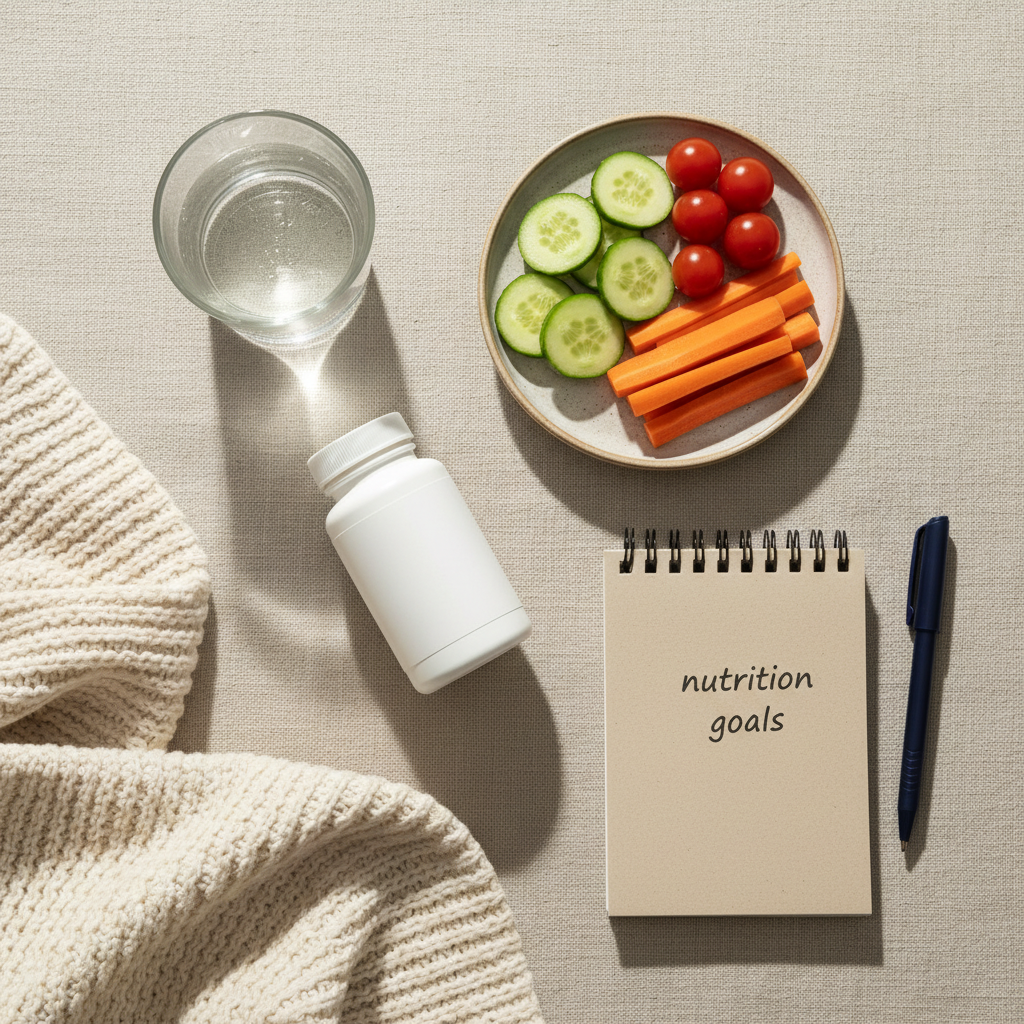
Small dietary improvements can have significant benefits for your baby’s development at any stage of pregnancy. Start by adding one additional serving of vegetables and fruits daily to increase your nutrient intake without feeling overwhelmed by major diet changes. Keeping a food journal for a few days can help you identify patterns and areas where simple improvements might have the biggest impact.
Meal preparation can help maintain good nutrition even during busy weeks or when prenatal vitamins aren’t enough to fill all nutritional needs. Stock your kitchen with easy, healthy options like pre-cut vegetables, yogurt, nuts, and fruit so nutritious choices are readily available. Staying well-hydrated supports your increased blood volume and can help manage common pregnancy discomforts like constipation. Aim for about 8-10 cups of fluids daily, primarily from water. If plain water is unappealing, try adding cucumber slices, berries, or a splash of juice for natural flavor.
The Lasting Impact of Pregnancy Nutrition
The nutrients you provide your growing baby today lay the foundation for their health tomorrow and beyond. Your dietary choices during pregnancy represent a powerful opportunity to positively influence your child’s development and long-term wellbeing. Remember that perfection isn’t required—consistent, reasonable efforts to eat well during pregnancy can make a meaningful difference in your baby’s growth and development.
Sources
American College of Obstetricians and Gynecologists – Nutrition During Pregnancy
Centers for Disease Control and Prevention – Folic Acid Recommendations
Academy of Nutrition and Dietetics – Eating Right During Pregnancy
American Journal of Clinical Nutrition – Ultra-processed Food Consumption and Pregnancy