

Healthy Weight Gain During Pregnancy
Weight gain during pregnancy is a natural and necessary process that supports your baby’s development and your changing body. Understanding healthy weight gain patterns can help ensure the best outcomes for both you and your baby as you progress through each stage of pregnancy.
Key Highlights
Here’s what you need to know about healthy pregnancy weight gain:
- Weight gain recommendations vary based on your pre-pregnancy BMI
- Most women need about 340 extra calories daily during the second trimester
- Both insufficient and excessive weight gain can impact pregnancy outcomes
- Regular monitoring with your healthcare provider helps ensure you’re on track
- Healthy eating and appropriate exercise support optimal weight gain
Understanding Changes: Why Pregnancy Weight Gain Matters

Healthy weight gain during pregnancy is essential for your baby’s development and your overall health. The weight you gain isn’t just baby weight—it includes the placenta, amniotic fluid, increased blood volume, breast tissue, and fat stores that will help support breastfeeding after delivery. According to the American College of Obstetricians and Gynecologists, appropriate weight gain helps reduce the risk of complications such as gestational diabetes, high blood pressure, and delivery difficulties.
Tracking your weight gain becomes especially important during the 2nd trimester when your baby begins to grow more rapidly. During this period, your body needs additional nutrients and energy to support this growth spurt. Women who gain too little weight may have babies with low birth weight, while those who gain too much face increased risks of cesarean delivery and babies with higher birth weights, which can lead to delivery complications and future health concerns.
Understanding Changes: Recommended Weight Gain Guidelines
Weight gain recommendations aren’t one-size-fits-all—they’re based on your pre-pregnancy Body Mass Index (BMI). The Institute of Medicine provides these general guidelines: underweight women (BMI below 18.5) should gain 28-40 pounds; normal weight women (BMI 18.5-24.9) should gain 25-35 pounds; overweight women (BMI 25-29.9) should aim for 15-25 pounds; and obese women (BMI 30 or higher) should gain 11-20 pounds.
During pregnancy, weight gain usually follows a pattern—minimal gain in the first trimester (about 1-5 pounds), followed by steady gains of about a pound per week during the second trimester and third trimester. By the 2nd month pregnancy, you may notice minimal changes, but as you move into the second trimester, weight gain becomes more apparent. It’s important to remember that these are guidelines, and your healthcare provider might recommend different targets based on your individual health situation and pregnancy needs.
Your Body & Baby: Tracking Your Progress

Keeping track of your weight gain doesn’t have to be complicated. A simple weekly weigh-in at the same time of day, wearing similar clothing, can help you monitor your progress. Many women find that keeping a pregnancy journal or using a pregnancy app with weight tracking features helps them stay on target. Remember that day-to-day fluctuations are normal—it’s the overall trend that matters most.
If you experience pregnancy headaches second trimester or other discomforts, don’t let that deter you from maintaining healthy habits that support appropriate weight gain. During prenatal visits, your healthcare provider will measure and record your weight gain. They can help interpret your progress and make adjustments to your nutrition or exercise plan if needed. Open communication about your weight concerns with your provider creates a supportive environment for addressing any issues that arise.
Your Body & Baby: Where Does the Weight Go?
Understanding how pregnancy weight is distributed can help you appreciate the changes your body is experiencing. By full term, your baby typically weighs 7-8 pounds, while the placenta adds 1-2 pounds and amniotic fluid contributes another 2 pounds. Your uterus expands to about 2 pounds, and breast tissue increases by 1-2 pounds. Blood volume increases by about 4 pounds, and extra fluid retention accounts for 2-3 pounds.
The remaining weight (5-9 pounds on average) is stored as fat, which serves as an energy reserve for labor, delivery, and breastfeeding. This fat storage typically begins during the second trimester and continues through the remainder of your pregnancy. Your baby begins storing fat and gaining weight most rapidly during this period, which explains why your own weight gain accelerates during this time. These changes all serve important purposes in supporting a healthy pregnancy and preparing your body for birth and beyond.
Healthy Living Tips: Nutrition for Optimal Weight Gain
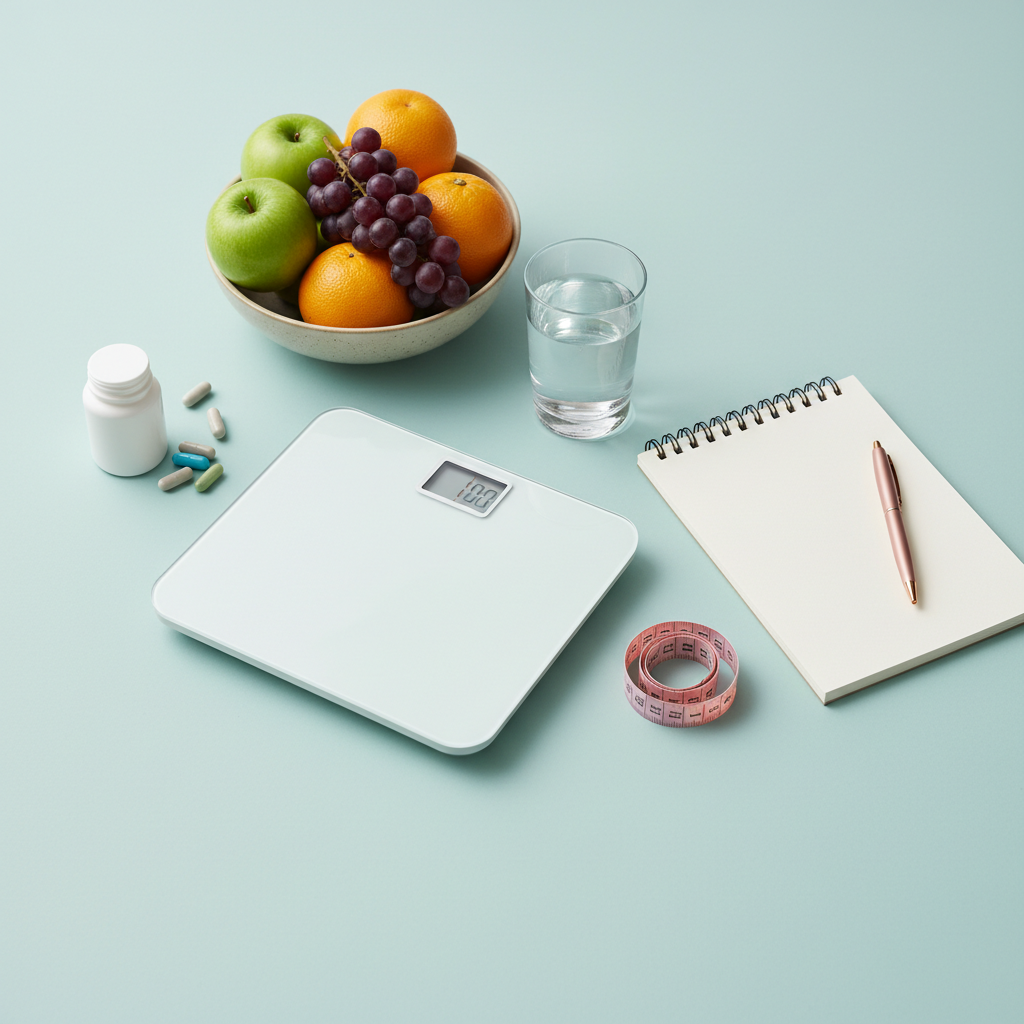
Proper nutrition supports healthy weight gain while providing essential nutrients for your baby’s development. During the second trimester, most women need approximately 340 additional calories daily (rising to about 450 extra calories in the third trimester). Focus on nutrient-dense foods rather than simply increasing calories—quality matters as much as quantity.
A balanced pregnancy diet includes plenty of fruits, vegetables, whole grains, lean proteins, and healthy fats. Aim to include a variety of colors on your plate to ensure you’re getting different nutrients. Iron-rich foods (like lean meats, lentils, and spinach) are especially important as your blood volume increases. Calcium sources such as dairy products or fortified plant alternatives support your baby’s developing bones. Staying well-hydrated is also crucial—aim for 8-10 cups of fluid daily, primarily from water. If you’re struggling with appetite or food aversions, especially in early pregnancy, try eating smaller, more frequent meals throughout the day.
Healthy Living Tips: Safe Exercise During Pregnancy
Regular physical activity during pregnancy supports healthy weight gain while providing numerous benefits for both you and your baby. The American College of Obstetricians and Gynecologists recommends at least 150 minutes of moderate exercise weekly for most pregnant women. Activities like walking, swimming, stationary cycling, and prenatal yoga are generally safe and beneficial.
Exercise helps manage weight gain, improves mood, reduces body image concerns, and may decrease the risk of gestational diabetes and preeclampsia. As your pregnancy progresses, you may need to modify your workouts to accommodate your changing body and center of gravity. Always listen to your body and avoid activities with a high risk of falling or abdominal trauma. Stay well-hydrated, avoid exercising in extreme heat, and stop if you experience dizziness, shortness of breath, chest pain, or any concerning symptoms. Remember that even light activity like walking can provide benefits—consistency is more important than intensity.
Embracing Your Changing Body
Healthy weight gain during pregnancy is a positive sign that your body is supporting your growing baby. Each woman’s pregnancy journey is unique, so focus on following your healthcare provider’s recommendations rather than comparing yourself to others. If you find yourself concerned about body changes, remember that these changes are temporary and serve an important purpose.
By prioritizing nutritious eating, appropriate physical activity, and regular prenatal care, you’re providing the best environment for your baby to develop. The weight gained during pregnancy typically begins to decrease after delivery, with more gradual changes continuing over the following months. Approach this time with patience and appreciation for the incredible work your body is doing to bring new life into the world.
Sources
- American College of Obstetricians and Gynecologists: Nutrition During Pregnancy
- Centers for Disease Control and Prevention: Pregnancy Weight Gain
- Mayo Clinic: Pregnancy Weight Gain: What’s Healthy?
- American College of Obstetricians and Gynecologists: Exercise During Pregnancy
- National Institute of Child Health and Human Development: Managing Healthy Weight During Pregnancy