
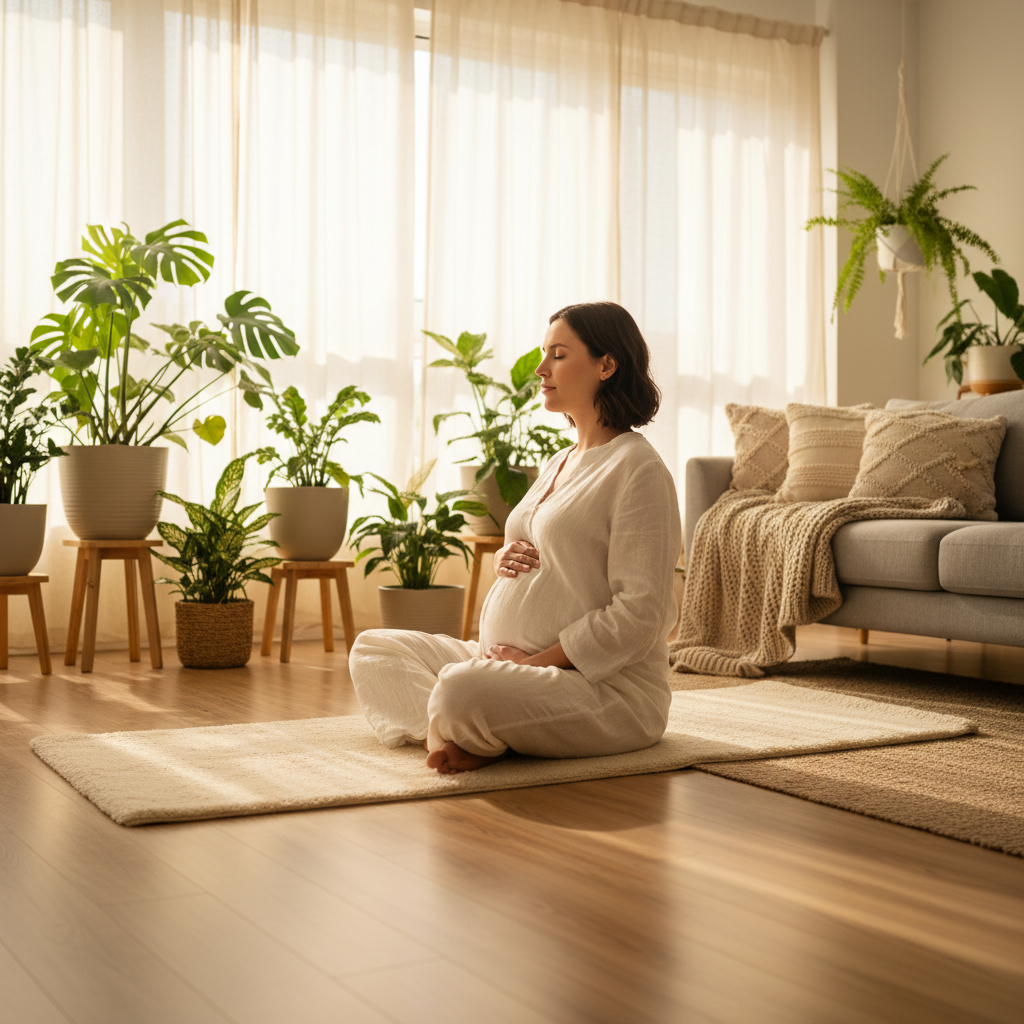
Meditation for Expecting Mothers: Finding Calm During Pregnancy
Pregnancy brings a unique blend of joy and challenges as your body and life transform in preparation for your baby’s arrival. Around 40% of expecting mothers experience anxiety during pregnancy, making stress management techniques like meditation particularly valuable during this special time.
Key Highlights
Here’s what you need to know about meditation during pregnancy:
- Meditation can reduce stress hormones that might affect both you and your baby
- Regular practice has been linked to improved maternal mental health and better birth outcomes
- Just 5-10 minutes daily can provide significant benefits
- Simple breathing techniques work well even for beginners
- Mindfulness skills learned during pregnancy can help with labor and early parenting
Understanding Changes: Stress and Pregnancy

During the second trimester, many women experience a mix of emotions ranging from excitement to worry about the upcoming birth and motherhood. Your body releases stress hormones like cortisol when you’re anxious, which can cross the placental barrier and reach your developing baby. This biological connection means that finding effective ways to manage stress isn’t just good for your wellbeing—it directly benefits your baby too.
Research from the Journal of Obstetrics and Gynecology shows that chronic stress during pregnancy may influence your baby’s stress response system and potentially impact their development. The good news is that mindfulness meditation offers a simple yet effective way to reduce these stress hormones. Many expectant mothers find that managing stress triggers during the second trimester becomes more manageable with regular meditation practice.
Understanding Changes: The Science Behind Meditation Benefits
The research supporting meditation during pregnancy is compelling. Studies published in the Journal of Affective Disorders have shown that regular meditation can reduce anxiety symptoms by up to 30% in pregnant women. These benefits are particularly noticeable during the 2nd trimester when many women have adjusted to the initial shock of pregnancy but may be starting to worry about labor and delivery.
Meditation works by activating your parasympathetic nervous system—often called the “rest and digest” response—which counteracts the stress response. When practiced regularly, meditation can lower blood pressure, reduce muscle tension, and improve sleep quality—all valuable benefits during pregnancy. The American College of Obstetricians and Gynecologists recognizes mindfulness practices as helpful complementary approaches for managing pregnancy-related stress and anxiety.
Your Body & Baby: How Meditation Affects Your Pregnancy

The benefits of meditation extend beyond immediate stress relief. During pregnancy, especially in the 2nd month pregnancy and beyond, meditation helps increase awareness of your changing body and growing baby. This heightened awareness can strengthen the maternal-fetal bond, which psychologists recognize as important for both maternal well-being and infant development.
Women who meditate regularly during pregnancy often report fewer physical discomforts. Some studies suggest that mindfulness practices may help reduce the intensity of pregnancy headaches second trimester symptoms and other common discomforts. The practice of focusing on your breath and body sensations helps you notice tension patterns and release them before they escalate into pain. Many women find that breathing techniques help during the second trimester with various physical symptoms.
Your Body & Baby: Preparation for Birth and Beyond
As your pregnancy progresses, meditation becomes a valuable tool for birth preparation. Women who develop a regular practice often approach labor with greater confidence and less fear. Mindfulness techniques teach you to stay present with sensations rather than resist them—a skill that proves incredibly valuable during contractions.
Research published in BMC Pregnancy and Childbirth found that women who participated in mindfulness programs reported feeling more prepared for childbirth and experienced lower levels of fear. These techniques also help with managing childbirth anxiety, which commonly intensifies during the later months. Learning to observe thoughts without judgment allows you to recognize when fears are based on worst-case scenarios rather than reality, helping you manage childbirth anxiety in the second trimester more effectively.
Healthy Living Tips: Simple Meditation Practices to Start Today

Starting a meditation practice doesn’t require special equipment or extensive training. Begin with just 5 minutes daily, gradually building up as you become more comfortable. Find a quiet space where you can sit or lie comfortably—side-lying positions often work well as pregnancy advances.
Try these beginner-friendly practices:
- Breath awareness: Simply observe your natural breathing pattern without trying to change it
- Body scan: Mentally move through your body, noticing sensations without judgment
- Loving-kindness meditation: Direct positive wishes toward yourself and your baby
- Guided meditation: Use pregnancy-specific audio guides (many free options are available online)
- Walking meditation: Practice mindfulness while moving, particularly helpful during the second trimester
Healthy Living Tips: Making Meditation a Sustainable Practice
Consistency matters more than duration when it comes to meditation benefits. Rather than aiming for lengthy sessions, focus on establishing a regular habit that fits into your daily life. Many expectant mothers find success by attaching meditation to existing routines—perhaps first thing in the morning, during a lunch break, or before bed.
Remember that meditation isn’t about emptying your mind completely; it’s about observing thoughts without getting caught up in them. When you notice your mind wandering (which happens to everyone), gently bring your attention back to your breath or body. Pregnancy hormones can affect concentration, so be patient with yourself. Some women find that joining pregnancy meditation groups provides accountability and community support, making the practice more enjoyable and sustainable.
Finding Your Calm: A Gift for Both Mother and Baby
The journey through pregnancy brings countless changes and challenges, making self-care practices like meditation particularly valuable. By taking just a few minutes each day to connect with your breath and body, you’re not only reducing your own stress but potentially supporting your baby’s development in positive ways.
Remember that meditation is a practice, not a perfection. Some days will feel easier than others, and that’s completely normal. The simple act of returning to your practice, again and again, builds resilience that serves you well during pregnancy and into motherhood.
Sources
American College of Obstetricians and Gynecologists: Reducing Stress During Pregnancy
Journal of Obstetrics and Gynecology: Prenatal stress and child development
Harvard Health Publishing: Using relaxation techniques during pregnancy