

Creating a Sustainable Second Trimester Fitness Plan
The second trimester often brings welcome relief from early pregnancy symptoms, creating an ideal window for establishing or maintaining a fitness routine. This “honeymoon phase” of pregnancy typically offers improved energy levels and physical comfort, making it the perfect time to develop sustainable exercise habits that can benefit both you and your baby.
Key Highlights
Here’s what makes the second trimester ideal for fitness:
- Improved energy and reduced morning sickness compared to the first trimester
- Your body is still manageable before third trimester challenges begin
- Regular exercise can help prepare your body for labor and delivery
- Physical activity may help reduce common discomforts like pregnancy headaches
- A consistent routine now sets the foundation for postpartum recovery
Understanding Changes: The Second Trimester Advantage
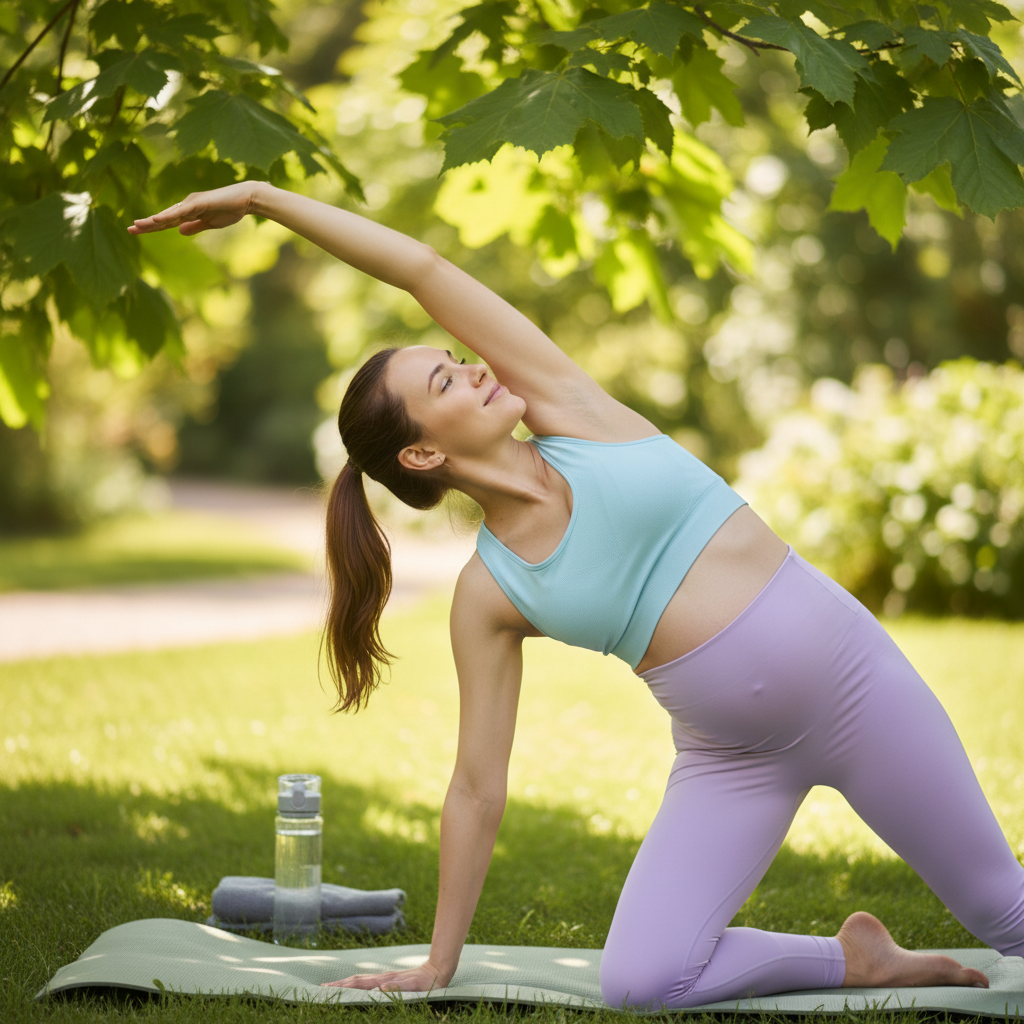
The second trimester, spanning weeks 13 through 27, often brings a welcome surge in energy after the fatigue of early pregnancy. Many women find that nausea subsides, and they begin to feel more like themselves again. This natural energy boost creates an ideal opportunity to establish or enhance your fitness routine before the physical limitations of late pregnancy begin.
Research from the American College of Obstetricians and Gynecologists indicates that maintaining regular physical activity during pregnancy can reduce backaches, constipation, bloating, and swelling. It also helps prevent or manage gestational diabetes, improves mood, promotes healthy weight gain, and enhances stamina and muscle strength—qualities that will serve you well during labor and delivery. The physiological advantages of exercise during this period extend beyond pregnancy itself, potentially contributing to faster postpartum recovery.
Understanding Changes: Respecting Your Evolving Body
As your pregnancy progresses, your body undergoes significant changes that directly impact your exercise capabilities. The hormone relaxin increases during pregnancy, causing ligaments to become more flexible—particularly in the pelvic region to prepare for childbirth. While this increased joint mobility is necessary for pregnancy, it also means you’ll need to be more careful not to overstretch during workouts.
Your growing belly shifts your center of gravity, which can affect balance and requires modifications to traditional exercise positions. After 20 weeks, lying flat on your back for extended periods may lead to supine hypotensive syndrome, where the weight of your uterus compresses major blood vessels, potentially reducing blood flow to both you and your baby. Being aware of these changes doesn’t mean limiting activity—rather, it means adapting your workouts safely to accommodate your changing body while maintaining fitness.
Your Body & Baby: Cardiovascular Fitness
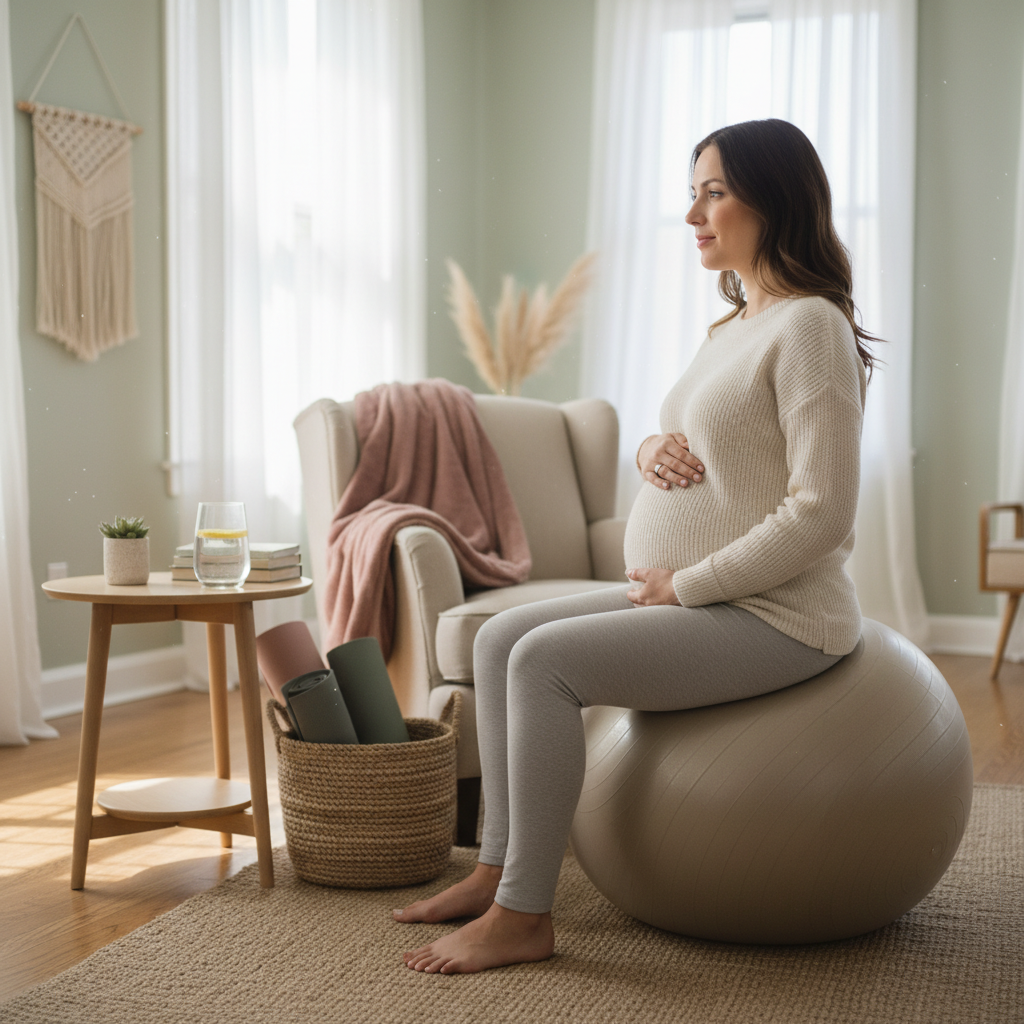
The Centers for Disease Control and Prevention recommends that pregnant women get at least 150 minutes of moderate-intensity aerobic activity each week. During the 2nd trimester, activities like walking, swimming, and stationary cycling provide excellent cardiovascular benefits without putting excessive strain on your joints. The ideal intensity allows you to maintain a conversation while exercising—the “talk test” is a simple yet effective way to ensure you’re not overexerting yourself.
Water-based exercises deserve special mention for second trimester fitness. Swimming and water aerobics provide natural resistance while supporting your growing belly and relieving pressure on your joints. The buoyancy of water can be particularly refreshing as your pregnancy progresses. Many women also find that low-impact cardio workouts help reduce common discomforts like pregnancy headaches by improving circulation and releasing endorphins—your body’s natural pain relievers.
Your Body & Baby: Building Supportive Strength
Strength training during pregnancy isn’t about achieving personal records—it’s about functional fitness that supports your changing body. Focus on exercises that strengthen your core, back, and pelvic floor, as these muscle groups bear much of the physical strain of pregnancy. Modified planks, pelvic tilts, and supervised Kegel exercises can help maintain stability and prevent common discomforts as your pregnancy advances.
When incorporating weights into your routine, lighter weights with more repetitions are generally safer than heavy lifting. Always maintain proper form and breathing techniques—exhale during exertion and avoid holding your breath, which can temporarily raise blood pressure. If you’re new to strength training, the 2nd month pregnancy (which falls in the first trimester) may be too early to begin, making the second trimester an ideal time to start under professional guidance. As your pregnancy progresses, you’ll need to modify exercises that require lying on your back or stomach, but many movements can be adapted using an exercise ball or by changing positions.
Healthy Living Tips: Nutrition and Hydration
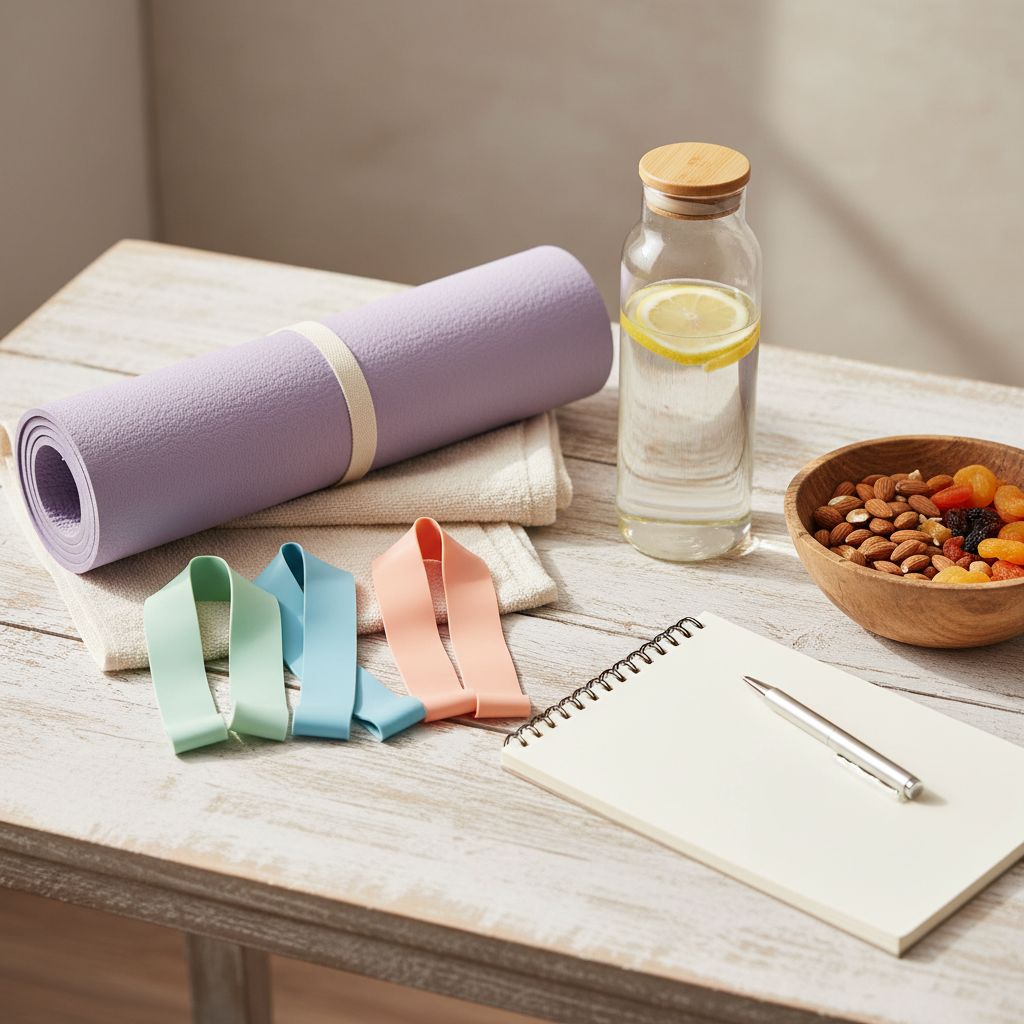
Proper nutrition becomes even more critical when you’re both pregnant and physically active. Your body needs additional calories to support your baby’s growth and your exercise routine. According to the Academy of Nutrition and Dietetics, most women need approximately 340 extra calories daily during the second trimester. Focus on nutrient-dense foods rather than empty calories, ensuring adequate protein intake to support muscle maintenance and repair.
Hydration deserves special attention when exercising during pregnancy. Dehydration can contribute to overheating and may even trigger contractions. Aim to drink water before, during, and after exercise, regardless of whether you feel thirsty. A good strategy is to have a water bottle with you at all times and take regular sips throughout your workout. For longer exercise sessions, consider beverages that replace electrolytes, but avoid those high in sugar or caffeine. Many women find that proper hydration can help minimize pregnancy headaches in the second trimester—a common complaint that can interfere with workout consistency.
Healthy Living Tips: Creating Sustainable Routines
The key to second trimester fitness is consistency rather than intensity. Establishing a realistic routine that fits into your life increases the likelihood you’ll maintain it throughout your pregnancy. Instead of aiming for lengthy workout sessions, consider breaking exercise into 10-15 minute segments throughout the day if that better suits your energy levels and schedule.
Always begin with a proper warm-up and end with a cool-down to prepare your muscles and joints for activity and recovery. Pay close attention to how your body responds to exercise and be ready to adapt your routine as your pregnancy progresses. Warning signs to stop activity include dizziness, shortness of breath, chest pain, headache, muscle weakness, calf pain or swelling, vaginal bleeding, decreased fetal movement, or fluid leaking from the vagina. While these cautions are important, most women can safely continue modified exercise throughout pregnancy with their healthcare provider’s approval.
Making the Most of Your Second Trimester Fitness Journey
The habits you establish during this relatively comfortable phase of pregnancy can set the stage for continued wellness throughout your pregnancy journey and beyond. By respecting your body’s changes while remaining active, you’re not only supporting your own health but potentially contributing to your baby’s development and easing your eventual recovery after birth. Remember that fitness during pregnancy isn’t about maintaining pre-pregnancy performance levels—it’s about nurturing your changing body while preparing for the important work of bringing new life into the world.
Sources
American College of Obstetricians and Gynecologists – Exercise During Pregnancy
Centers for Disease Control and Prevention – Physical Activity During Pregnancy and Postpartum
Academy of Nutrition and Dietetics – Healthy Weight During Pregnancy