
Creating a Sustainable Second Trimester Fitness Plan
The second trimester often brings a welcome surge in energy and relief from early pregnancy symptoms, creating an ideal window for establishing a consistent exercise routine. This “honeymoon phase” of pregnancy offers a unique opportunity to build healthy fitness habits that can support your changing body and prepare you for the later stages of your pregnancy journey.
Key Highlights
Here’s what you need to know about exercising during weeks 13-27:
- The second trimester typically brings improved energy levels and fewer physical limitations
- Regular physical activity can help manage common pregnancy discomforts and prepare your body for labor
- Current guidelines recommend 150 minutes of moderate-intensity activity weekly for most pregnant women
- Listening to your body becomes increasingly important as your pregnancy progresses
- Both aerobic exercise and strength training offer significant benefits when properly modified
Why the Second Trimester is Perfect for Fitness
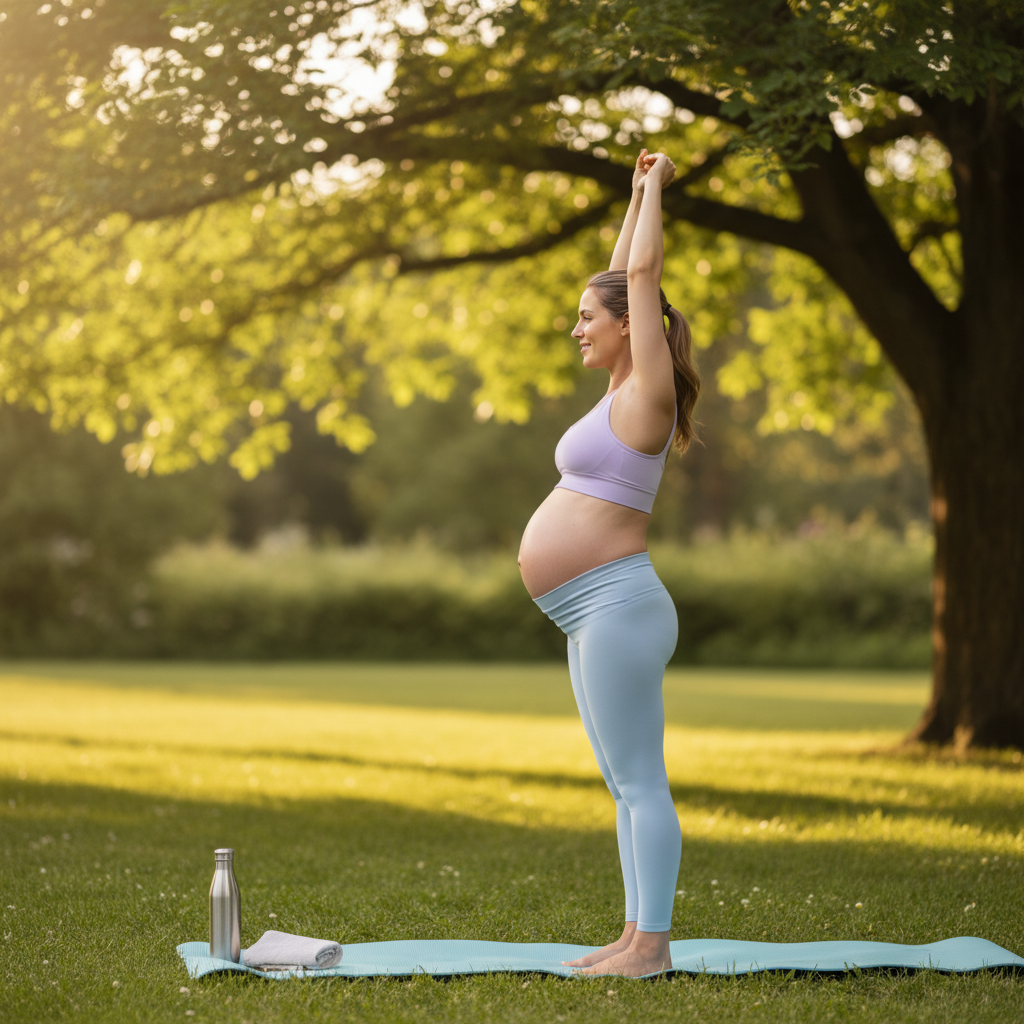
The second trimester brings a sweet spot in your pregnancy journey when many of the challenging early symptoms begin to subside. Morning sickness typically decreases, extreme fatigue often lifts, and your energy levels naturally rise, creating an ideal opportunity to establish or maintain a fitness routine. Your body is still relatively manageable during this period, as you haven’t yet reached the size and physical limitations that can come with the third trimester.
Exercise during this phase offers numerous benefits, including improved mood, better sleep quality, reduced pregnancy discomfort, and potential easier labor and recovery. According to the American College of Obstetricians and Gynecologists (ACOG), women who maintain regular physical activity during pregnancy experience fewer interventions during delivery and recover more quickly postpartum. This middle phase of pregnancy allows you to build strength and endurance gradually, creating habits that can carry you through the remainder of your pregnancy and beyond.
Understanding Your Changing Body
As your pregnancy advances, your body undergoes several physiological changes that impact how you exercise. Hormonal shifts, particularly increased relaxin production, create greater joint mobility and ligament flexibility. While this helps prepare your body for childbirth, it also increases the risk of overextension and injury during workouts, making controlled movements essential.
Your growing baby bump begins to shift your center of gravity forward, which can affect your balance and stability during certain exercises. This changing weight distribution means you’ll need to be particularly mindful during activities requiring balance or when transitioning between positions. After the 20-week mark, you should generally avoid exercises that require lying flat on your back for extended periods, as the weight of your uterus can compress major blood vessels, potentially reducing blood flow to you and your baby.
Safe and Effective Aerobic Activities

The current recommendation for most pregnant women is 150 minutes of moderate-intensity aerobic activity spread throughout the week. Low-impact cardio workouts are particularly beneficial during this time, as they provide cardiovascular benefits while minimizing strain on your joints. Swimming and water aerobics offer excellent full-body workouts with the added benefit of buoyancy supporting your growing belly and reducing pressure on your joints.
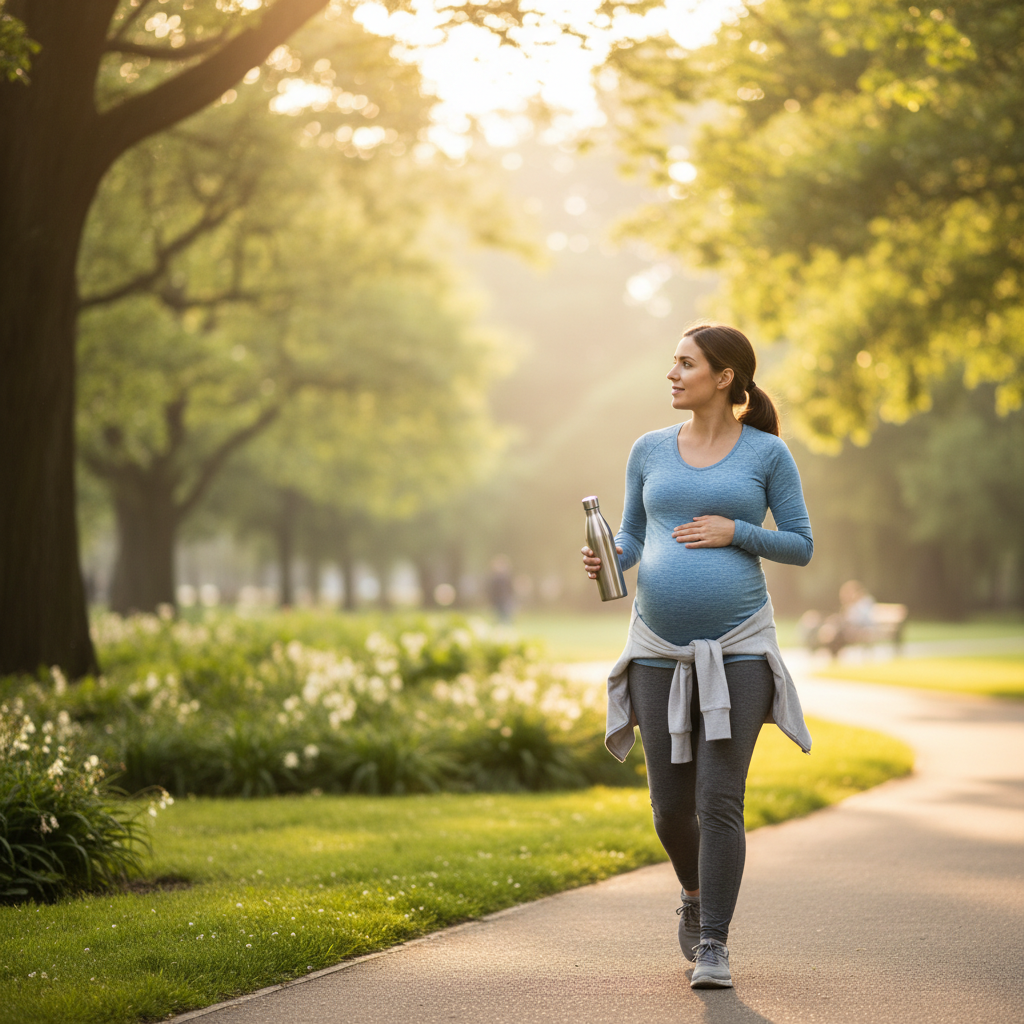
Walking remains one of the most accessible and effective forms of exercise during pregnancy. It requires minimal equipment, can be done almost anywhere, and can easily be adjusted to match your energy level each day. Stationary cycling provides another safe option that eliminates concerns about balance while still offering an effective cardiovascular workout. When exercising, use the “talk test” to monitor your intensity—you should be able to carry on a conversation while active, indicating you’re working at an appropriate level.
Strength Training for Pregnancy Support
Maintaining muscle strength during pregnancy helps support your changing body and can ease common discomforts as your baby grows. Focus on exercises that target the major muscle groups, with special attention to your core and pelvic floor. Pregnancy headaches in the second trimester can sometimes be reduced through proper posture and neck/shoulder strength, making upper body exercises particularly valuable.
When strength training, use lighter weights with more repetitions rather than heavy loads that require straining. Proper form becomes even more crucial during pregnancy to avoid injury, so consider working with a prenatal fitness specialist if possible. Safely modifying workouts as your pregnancy progresses is essential—exercises that felt comfortable in your first trimester may need adjustments as your baby grows. Include regular pelvic floor exercises (Kegels) throughout the day to strengthen these important muscles that support your pelvic organs and help with recovery after birth.
Nutrition to Fuel Your Active Pregnancy

Proper nutrition becomes increasingly important during the 2nd trimester as your caloric needs increase to support both your pregnancy and exercise routine. Most women need approximately 300-350 additional calories daily during this phase, with a focus on nutrient-dense foods rather than empty calories. Protein requirements also increase to support fetal development and maternal muscle maintenance, making lean protein sources an essential component of each meal.
Hydration deserves special attention when you’re physically active during pregnancy. Aim to drink water before, during, and after exercise sessions, with a general guideline of at least 8-10 cups of fluid daily. For pre-workout nutrition, choose easily digestible carbohydrates paired with a small amount of protein about 30-60 minutes before exercising. After your workout, replenish with a balanced snack containing both carbohydrates and protein to support recovery and maintain stable energy levels throughout the day.
Creating Your Sustainable Fitness Routine
Building consistency is the key to a successful pregnancy fitness plan. Rather than aiming for lengthy workouts, consider breaking activity into smaller, more manageable 10-15 minute sessions throughout the day. This approach can feel less daunting and may help manage energy fluctuations that can occur even during the 2nd month of pregnancy.
Incorporate movement naturally into your daily routine by taking the stairs when possible, parking farther from entrances, or adding short walks after meals. Warming up and cooling down safely should bookend every workout session to prepare your muscles and joints for activity and help prevent injury. Listen to your body’s signals each day and adjust your intensity accordingly—some days you may feel energetic while others might call for gentler movement. Remember that consistency matters more than intensity, and maintaining a regular routine of moderate activity offers more benefits than occasional intense workouts.
Investing in Your Pregnancy Journey
Developing a sustainable fitness routine during your second trimester is an investment in both your pregnancy experience and postpartum recovery. The habits you establish now can carry you through the physical challenges of late pregnancy and help you bounce back more quickly after delivery. Regular exercise isn’t just about physical health—it’s also a powerful tool for managing stress, improving sleep quality, and maintaining emotional well-being during this transformative time.
As you move forward with your fitness plans, remember to celebrate your body’s incredible ability to adapt and grow. Each workout represents a commitment to your health and your baby’s development, regardless of its length or intensity. By respecting your changing needs and limitations while still prioritizing regular movement, you’re creating a foundation of wellness that will support you throughout your pregnancy journey and beyond.
Sources
- American College of Obstetricians and Gynecologists – Exercise During Pregnancy
- Centers for Disease Control and Prevention – Physical Activity for Pregnant and Postpartum Women
- Mayo Clinic – Pregnancy and Exercise: Baby, Let’s Move!
- Medicine & Science in Sports & Exercise – Physical Activity and Exercise During Pregnancy