

Preparing Older Siblings for a New Baby
Welcoming a new baby during your second trimester means preparing your family for significant changes, especially when older siblings are involved. The transition from being an only child or the youngest to having a new baby in the family requires thoughtful preparation to help children navigate their complex emotions.
Key Highlights
Here’s what you need to know about helping your older children prepare for their new sibling:
- Children’s reactions to pregnancy news vary widely by age and temperament
- Timing your announcement appropriately based on your child’s age creates better understanding
- Reading books, role-playing, and involving siblings in preparations builds positive anticipation
- Planning the first meeting carefully helps establish positive initial connections
- Creating special one-on-one time helps older siblings feel secure in their place in the family
Understanding Your Child’s Emotions

As you move through your second trimester, your growing belly makes the reality of a new family member increasingly apparent to your older children. Your child’s emotional response may include excitement, curiosity, anxiety, or even jealousy—all of which are completely normal reactions. Children under 2 typically don’t fully grasp the concept, while preschoolers may worry about their place in the family, and school-age children often have more practical questions about how family dynamics will change.
It’s important to recognize that feelings like fear, loss, anger, and resentment don’t reflect poor parenting but are natural evolutionary responses. According to child development experts at the American Academy of Pediatrics, sibling rivalry has deep roots in children’s need for parental attention and resources. Validating these emotions rather than dismissing them helps children feel heard and understood, making it easier for them to process their feelings in healthy ways.
When and How to Share Your Pregnancy News
Timing your pregnancy announcement appropriately can significantly impact how your child processes this major family change. For children under 4, waiting until your pregnancy is visible (typically during the second trimester) provides them with concrete evidence that helps make the abstract concept more understandable. Older children can generally handle the news earlier, though they’ll still benefit from regular conversations as your pregnancy progresses.
When sharing the news, use age-appropriate language that your child can easily understand. For toddlers, simple statements work best: “Mommy has a baby growing in her tummy. In a few months, you’ll have a little brother or sister.” Preschoolers might appreciate more detail about how the baby is growing, while school-age children often have more specific questions about pregnancy and birth. Remember that children process information differently than adults—they may initially show little reaction but return with questions days or weeks later.
Practical Preparation Activities

Engaging in hands-on activities can help make the concept of a new baby more tangible for children. Reading age-appropriate books about pregnancy, birth, and new siblings gives children a framework for understanding what’s happening in your family. Popular titles include “I’m a Big Brother/Sister” by Joanna Cole and “The New Baby” by Mercer Mayer, which address common emotions siblings experience.
Role-playing with dolls offers a valuable opportunity for children to practice caregiving behaviors and express any concerns they might have. Let your child feed, diaper, and comfort a baby doll while you talk about what babies need. You can also involve siblings during the second trimester by inviting them to help prepare the nursery, select baby clothes, or even attend an ultrasound appointment if appropriate. These collaborative activities help children feel included and important in the family’s preparation process.
Addressing Common Questions and Concerns
Children often have questions about pregnancy and babies that may catch parents off guard. They might wonder about how the baby got in your tummy, how it will come out, or whether they once lived in your tummy too. Providing honest but developmentally appropriate answers builds trust and satisfies curiosity without overwhelming them with unnecessary details.
For example, if a preschooler asks how the baby will come out, you might say, “When the baby is ready to be born, I’ll go to the hospital where doctors and nurses will help the baby come out.” For older children who want more specific information, consider using age-appropriate books that explain pregnancy headaches during second trimester and other physical changes you’re experiencing. Remember that it’s perfectly acceptable to say, “That’s a great question. Let me think about how to explain it best,” if you need time to formulate an appropriate response.
Managing the Hospital Stay and First Introduction
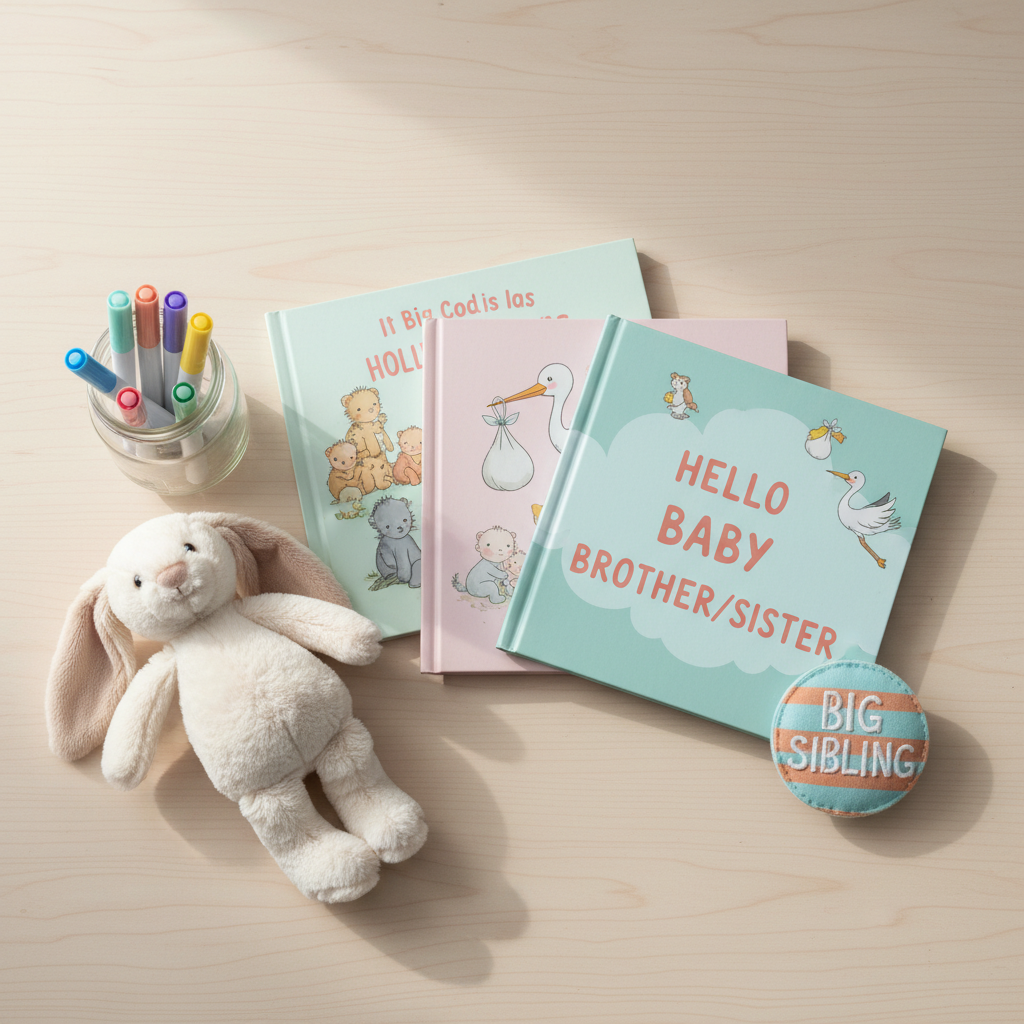
Preparing your child for your hospital stay during birth helps reduce anxiety about temporary separation. Explain who will care for them while you’re away, how long you’ll likely be gone, and how they can communicate with you. Some families create a special “big sibling box” with new activities and treats to enjoy during this time, making the separation feel more like a special occasion than an abandonment.
Planning the first meeting between siblings requires thoughtful consideration. Child psychologists recommend having the new baby in a neutral location (like a bassinet) rather than in your arms when your older child first visits, allowing you to greet your child with open arms and full attention. Consider exchanging gifts between siblings—perhaps a small present “from the baby” to the older sibling and something the older child selected for the baby. This ritual acknowledges the beginning of their relationship and gives the older child a positive association with their first meeting.
Navigating the Early Weeks at Home
The first few weeks with a newborn present challenges in balancing attention between your children. Creating dedicated one-on-one time with your older child, even if it’s just 15 minutes daily of undivided attention, helps maintain your connection during this adjustment period. Partners, grandparents, and other family members can provide invaluable support by focusing on the older child when you need to attend to the baby.
Regression behaviors—such as baby talk, bedwetting, or increased clinginess—are common as children adjust to their new family role. Rather than punishing these behaviors, recognize them as signs your child needs reassurance about their place in your heart. Child development experts note that children often test parents to verify they’re still loved amid the changes during the 2nd month of pregnancy and beyond. Praise your child’s mature behaviors while showing empathy for their struggles: “I notice you’re using your big kid voice again. I know it’s been different having the baby here, and I’m proud of how you’re adjusting.”
Building Lifelong Sibling Bonds
While the transition period may present challenges, your thoughtful preparation sets the foundation for a positive lifelong relationship between your children. Research from sibling relationship studies suggests that children who receive supportive guidance during this transition develop stronger bonds with their siblings over time. By acknowledging your older child’s feelings while gradually helping them embrace their new role, you’re teaching valuable emotional intelligence skills that benefit all relationships.
Remember that sibling relationships evolve continuously. The initial adjustment period represents just one chapter in what will hopefully become a meaningful lifelong connection. Many siblings who experience jealousy or resentment in early childhood develop close, supportive relationships as they mature. Your consistent love and attention, coupled with realistic expectations about this transition, give your children the best chance at forming the special bond that makes siblinghood so precious.
Conclusion
Preparing older siblings for a new baby requires patience, empathy, and intentional effort, but these investments yield tremendous rewards for your family’s long-term harmony. By understanding your child’s emotional needs, communicating effectively, and involving them in age-appropriate ways, you help them develop the resilience and relationship skills needed to welcome their new sibling with open arms. This thoughtful preparation doesn’t just ease the immediate transition—it lays groundwork for meaningful connections that can last a lifetime.
Sources
- American Academy of Pediatrics – Preparing Your Family for a New Baby
- Zero to Three – Getting Ready for a New Sibling
- Children’s Hospital of Philadelphia – Preparing Siblings for a New Baby
- Journal of Child Psychology – Sibling Relationships in Childhood
- Mayo Clinic – Preparing Siblings for a New Baby