
How Babies Respond to Light and Sound: What Parents Need to Know
Your baby’s sensory journey begins long before birth, with remarkable abilities to perceive both light and sound while still in the womb. During the second trimester, these developing senses create the foundation for how your little one will experience and interact with the world after birth.
Key Highlights
Here’s what you need to know about your baby’s developing sensory abilities:
- Babies can hear sounds from outside the womb starting around 18-24 weeks of pregnancy
- Fetuses can detect light through the maternal abdomen and show preferences for face-like patterns
- Newborns see best at 8-12 inches—exactly the distance to your face when holding them
- Your baby recognizes and prefers your voice over others from birth
- The gradual development of senses actually benefits long-term sensory processing
Understanding Early Sensory Development

By the middle of the 2nd trimester, your baby is already responding to sounds from the outside world. Research shows that fetuses can hear external sounds between 18 and 24 weeks of pregnancy, with their auditory system becoming increasingly sophisticated as pregnancy progresses. Your baby’s ears begin forming early in development, but it’s during this critical period that they become functional, allowing your little one to become familiar with your voice.
Studies have demonstrated that babies can even learn to recognize specific sounds before birth. According to research from the University of Helsinki, newborns show brain activity patterns indicating they recognize words and melodies they heard frequently in the womb. This early sound recognition helps explain why newborns are often calmed by familiar voices or songs they “heard” during pregnancy—they’ve already been listening to you for months!
Light Perception Before Birth
Remarkably, babies can also detect light while still in the womb. Research conducted at Lancaster University found that fetuses not only respond to light shining on the maternal abdomen but show preferences for certain patterns. When researchers projected moving light patterns resembling faces, fetuses were more likely to turn toward them compared to random patterns.
This sensitivity to light increases throughout the second trimester as your baby’s eyes develop more fully. While your baby’s eyelids remain fused until around 27 weeks, light can still penetrate through the thin skin of the eyelids and the uterine wall. This early light detection helps prepare the visual system for the much brighter world awaiting after birth, giving your baby a head start on visual processing.
Your Newborn’s Visual World
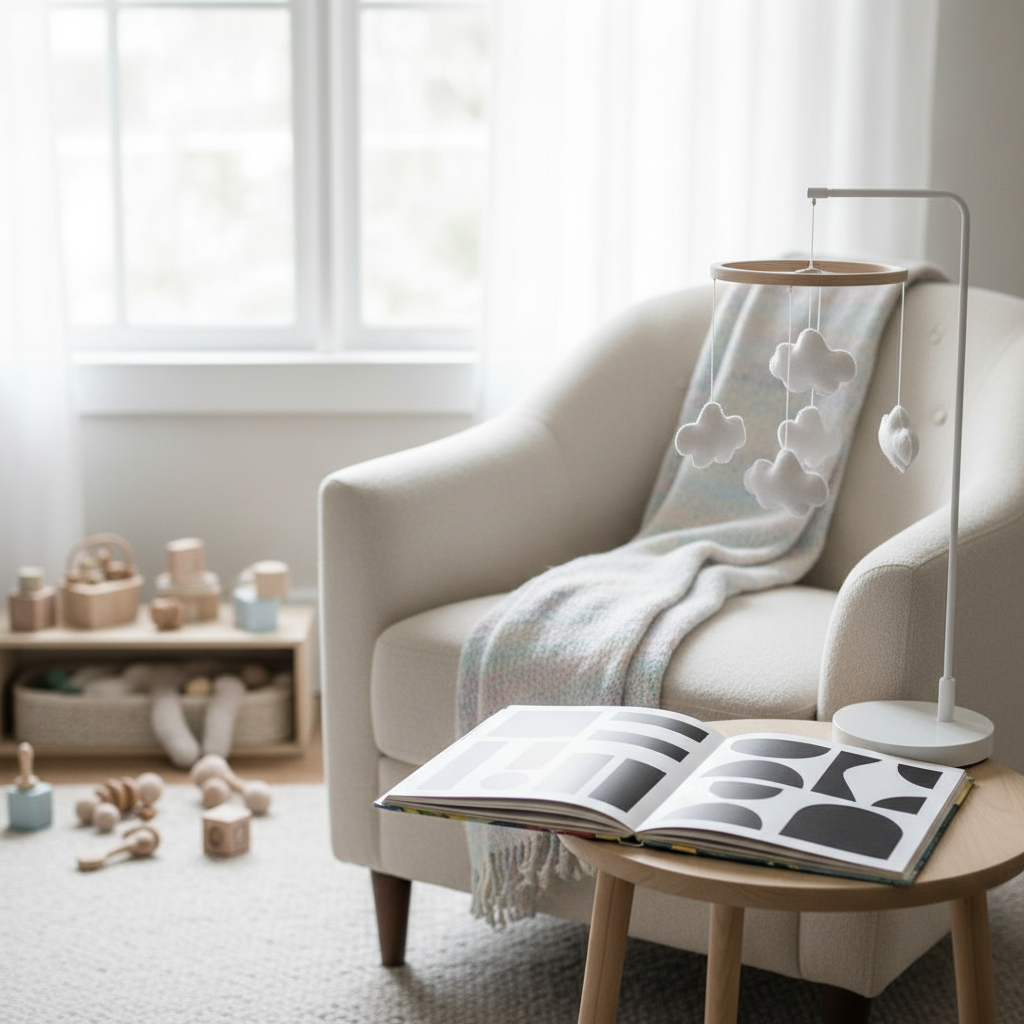
When babies first enter the world, their vision is quite limited—with acuity estimated at approximately 20/200 to 20/400, meaning they see at 20 feet what adults with normal vision see at 200-400 feet. This blurry vision is completely normal and actually serves an important developmental purpose. Your newborn sees best at a distance of just 8-12 inches—precisely the distance between your face and theirs during feeding or holding.
Newborns primarily see in black, white and gray with limited color perception that develops gradually over the first few months. High-contrast patterns like black and white stripes or checkerboards are particularly stimulating for newborn vision. This is why you’ll often see baby toys and books featuring bold, high-contrast designs—they’re specifically created to match what babies can actually see and process during early development.
Your Baby’s Sound Preferences
The auditory world of your baby is remarkably sophisticated from birth. Studies show newborns can distinguish their mother’s voice from other female voices immediately after birth—a skill developed during the pregnancy headaches second trimester period when hearing becomes more refined. This voice recognition helps facilitate the critical early bonding between parent and child.
Research from the University of California has demonstrated that babies are born with a preference for human speech over other sounds. They’re particularly attuned to the exaggerated, melodic speech patterns we naturally use when talking to infants—often called “motherese” or “parentese.” This sing-song way of speaking actually helps babies learn language faster by emphasizing the important sound patterns. Your baby is designed to tune into your voice, with their hearing especially sensitive to the pitch range of human speech.
Supporting Healthy Sensory Development
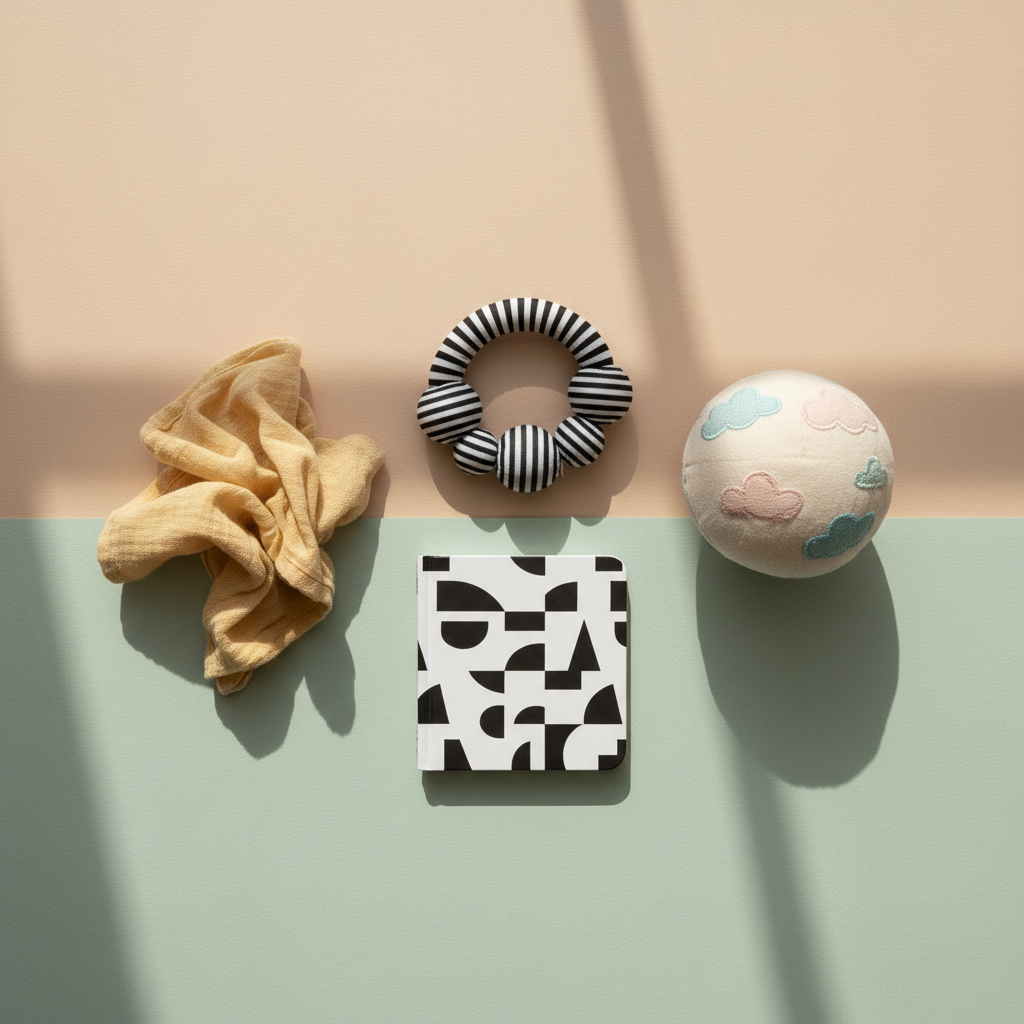
You can begin supporting your baby’s sensory development even during the 2nd month pregnancy and beyond. Talking, reading, and singing to your baby provides valuable auditory stimulation that helps prepare their brain for language development. These activities are especially beneficial during the second trimester when your baby’s hearing becomes functional.
After birth, simple activities can support healthy sensory development without overwhelming your baby. Here are some age-appropriate ways to stimulate your baby’s senses:
- Hold your baby 8-12 inches from your face during interactions
- Provide high-contrast black and white images or toys
- Talk directly to your baby frequently throughout the day
- Play a variety of gentle music styles
- Gradually introduce different textures, sounds, and visual experiences
Understanding Normal Development Variations
Every baby develops at their own pace, and there’s a wide range of what’s considered normal for sensory development. Most babies respond to loud sounds from birth and begin tracking moving objects with their eyes by about 3 months of age. By 4 months, babies typically begin reaching for objects, showing improved depth perception and hand-eye coordination.
While these are typical milestones, it’s important to remember that individual variation is common. According to the American Academy of Pediatrics, babies progress through developmental stages at different rates. If you have concerns about your baby’s sensory responses, discuss them with your pediatrician at regular checkups. Simple screening tests can help identify whether any interventions might be beneficial to support your baby’s growth.
The Foundation for Future Learning
These early sensory experiences aren’t just fascinating—they’re laying important groundwork for your baby’s cognitive, social, and language development. Research from Harvard University’s Center on the Developing Child confirms that sensory stimulation in early life directly shapes the architecture of the brain, creating neural pathways that support all future learning.
The progression from limited sensory capabilities to more refined perception happens in a specific sequence for good reason. This gradual development allows your baby’s brain to process information in manageable portions, building complex neural networks step by step. What might seem like limitations in your baby’s vision or hearing are actually carefully calibrated starting points that support optimal development during the second trimester and beyond.
Embracing Your Baby’s Unique Sensory Experience
Understanding how your baby experiences light and sound offers a fascinating glimpse into their developing world. From the first flickers of light perception in the womb to the gradual refinement of vision and hearing after birth, your baby’s sensory journey represents an amazing process of growth and adaptation.
By appreciating how your baby perceives the world, you can create meaningful interactions that support their development at each stage. Remember that you—your face, your voice, your touch—are perfectly designed to be exactly what your baby needs most in these early days of discovery.
Sources
Zero to Three – Baby Brain Map
National Library of Medicine – Fetal and Neonatal Auditory Processing
American Academy of Pediatrics – Bright Futures Guidelines