

Calcium and Vitamin D: Supporting Baby’s Bone Development
During pregnancy, calcium and vitamin D work together as essential building blocks for your baby’s developing skeleton. These nutrients create the foundation for your little one’s bone health, setting the stage for strength and growth that will last a lifetime.
Key Highlights
Here’s what you need to know about calcium and vitamin D during pregnancy:
- Calcium and vitamin D work as partners—vitamin D helps your body absorb the calcium that builds your baby’s bones.
- Pregnant women need 1,000-1,300mg of calcium and 600 IU of vitamin D daily.
- 99% of your body’s calcium is stored in bones and teeth, but it also supports nerve function and blood clotting.
- Dairy products, leafy greens, and fortified foods provide excellent calcium sources.
- Vitamin D comes primarily from sunlight exposure and supplements, as food sources are limited.
Understanding the Calcium-Vitamin D Partnership

The relationship between calcium and vitamin D is truly remarkable—they can’t work effectively without each other. Vitamin D acts as the key that unlocks your body’s ability to absorb calcium from the foods you eat. Without sufficient vitamin D, your body might only absorb 10-15% of dietary calcium, whereas with adequate levels, absorption increases to 30-40%. This partnership becomes especially important during the second trimester, when your baby’s skeleton begins rapid development and mineralization.
Approximately 99% of calcium in the human body is stored in bones and teeth, creating their structure and strength. The remaining 1% circulates in your bloodstream, supporting crucial functions like muscle contractions, nerve transmission, and blood clotting. As your baby grows, they rely completely on your calcium intake to develop their own skeletal structure, with the greatest bone development occurring during the second and third trimesters.
Pregnancy Requirements and Changes
During pregnancy, your calcium needs don’t actually increase from the standard adult recommendation of 1,000-1,300mg daily. However, your body becomes more efficient at absorbing calcium to meet your baby’s growing demands. Vitamin D requirements remain at 600 IU daily throughout pregnancy, though many healthcare providers recommend higher amounts (1,000-2,000 IU) based on individual factors and blood tests.
The way your body handles these nutrients changes dramatically during pregnancy. Your intestines naturally absorb more calcium, and your kidneys retain more vitamin D in its active form to support this increased absorption. These adaptations happen automatically to prioritize your baby’s development, particularly during the 2nd trimester when bone mineralization accelerates. If your dietary intake falls short, your body will actually draw calcium from your own bones to ensure your baby receives what they need—highlighting why adequate intake is crucial for both of you.
Your Body’s Signals and Baby’s Development

Your body often sends signals when calcium or vitamin D levels are insufficient. Muscle cramps, particularly in the legs at night, can indicate calcium deficiency during pregnancy. Other potential signs include numbness or tingling in the fingers, unusual fatigue, and dental problems. Vitamin D deficiency may manifest as bone pain, muscle weakness, mood changes, and can contribute to pregnancy headaches second trimester. If you experience these symptoms, consult your healthcare provider rather than self-diagnosing.
For your baby, the consequences of insufficient calcium and vitamin D can be significant. During the second trimester, your baby’s skeleton transforms from primarily cartilage to bone through a process called ossification. Without adequate nutrients, this development may be compromised, potentially leading to issues like poor bone mineralization. Studies have linked maternal vitamin D deficiency to problems including reduced bone density in newborns and even increased risk of fractures. Your baby stores calcium during pregnancy to support their needs during the first year of life, making your nutrition now an investment in their future bone health.
Calcium-Rich Food Choices
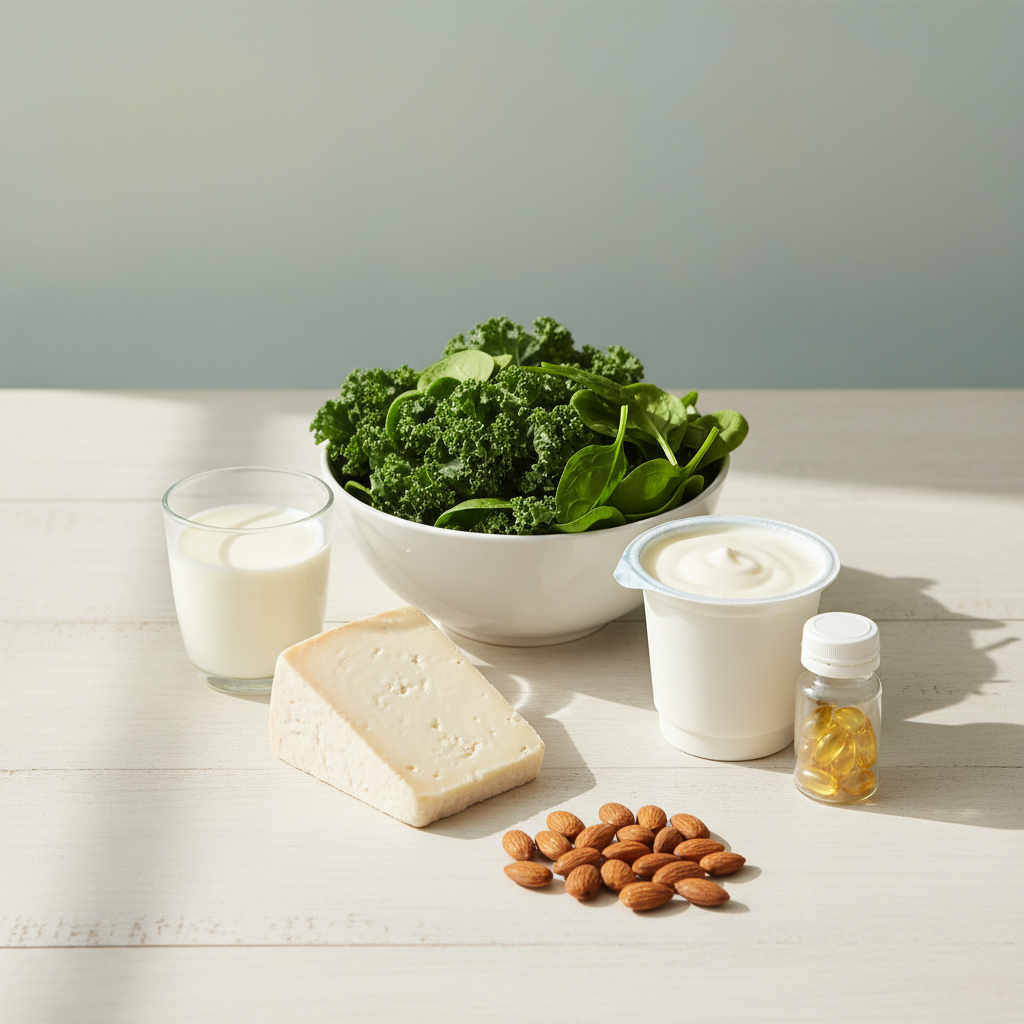
Dairy products provide the most readily absorbed sources of calcium, with one cup of milk or yogurt delivering approximately 300mg. Cheese varies in calcium content, with hard cheeses like parmesan offering more per serving than soft varieties. If you don’t consume dairy, plenty of alternatives exist—fortified plant milks can contain similar amounts of calcium to cow’s milk when specifically formulated for this purpose.
Non-dairy calcium sources include dark leafy greens like kale and bok choy, though spinach contains compounds that limit calcium absorption. Almonds, chia seeds, and calcium-set tofu provide substantial amounts, while calcium-fortified orange juice and breakfast cereals offer convenient options. Building meals that combine these foods—like a smoothie with yogurt, fortified plant milk, and chia seeds—can help you reach your daily targets without feeling overwhelmed during the 2nd month pregnancy and beyond.
Vitamin D Sources and Supplementation
Unlike calcium, vitamin D occurs naturally in very few foods, with fatty fish like salmon and mackerel being the richest sources. Egg yolks and mushrooms exposed to UV light contain modest amounts, while fortified products like milk, some plant milks, and breakfast cereals provide more reliable dietary sources. However, most people—especially pregnant women—can’t meet their vitamin D needs through diet alone.
Sunlight remains the body’s primary natural source of vitamin D, as your skin produces it when exposed to UVB rays. For most people, 10-30 minutes of midday sun exposure several times weekly can help maintain adequate levels. However, factors like darker skin tones, northern latitudes, winter seasons, and sunscreen use (which is still important for skin cancer prevention) can all limit vitamin D production. During pregnancy, especially in the 2ns trimester, most healthcare providers recommend a supplement of 1,000-2,000 IU daily, often included in prenatal vitamins but sometimes requiring an additional supplement.
Supporting Your Baby Now and Beyond
The calcium and vitamin D you provide during pregnancy continue to support your baby after birth. If you’re planning to breastfeed, maintaining adequate intake remains important as breast milk provides calcium to your baby—though your vitamin D needs increase to 700 IU daily. After introducing solid foods around six months, calcium-rich options like yogurt, cheese, and fortified cereals help support your baby’s continuing bone development.
The foundation you establish during pregnancy has lifelong implications. Peak bone mass—the maximum density and strength bones achieve—develops largely during childhood and adolescence, but begins in the womb. By providing optimal calcium and vitamin D throughout your pregnancy, you’re not just supporting immediate development but potentially reducing your child’s risk of osteoporosis and fractures decades later. This investment in their skeletal health represents one of the many ways your pregnancy choices create lasting benefits for your child.
Conclusion
The partnership between calcium and vitamin D during pregnancy creates the framework for your baby’s skeletal health both now and throughout their life. By understanding and meeting your nutritional needs, especially during the critical bone-building periods of the second and third trimesters, you’re providing your baby with the strongest possible foundation for growth. Remember that small, consistent efforts to include calcium-rich foods and maintain vitamin D levels contribute significantly to your baby’s development—one of the many ways you’re already taking care of them before they even arrive in your arms.
Sources
American College of Obstetricians and Gynecologists (ACOG) – Nutrition During Pregnancy
National Institutes of Health – Calcium Fact Sheet for Health Professionals
National Institutes of Health – Vitamin D Fact Sheet for Health Professionals
Centers for Disease Control and Prevention – Vitamins and Minerals for Infant and Toddler Nutrition
National Institute of Child Health and Human Development – Pregnancy Information