

Calcium and Vitamin D: Supporting Baby’s Bone Development
During pregnancy, calcium and vitamin D work together to build your baby’s skeleton, creating the foundation for lifelong bone health. As your baby grows, especially during the second trimester, these nutrients become increasingly important as bones develop and harden, setting the stage for your child’s future growth and development.
Key Highlights
Here’s what you need to know about calcium and vitamin D during pregnancy:
- Calcium and vitamin D work as partners—vitamin D helps your body absorb the calcium that builds your baby’s bones
- Pregnant women need 1,000-1,300 mg of calcium and 600 IU of vitamin D daily
- 99% of the calcium in your body is stored in bones and teeth
- Both dairy and non-dairy sources can provide adequate calcium
- Vitamin D deficiency is common during pregnancy and may require supplementation
Understanding The Calcium-Vitamin D Partnership

Calcium and vitamin D function as a team in your body, with each nutrient playing an essential role in developing your baby’s skeleton. Vitamin D acts as the gatekeeper, enabling your body to absorb and use calcium effectively. Without sufficient vitamin D, your body might only absorb 10-15% of dietary calcium, whereas with adequate vitamin D levels, absorption increases to 30-40%, according to the American Pregnancy Association.
During the 2nd trimester, your baby’s bones begin to harden through a process called ossification, requiring a steady supply of these nutrients. Beyond bone formation, calcium also supports your baby’s heart function, blood clotting, nerve signaling, and muscle contractions. This partnership extends beyond pregnancy, as these nutrients continue to support your baby’s bone development throughout infancy and childhood.
Meeting Your Nutritional Needs During Pregnancy
Pregnancy increases your body’s demand for calcium and vitamin D as your baby draws on your nutrient stores to develop their skeleton. The recommended daily intake during pregnancy is 1,000 mg of calcium for women 19-50 years old (1,300 mg for teenagers), and 600 IU of vitamin D daily. Many women don’t meet these requirements through diet alone, with studies showing that up to 40% of pregnant women may have vitamin D insufficiency.
Your needs may change throughout pregnancy, with calcium demands especially increasing during the 2nd month pregnancy and beyond as your baby’s bones begin to form. Your healthcare provider might recommend testing your vitamin D levels, particularly if you have limited sun exposure, darker skin, or live in northern latitudes. Regular prenatal vitamins typically contain vitamin D, but the calcium content varies, so check the label to understand what additional sources you might need.
Calcium-Rich Foods For Your Pregnancy Diet

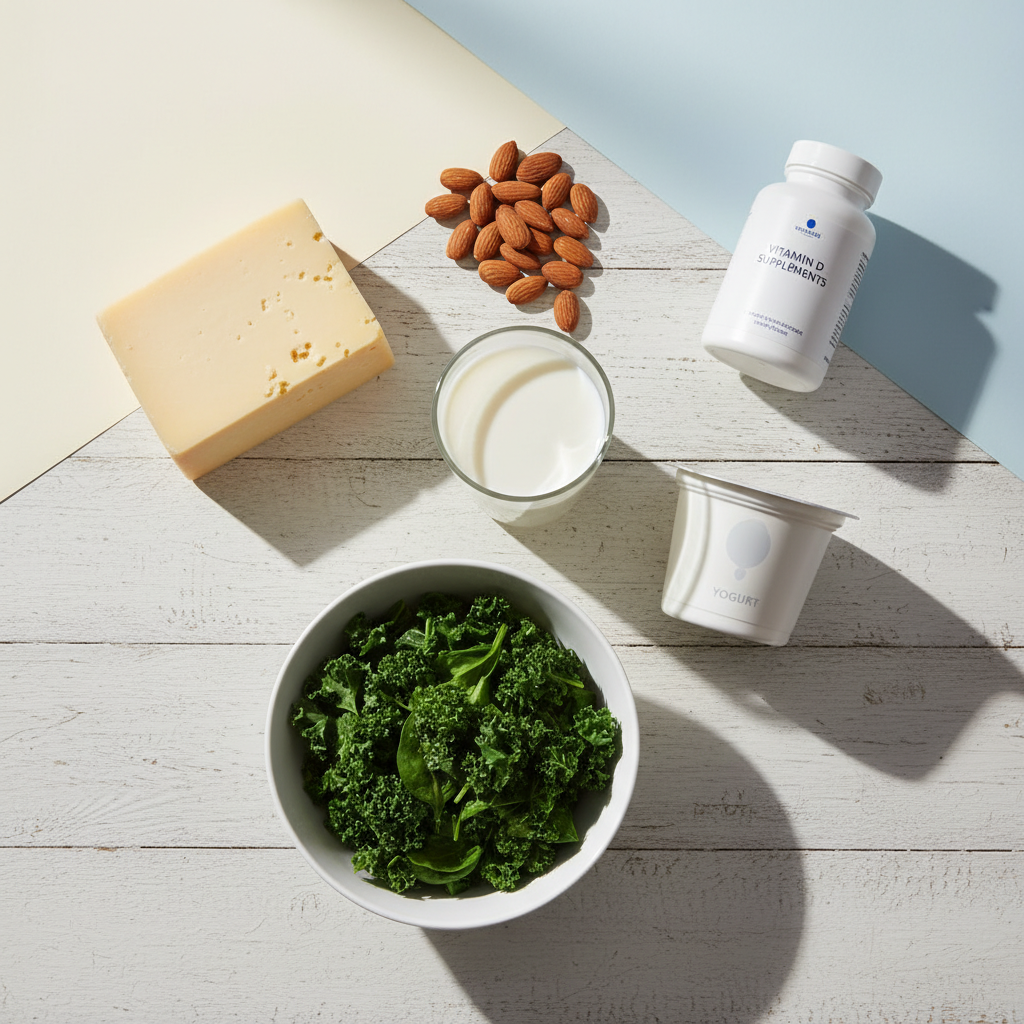
Incorporating calcium-rich foods into your daily meals can help you meet your increased pregnancy requirements without much effort. Dairy products are excellent sources, with one cup of milk providing about 300 mg, a cup of yogurt offering 400 mg, and 1.5 ounces of cheese containing approximately 300 mg of calcium. For those who don’t consume dairy, many plant-based alternatives exist.
Non-dairy calcium sources include fortified plant milks (almond, soy, oat), which typically provide 300-450 mg per cup, leafy greens like kale and bok choy, calcium-set tofu, almonds, and calcium-fortified orange juice. Creating balanced meals that include these foods can make meeting your calcium goals easier—try a breakfast smoothie with yogurt and fortified plant milk, a lunch salad with leafy greens, and dinner with calcium-set tofu or dairy components to distribute your intake throughout the day.
Getting Enough Vitamin D During Pregnancy
Unlike calcium, vitamin D is difficult to obtain from food sources alone, which is why many pregnant women need to be strategic about getting enough. Your body naturally produces vitamin D when your skin is exposed to sunlight, but factors like season, location, skin tone, and sunscreen use can limit this production. The few food sources rich in vitamin D include fatty fish (salmon, mackerel), egg yolks, and fortified products like milk and some cereals.
For many pregnant women, especially during the second trimester when baby’s bones are developing rapidly, supplementation becomes necessary. The American College of Obstetricians and Gynecologists suggests that a prenatal vitamin containing 600 IU of vitamin D is appropriate for most women, though those at higher risk of deficiency may need more. Always consult with your healthcare provider before starting any supplement, as vitamin D is fat-soluble and can accumulate in the body.
Recognizing Potential Deficiency Signs
Identifying calcium or vitamin D deficiency during pregnancy can be challenging because symptoms may be subtle or overlap with normal pregnancy discomforts. For calcium deficiency, watch for signs like muscle cramps, particularly in your legs, numbness or tingling in your fingers, and pregnancy headaches second trimester, which can sometimes be related to calcium levels. However, these symptoms can have multiple causes, so consult your healthcare provider rather than self-diagnosing.
Vitamin D deficiency may present as bone pain, muscle weakness, and increased susceptibility to infections. Long-term deficiencies can have serious consequences for both you and your baby, potentially leading to pregnancy complications like preeclampsia and gestational diabetes for you, and poor bone mineralization, delayed growth, or rickets for your baby. If you experience persistent symptoms or have risk factors for deficiency, your doctor may recommend blood tests to check your levels.
Special Considerations For Different Pregnancy Scenarios
Certain pregnancy conditions may require additional attention to calcium and vitamin D intake. Women carrying multiples need more of these nutrients as they’re supporting the bone development of two or more babies simultaneously. Those with gastrointestinal conditions that affect nutrient absorption, such as celiac disease or inflammatory bowel disease, may need specialized supplementation approaches to ensure adequate levels.
Women who experience pregnancy complications that affect eating habits, like severe morning sickness (hyperemesis gravidarum), may struggle to consume enough calcium-rich foods. In these cases, healthcare providers might recommend liquid supplements or intravenous nutrition. If you’re lactose intolerant, vegan, or have dietary restrictions, work with your healthcare provider or a registered dietitian to develop a plan that meets your specific needs while supporting your baby’s development.
Supporting Your Baby’s Bone Health Beyond Pregnancy
Your role in supporting your baby’s bone development continues after birth, particularly if you’re breastfeeding. Breast milk contains calcium, but your body will draw from your own bone stores if your diet doesn’t provide enough, potentially affecting your own bone health. The recommended calcium intake remains elevated during breastfeeding at 1,000-1,300 mg daily, while vitamin D requirements stay at 600 IU.
As your child grows, you’ll transition from providing nutrients through pregnancy and breastfeeding to offering calcium-rich foods during weaning and early childhood. Introduce yogurt, cheese, and calcium-fortified foods as appropriate, following your pediatrician’s guidance. By establishing healthy eating patterns early, you help set the foundation for your child’s lifelong bone health, complementing the strong start you provided during pregnancy.
Conclusion
The calcium and vitamin D you consume during pregnancy directly contribute to your baby’s skeletal development, creating effects that last a lifetime. By understanding your nutritional needs and making informed choices about your diet and supplements, you’re actively building your baby’s bone health foundation. Remember that small, consistent efforts to include calcium-rich foods and ensure adequate vitamin D can make a significant difference in your baby’s development, giving them the gift of strong bones from the very beginning.
Sources
- American College of Obstetricians and Gynecologists: Nutrition During Pregnancy
- American Pregnancy Association: Pregnancy Nutrition
- Centers for Disease Control and Prevention: Vitamin D
- National Institutes of Health: Calcium Fact Sheet
- National Institute of Child Health and Human Development: Healthy Pregnancy