

Meditation for Expecting Mothers
Pregnancy brings a beautiful blend of joy and anticipation alongside natural concerns about your changing body and your baby’s development. With nearly 40% of expecting mothers experiencing some form of anxiety during pregnancy, finding effective ways to manage stress becomes an essential part of prenatal care.
Key Highlights
Here’s what you need to know about meditation during pregnancy:
- Regular meditation can reduce cortisol levels that cross the placental barrier
- Just 10-15 minutes of daily practice can significantly improve maternal mental health
- Mindfulness techniques learned during pregnancy can be applied during labor
- Meditation promotes better maternal-fetal bonding and infant stress responses
- The skills developed through prenatal meditation create a foundation for mindful parenting
Understanding Changes: Stress During Pregnancy
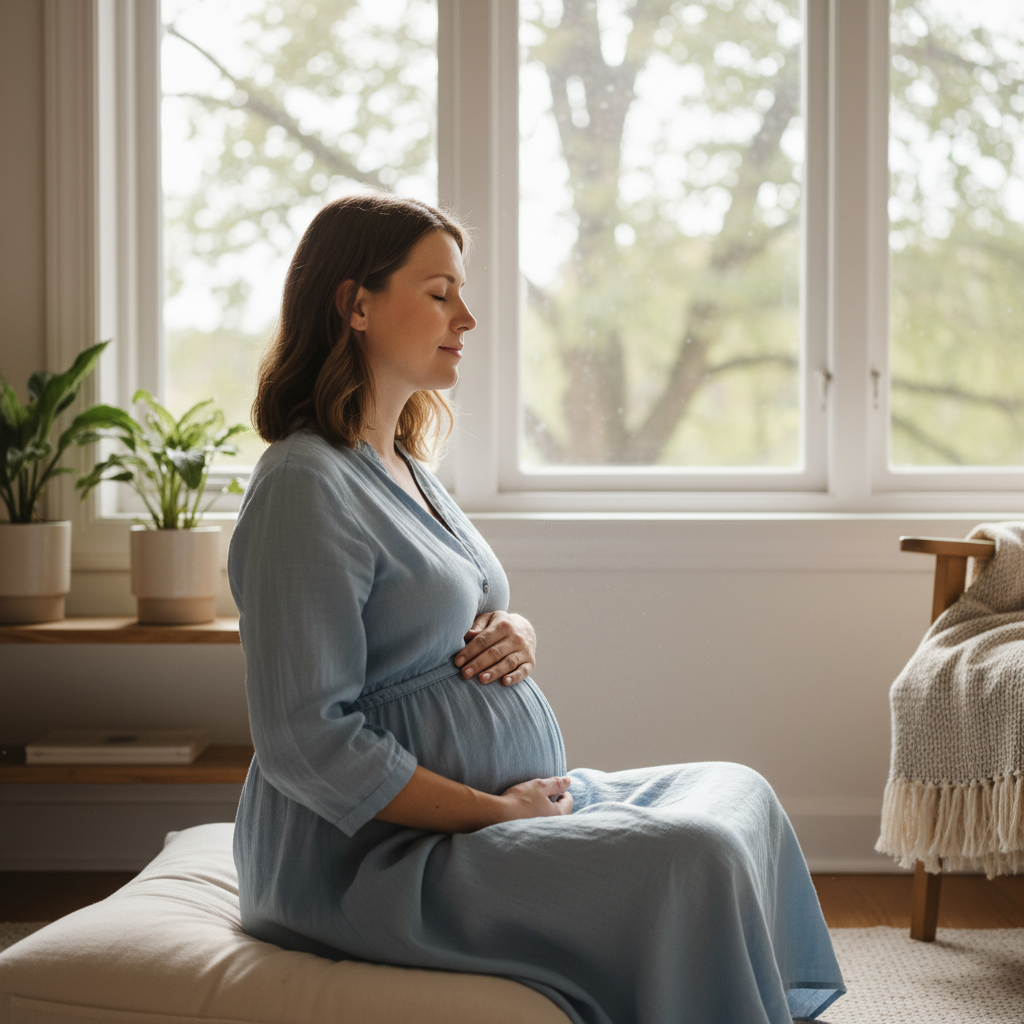
The second trimester often brings a mix of relief from early pregnancy symptoms and new sources of stress as your body undergoes significant changes. During this period, your body’s stress response works differently, with pregnancy hormones intensifying emotional reactions while your growing baby becomes more sensitive to your physiological state. When you experience stress, your body produces cortisol which can cross the placental barrier and potentially impact your baby’s developing nervous system.
According to the American College of Obstetricians and Gynecologists, managing stress during pregnancy is just as important as attending regular check-ups and maintaining proper nutrition. Meditation offers a natural, accessible way to regulate your nervous system without medication. By practicing mindfulness, you create a buffer between external stressors and your internal response, helping to maintain a more balanced emotional state during the crucial developmental phases of the 2nd trimester.
Understanding Changes: The Science of Prenatal Meditation
Research from the Journal of Obstetrics and Gynecology shows that pregnant women who meditate regularly experience measurable improvements in both physical and emotional wellbeing. Studies indicate that consistent meditation practice can reduce anxiety by up to 30% and improve sleep quality—two common challenges during pregnancy. The neuroscience is clear: meditation activates the parasympathetic nervous system, counteracting the stress response and creating a more optimal internal environment for your developing baby.
Beyond immediate stress relief, prenatal meditation has been linked to improved birth outcomes. A 2020 study published in BMC Pregnancy and Childbirth found that mothers who practiced meditation during pregnancy reported more positive birth experiences and showed better coping strategies during labor. These benefits aren’t merely subjective—researchers have observed physiological changes including lower blood pressure, improved immune function, and better regulation of pregnancy headaches second trimester symptoms among women who maintain a regular meditation practice.
Your Body & Baby: Building Connection Through Mindfulness
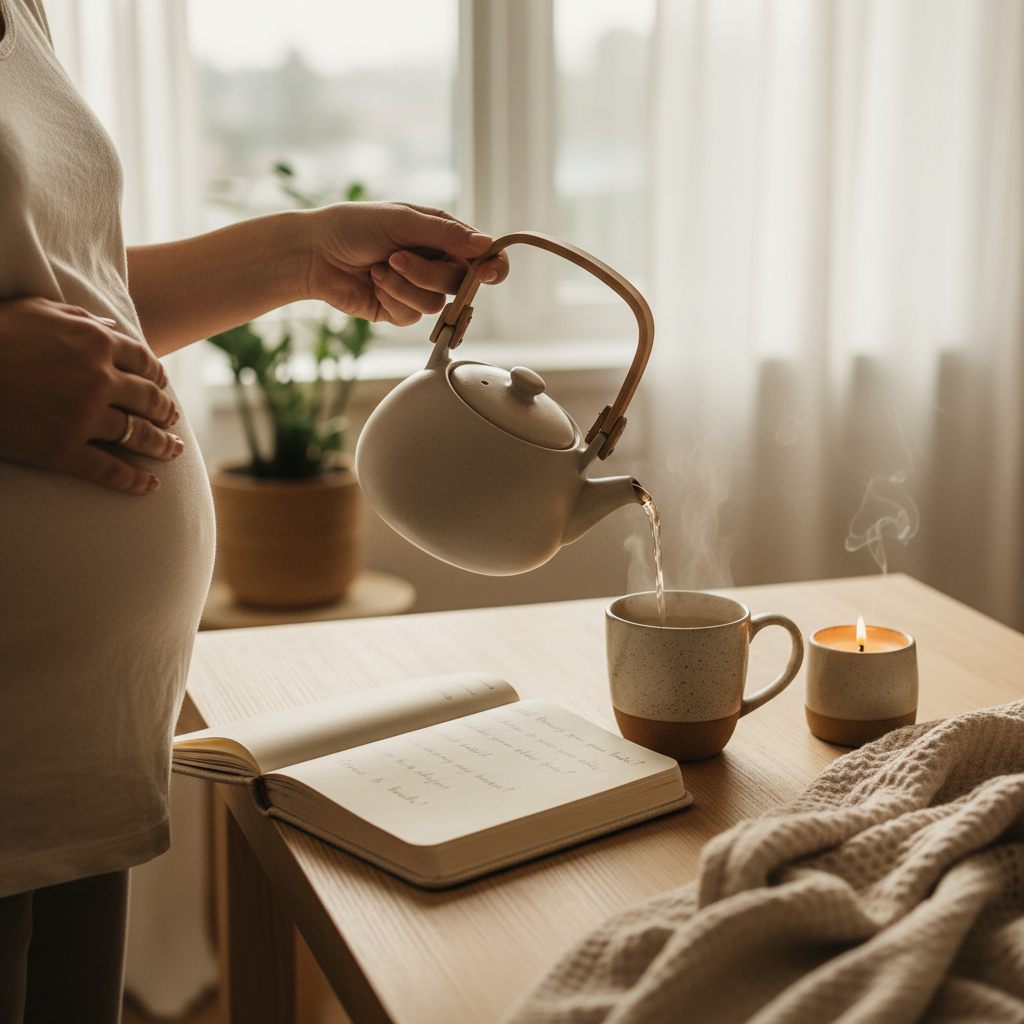
One of the most beautiful aspects of meditation during pregnancy is how it enhances the bond between you and your baby. During the 2nd month pregnancy and beyond, your baby becomes increasingly responsive to your voice, movements, and emotional states. Meditation creates a dedicated time to connect with your baby intentionally, fostering a relationship that begins long before birth. This practice of conscious connection can help ease anxiety about the unknown aspects of pregnancy and motherhood.
Mindfulness meditation teaches you to focus on physical sensations with acceptance rather than judgment—a skill particularly valuable as your body undergoes rapid changes. When you practice body scan meditations, you learn to observe discomforts with compassion instead of resistance, which can be especially helpful for managing the physical challenges of pregnancy. This acceptance-based approach can be applied to managing stress triggers during the second trimester, helping you respond to physical symptoms with greater ease.
Your Body & Baby: Preparing for Birth Through Mindfulness
The skills developed through meditation create a foundation for a more centered birth experience. Mindfulness teaches focused breathing and present-moment awareness that can be invaluable during labor. Regular practitioners often report feeling more confident and less fearful about childbirth, having developed tools to remain present during intense physical sensations rather than becoming overwhelmed by them.
Meditation techniques like breathing exercises during the second trimester can be specifically adapted to prepare for the challenges of labor. By practicing focused breathing patterns, you’re essentially rehearsing techniques that can help manage contractions. Studies from the Journal of Perinatal Education show that women who use meditation-based techniques during labor typically require less pain medication and report greater satisfaction with their birth experience. This preparation creates a bridge between your pregnancy and birth experience, allowing the benefits of your practice to extend into labor and delivery.
Healthy Living Tips: Getting Started with Meditation

Beginning a meditation practice during pregnancy doesn’t require previous experience or special equipment. Start with just 5 minutes daily, gradually increasing as you become more comfortable with the practice. Finding a comfortable position is essential—side-lying or seated postures with proper support are often best for pregnant women, especially as your baby grows. Many women find that incorporating gentle movement before sitting for meditation helps ease physical discomfort.
Guided meditations specifically designed for pregnancy can be particularly helpful for beginners. These typically include visualizations of your baby, affirmations for pregnancy and birth, and body awareness exercises that acknowledge the unique experience of having another being growing inside you. If sitting meditation feels challenging, consider walking meditation as an alternative—this involves bringing mindful awareness to the simple act of walking, which can feel more accessible when managing pregnancy discomforts.
Healthy Living Tips: Making Meditation Sustainable
The key to experiencing the full benefits of meditation lies in consistency rather than duration. Integrating brief mindfulness moments throughout your day can be just as valuable as longer formal sessions. Try pairing meditation with another daily routine—perhaps before breakfast or after your shower—to help establish a consistent habit that can carry you through pregnancy and beyond.
Common challenges like fatigue or time constraints can be addressed by adapting your practice to fit your current needs. On low-energy days, a 3-minute breathing exercise while lying down is perfectly valid. Many expectant mothers find it helpful to join pregnancy meditation groups or classes, which provide both structure and community support. This social dimension can be especially valuable for managing childbirth anxiety in the second trimester through shared experiences with other expectant mothers.
Embracing Calm Throughout Your Pregnancy Journey
Meditation offers a powerful way to nurture both yourself and your baby during the transformative journey of pregnancy. By carving out time for this practice, you’re not only addressing immediate stress and physical discomfort but also building skills that will serve you through birth and into motherhood. Remember that meditation is not about achieving perfect stillness or emptying your mind completely—it’s about showing up consistently with kindness toward yourself and your changing body.
The practice of turning inward with awareness allows you to experience your pregnancy more fully while developing resilience for the challenges ahead. As you continue your meditation practice, approach it with the same patience and compassion you would offer your growing child—allowing yourself to learn, adjust, and grow through the process.
Sources
- American College of Obstetricians and Gynecologists – Managing Stress During Pregnancy
- Journal of Obstetrics and Gynecology – Effects of Meditation on Maternal Mental Health
- BMC Pregnancy and Childbirth – Mindfulness Meditation and Birth Outcomes
- Journal of Perinatal Education – Mindfulness-Based Childbirth Preparation
- National Institute of Child Health and Human Development – Stress and Pregnancy