

The Role of Nutrition in Fetal Growth
Your dietary choices during pregnancy directly influence your baby’s development, setting the foundation for their lifelong health. What you eat provides the essential building blocks your growing baby needs for proper organ formation, brain development, and overall growth.
Key Highlights
Here’s what you need to know about nutrition’s impact on your baby’s development:
- Maternal nutrition in early pregnancy establishes the foundation for your baby’s organ development and future health.
- You need approximately 340-450 extra calories daily during the second trimester, not “eating for two.”
- Nutrients like folate, iron, calcium, and omega-3 fatty acids play crucial roles in your baby’s brain and body development.
- Food choices during pregnancy can influence your baby’s future health through epigenetic programming.
- Small, consistent improvements to your diet can make significant differences in your baby’s growth.
Understanding Changes: Early Nutrition’s Critical Impact
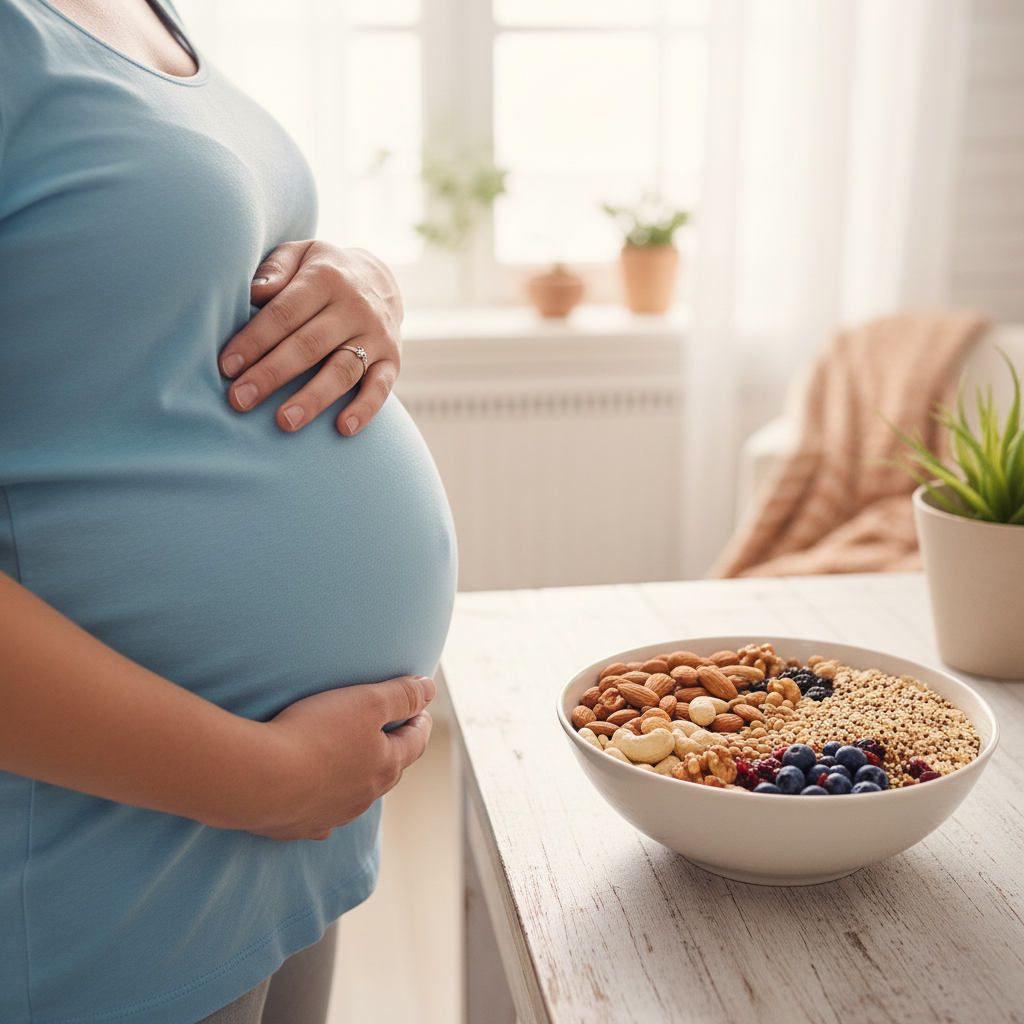
The first weeks of pregnancy mark a critical window for development, with many vital organs forming before many women even know they’re pregnant. Studies like the Dutch Famine Birth Cohort have shown that nutrition during early pregnancy has lifelong effects on a child’s health outcomes. During the second trimester, your baby experiences rapid growth, with their brain, bones, and muscles developing at an extraordinary rate.
The nutrients you consume provide the building materials for these developing structures. Folate supports neural tube development, while iron helps build your baby’s blood supply. Calcium contributes to bone and tooth formation, and protein provides the amino acids necessary for tissue growth. Omega-3 fatty acids play a crucial role in brain and eye development, especially during the middle months of pregnancy.
Understanding Changes: The Science Behind Maternal Nutrition
Your nutritional status during pregnancy affects your baby’s development through a concept called fetal programming. This emerging field of research demonstrates how nutrition and other environmental factors can influence gene expression in your developing baby. According to the Developmental Origins of Health and Disease framework, these early influences can alter your child’s risk for conditions like heart disease, diabetes, and obesity later in life.
Nutritional deficiencies during the 2nd month pregnancy can have particularly profound effects as your baby’s organ systems are forming. For example, inadequate protein intake may affect kidney development, potentially increasing your child’s risk of hypertension as an adult. Meanwhile, maintaining adequate levels of nutrients like choline, iodine, and B vitamins supports proper brain development and cognitive function that will benefit your child throughout their life.
Your Body & Baby: Nutritional Needs During Pregnancy
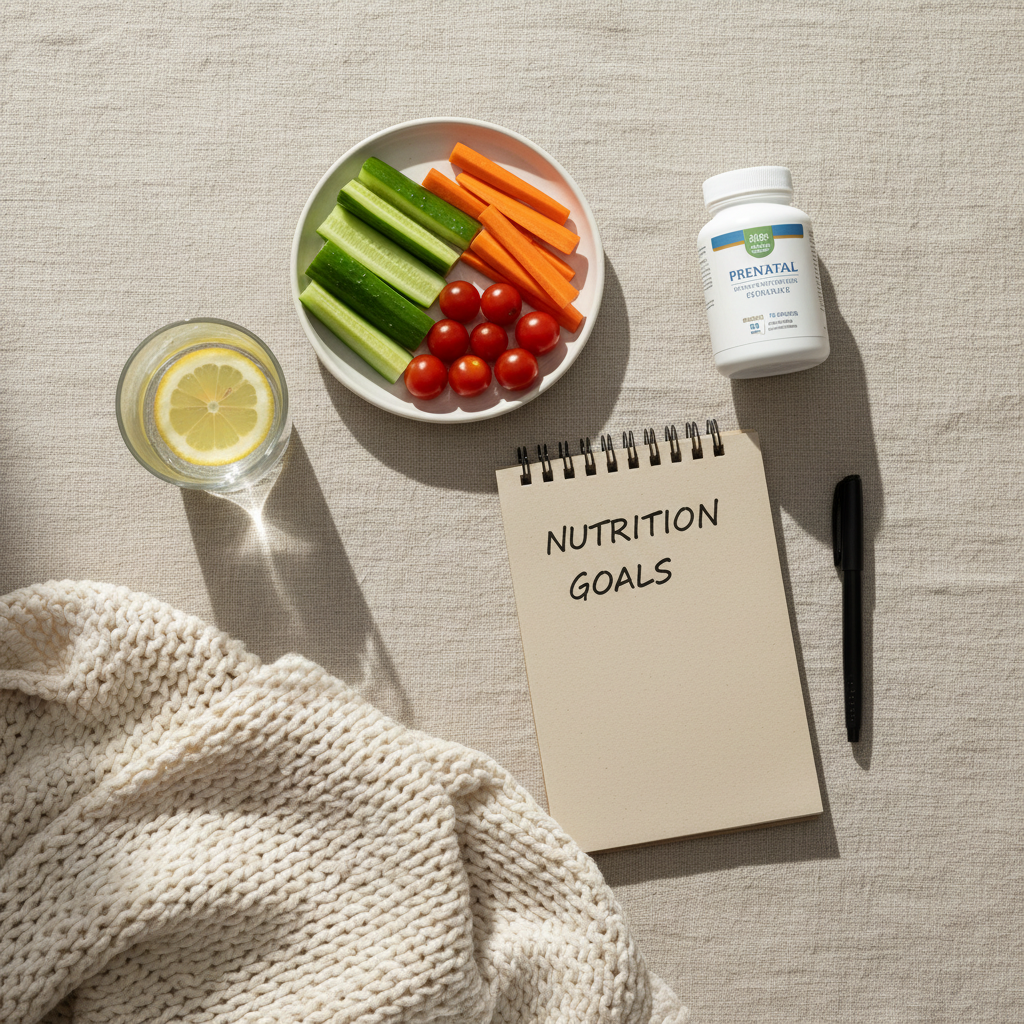
Contrary to the old saying “eating for two,” pregnancy requires only modest increases in caloric intake. During the first trimester, you generally don’t need extra calories, while the 2nd trimester requires approximately 340 additional calories daily. These calories should come from nutrient-dense foods rather than empty-calorie options. Focus on quality protein sources like lean meats, eggs, dairy, legumes, and nuts to provide the building blocks for your baby’s growing tissues.
Complex carbohydrates from whole grains, fruits, and vegetables provide sustained energy and essential fiber. Healthy fats, particularly omega-3 fatty acids found in fish, walnuts, and flaxseeds, support your baby’s brain development. Micronutrients like iron become increasingly important as your blood volume expands to support both you and your baby, while calcium needs increase to support your baby’s developing skeleton without depleting your own bone stores.
Your Body & Baby: Addressing Common Nutritional Challenges
Pregnancy brings unique challenges that can affect your nutrition, including morning sickness, food aversions, and pregnancy headaches second trimester. When nausea makes eating difficult, focus on small, frequent meals with bland, easily digestible foods. Stay hydrated and consider ginger tea, which may help settle your stomach. For persistent headaches during the second trimester, ensure adequate hydration and consider whether your iron levels need checking, as anemia can contribute to headaches.
Food cravings and aversions are common during pregnancy and may reflect your body’s changing nutritional needs. While it’s fine to indulge reasonable cravings occasionally, aim to maintain a balanced diet overall. If you develop an aversion to an important food group, look for alternative sources of those nutrients. For instance, if dairy becomes unappealing, seek calcium from fortified plant milks, leafy greens, or supplements as recommended by your healthcare provider.
Healthy Living Tips: Building Your Optimal Pregnancy Diet
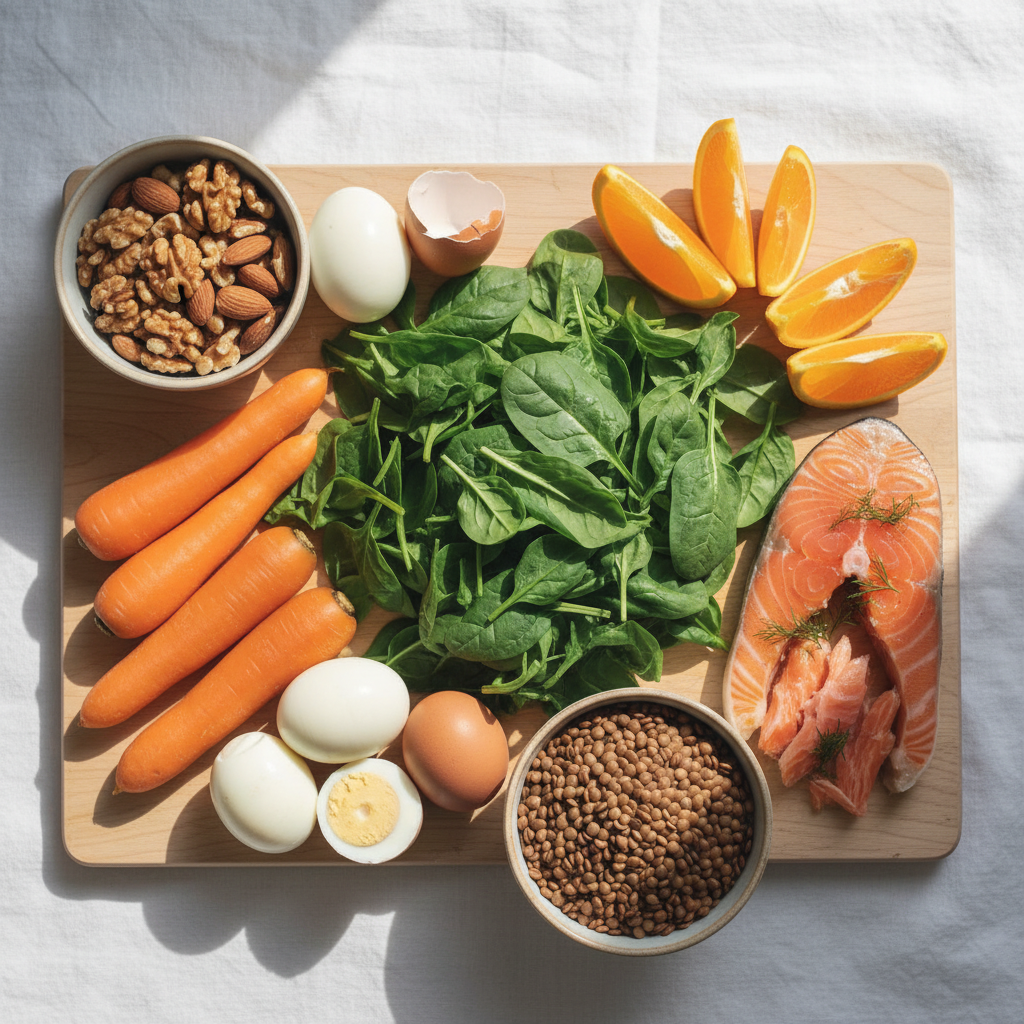
Creating a balanced diet during pregnancy doesn’t require complicated meal plans. Start by filling half your plate with colorful fruits and vegetables, which provide essential vitamins, minerals, and antioxidants. Add a quarter plate of whole grains like brown rice, quinoa, or whole wheat bread for energy and fiber. Complete your meal with a quarter plate of protein-rich foods to support your baby’s growth and development.
Include calcium-rich foods daily, such as dairy products, fortified plant milks, or leafy greens. Incorporate iron-rich foods like lean red meat, poultry, beans, and fortified cereals, especially during the 2ns trimester when blood volume expands significantly. Pair these with vitamin C sources to enhance iron absorption. Stay well-hydrated with water as your primary beverage, aiming for at least 8-10 cups daily to support your increased blood volume and amniotic fluid.
Healthy Living Tips: Foods to Embrace and Limit
While focusing on what to eat, it’s equally important to know which foods deserve caution during pregnancy. Limit processed foods high in refined sugars, unhealthy fats, and artificial additives, as these provide calories without beneficial nutrients your baby needs. Instead, choose whole, minimally processed foods whenever possible. Prenatal vitamins can help bridge nutritional gaps but shouldn’t replace a varied diet.
Be mindful of food safety during pregnancy to protect against foodborne illnesses that could harm your baby. Thoroughly wash fruits and vegetables, cook meats to proper temperatures, and avoid high-risk foods like unpasteurized dairy products, raw or undercooked meats, and high-mercury fish. If you have specific dietary restrictions or health conditions like gestational diabetes, work with your healthcare provider to develop a customized nutrition plan that meets both your needs and supports your baby’s healthy development.
Conclusion
The food choices you make during pregnancy provide the foundation for your baby’s growth and development, with effects that can last well into adulthood. By understanding the connection between your diet and your baby’s development, you can make informed choices that support optimal growth at every stage of pregnancy. Remember that small, consistent improvements to your nutrition can have significant benefits, and it’s never too late to make positive changes that will benefit both you and your growing baby.
Sources
- American College of Obstetricians and Gynecologists – Nutrition During Pregnancy
- Centers for Disease Control and Prevention – Pregnancy and Nutrition
- National Institute of Child Health and Human Development – Nutrition During Pregnancy
- Harvard T.H. Chan School of Public Health – Prenatal and Early Life Nutrition
- March of Dimes – Eating Healthy During Pregnancy