

The Benefits of Prenatal Massage During Pregnancy
Prenatal massage is a specialized therapy designed specifically for pregnant women to address their unique needs and challenges throughout pregnancy. These therapeutic sessions provide comfort and relief while promoting both physical and emotional well-being during this transformative journey.
Key Highlights
Here’s what you need to know about prenatal massage:
- Prenatal massage differs from regular massage with modified techniques and positioning for pregnancy safety.
- Research shows it can reduce stress hormones while increasing “feel-good” hormones like serotonin.
- It effectively addresses common discomforts including back pain, sciatica, and swelling.
- Some studies link regular prenatal massage with improved pregnancy outcomes.
- The second trimester is often considered an ideal time to begin prenatal massage therapy.
Understanding Changes: How Massage Affects Your Body
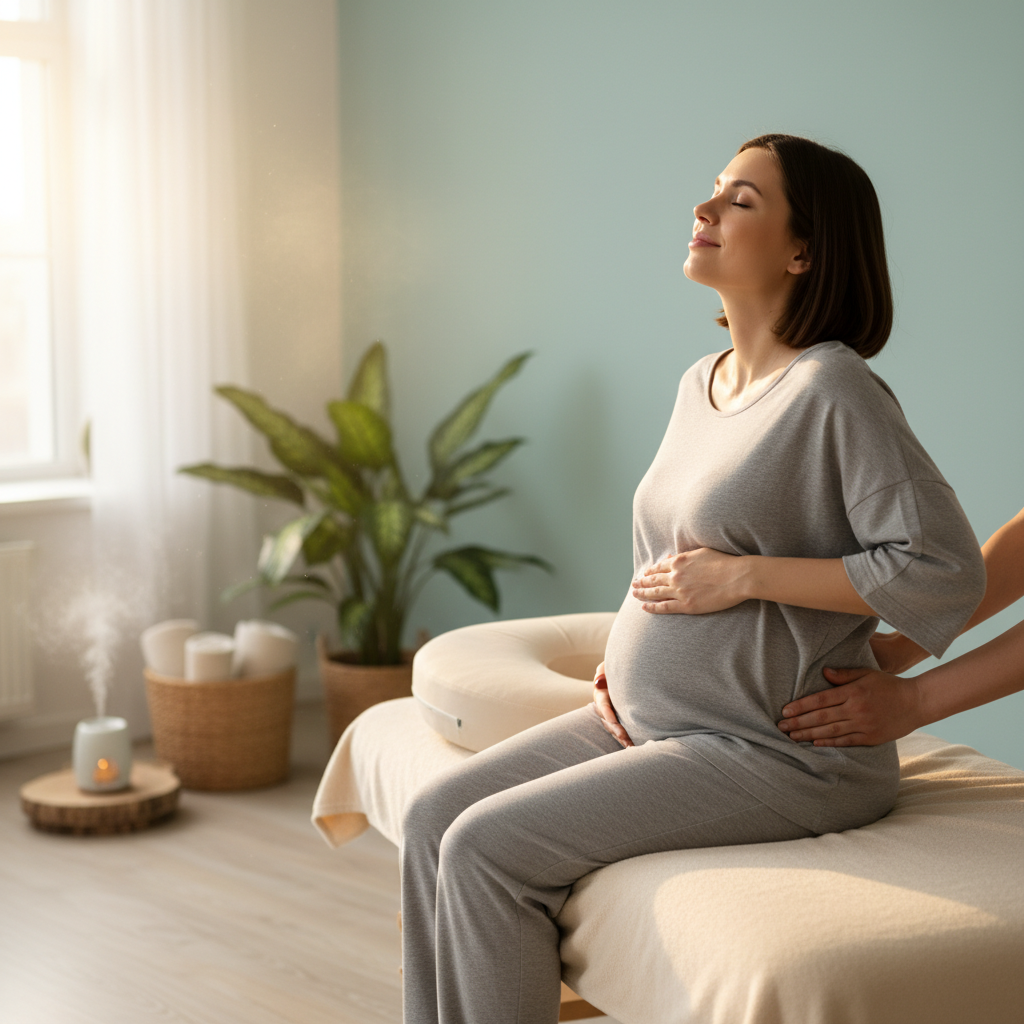
Prenatal massage works on both physiological and hormonal levels to create positive changes in your body. During a session, the gentle pressure and rhythmic movements help decrease stress hormones like cortisol and norepinephrine, which can be elevated during pregnancy. This reduction in stress hormones creates a cascading effect of benefits, from lowered blood pressure to decreased muscle tension and improved sleep quality.
At the same time, massage stimulates the release of “feel-good” hormones including serotonin and dopamine. These natural mood boosters can help counter pregnancy-related mood swings and anxiety, especially during the 2nd month pregnancy and beyond when hormonal fluctuations may be more pronounced. The combination of reduced stress hormones and increased positive neurotransmitters creates a powerful biochemical shift that explains why many pregnant women report feeling significantly better after receiving massage therapy.
Understanding Changes: The Body’s Relaxation Response
Beyond the hormonal benefits, prenatal massage activates your body’s natural relaxation response. This parasympathetic state, often called “rest and digest,” counteracts the fight-or-flight response that can become overstimulated during pregnancy due to physical discomfort and emotional stress. During a massage session, your breathing naturally slows and deepens, heart rate decreases, and muscles release tension they may have been holding for weeks.
This relaxation response doesn’t just feel good in the moment—it can create lasting effects between sessions. Regular prenatal massage helps train your nervous system to access this calmer state more easily, potentially reducing overall pregnancy anxiety. Many women discover that the relaxation techniques they learn during massage (conscious breathing, mindful awareness of tension) become valuable tools they can use throughout pregnancy and even during labor. According to the American Pregnancy Association, this improved ability to relax may contribute to easier labor and delivery experiences for some women.
Your Body & Baby: Relief for Common Pregnancy Discomforts

One of the most immediate benefits of prenatal massage is relief from the physical discomforts that often accompany pregnancy. As your body changes to accommodate your growing baby, muscle tension, postural adjustments, and increased weight can lead to significant discomfort. Targeted massage techniques help address pregnancy headaches second trimester that may result from increased tension in the neck and shoulders. These headaches, which affect many women during this period, often respond well to gentle massage that focuses on releasing trigger points and improving circulation.
Back and hip pain are other common concerns that prenatal massage can effectively address. As your center of gravity shifts and the hormone relaxin loosens your joints, many pregnant women experience lower back pain, sciatica, and pelvic discomfort. Safe ways to relieve back and hip pain through massage include side-lying positions and special cushioning systems that allow you to receive treatment without putting pressure on your abdomen or compromising circulation to your baby.
Your Body & Baby: Improved Circulation and Reduced Swelling
Prenatal massage can significantly improve circulation throughout your body, addressing the increased blood volume and reduced venous return common during pregnancy. Gentle massage techniques help move blood and lymphatic fluid more efficiently, reducing the swelling (edema) in hands, feet, and ankles that many women experience, particularly during the 2nd trimester. This improved circulation doesn’t just reduce visible swelling—it helps deliver more oxygen and nutrients to both you and your baby.
Studies published in the Journal of Bodywork and Movement Therapies suggest that regular prenatal massage may improve certain pregnancy outcomes. Some research indicates potential benefits including reduced rates of prematurity, fewer complications during labor, and even slightly higher birth weights. While more research is needed to fully understand these connections, improved circulation and reduced stress are believed to be key factors in these positive outcomes. The holistic effects of massage appear to create an environment where both mother and baby can thrive.
Healthy Living Tips: When to Start Prenatal Massage
Many healthcare providers suggest waiting until the second trimester before beginning prenatal massage, though this recommendation varies based on individual health factors and pregnancy history. The second trimester is often considered an ideal time to start because morning sickness has typically subsided, and the risk of miscarriage has significantly decreased. However, if you have a healthy, low-risk pregnancy, some massage therapists with specialized training may provide modified treatments during the first trimester.
During the second and third trimesters, massage frequency can be adjusted based on your needs and comfort level. Many women find that monthly sessions provide ongoing benefits, while others with specific discomforts may benefit from more frequent appointments every 2-3 weeks. As you approach your due date, weekly sessions may help prepare your body for labor by reducing tension and promoting relaxation. Consider adding massage as part of your pregnancy wellness routine for consistent benefits throughout your journey.
Healthy Living Tips: Finding the Right Prenatal Massage Therapist
When seeking prenatal massage, it’s essential to find a therapist with specific training and certification in pregnancy massage techniques. Proper credentials typically include completion of a specialized prenatal massage program beyond basic massage therapy education. During your search, don’t hesitate to ask potential therapists about their experience working with pregnant clients and their familiarity with pregnancy-specific concerns like positioning, pressure points to avoid, and high-risk conditions that require additional modifications.
A qualified prenatal massage therapist will conduct a thorough intake before your first session, asking about your medical history, any pregnancy complications, and specific areas of discomfort. They should work in coordination with your healthcare providers, especially if you have a high-risk pregnancy. Before scheduling, verify that the facility has proper equipment, including specialized cushions or tables with cutouts that allow you to lie comfortably on your stomach (in early pregnancy) or side-lying supports for later stages. Many women find that incorporating massage alongside other pregnancy-safe pain relief methods creates the most comprehensive approach to comfort during pregnancy.
Embracing Self-Care Through Prenatal Massage
Prenatal massage represents more than just physical relief—it’s an opportunity to nurture both yourself and your developing baby during this significant life transition. By addressing physical discomforts, reducing stress, and promoting emotional well-being, massage therapy can help you stay connected to the joy of pregnancy even during challenging moments. As with any pregnancy wellness practice, always consult with your healthcare provider before beginning prenatal massage to ensure it’s appropriate for your specific situation.
Sources
International Journal of Neuroscience: Massage therapy effects on depression and anxiety
American Pregnancy Association: Prenatal Massage Therapy
Journal of Bodywork and Movement Therapies: Pregnancy and massage
American College of Obstetricians and Gynecologists: Exercise During Pregnancy