
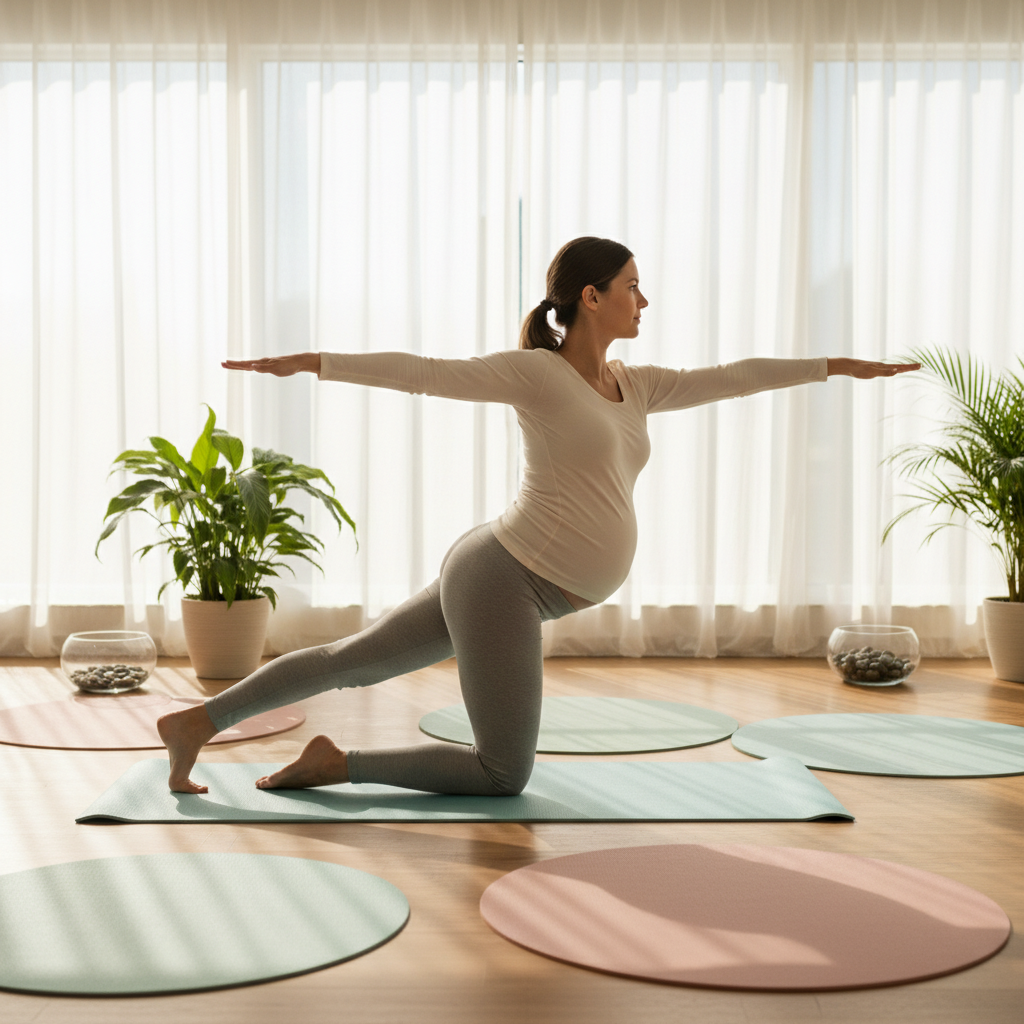
Prenatal Pilates: Strengthening Without Strain
Prenatal Pilates offers expectant mothers a gentle yet effective way to maintain fitness while supporting their changing bodies throughout pregnancy. Research shows this specialized form of exercise can reduce C-section rates by 33% and shorten labor duration by an average of 56 minutes, making it a valuable addition to your pregnancy wellness routine.
Key Highlights
Here’s what makes prenatal Pilates particularly beneficial during pregnancy:
- Strengthens the pelvic floor and deep core muscles that support your growing baby
- Reduces pregnancy-related back pain through proper alignment exercises
- Improves balance as your body’s center of gravity shifts during the second trimester
- Prepares your body for labor through controlled breathing techniques
- Can be safely modified for each stage of pregnancy with proper instruction
Understanding Your Changing Body
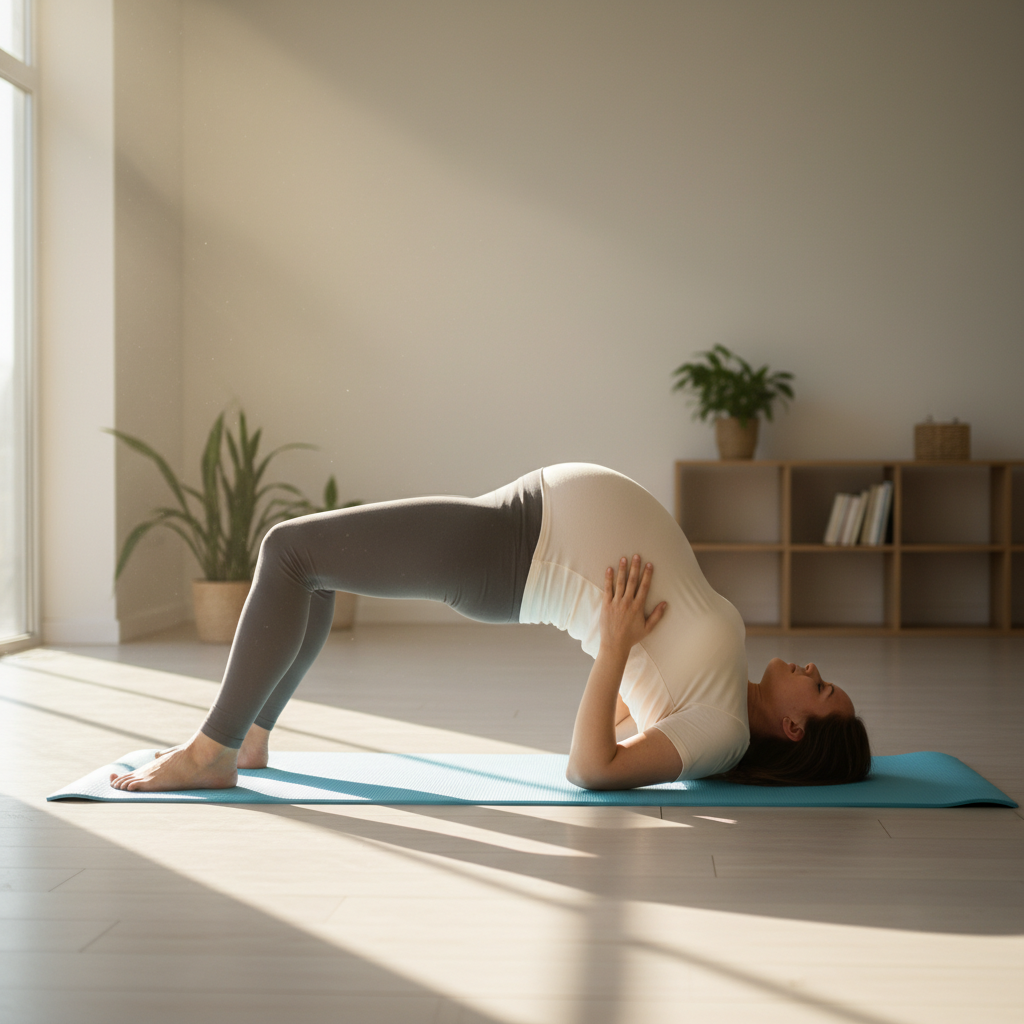
During the second trimester, your body produces increased levels of relaxin, a hormone that loosens joints and ligaments in preparation for childbirth. This natural process, while necessary, can make you more susceptible to injury during exercise if movements aren’t properly controlled. Prenatal Pilates addresses this vulnerability by emphasizing precise, mindful movements that respect your body’s new limitations while building functional strength.
According to the American College of Obstetricians and Gynecologists, maintaining regular exercise during pregnancy offers numerous benefits, including reduced back pain, decreased risk of gestational diabetes, and improved mood. The controlled nature of Pilates makes it particularly suitable for pregnant women looking to stay active without putting undue stress on their changing bodies.
The Core Canister: Beyond the “Six-Pack”
Traditional abdominal exercises often focus on the superficial “six-pack” muscles, which can actually create problems during pregnancy. Prenatal Pilates shifts attention to what experts call the “core canister”—the deep, functional muscles that truly support your spine and growing baby. This core system includes the diaphragm (top), pelvic floor (bottom), transverse abdominis (front), and multifidus (back).
Working these deeper muscles helps maintain proper posture as your center of gravity shifts, reducing strain on your lower back and pelvis. A study published in the Journal of Physiotherapy found that women who performed core-strengthening exercises during pregnancy reported significantly less back pain than those who didn’t. If you’re experiencing back and hip pain in the second trimester, targeted Pilates exercises can provide welcome relief.
Your Body and Baby: Safe Progression Through Pregnancy
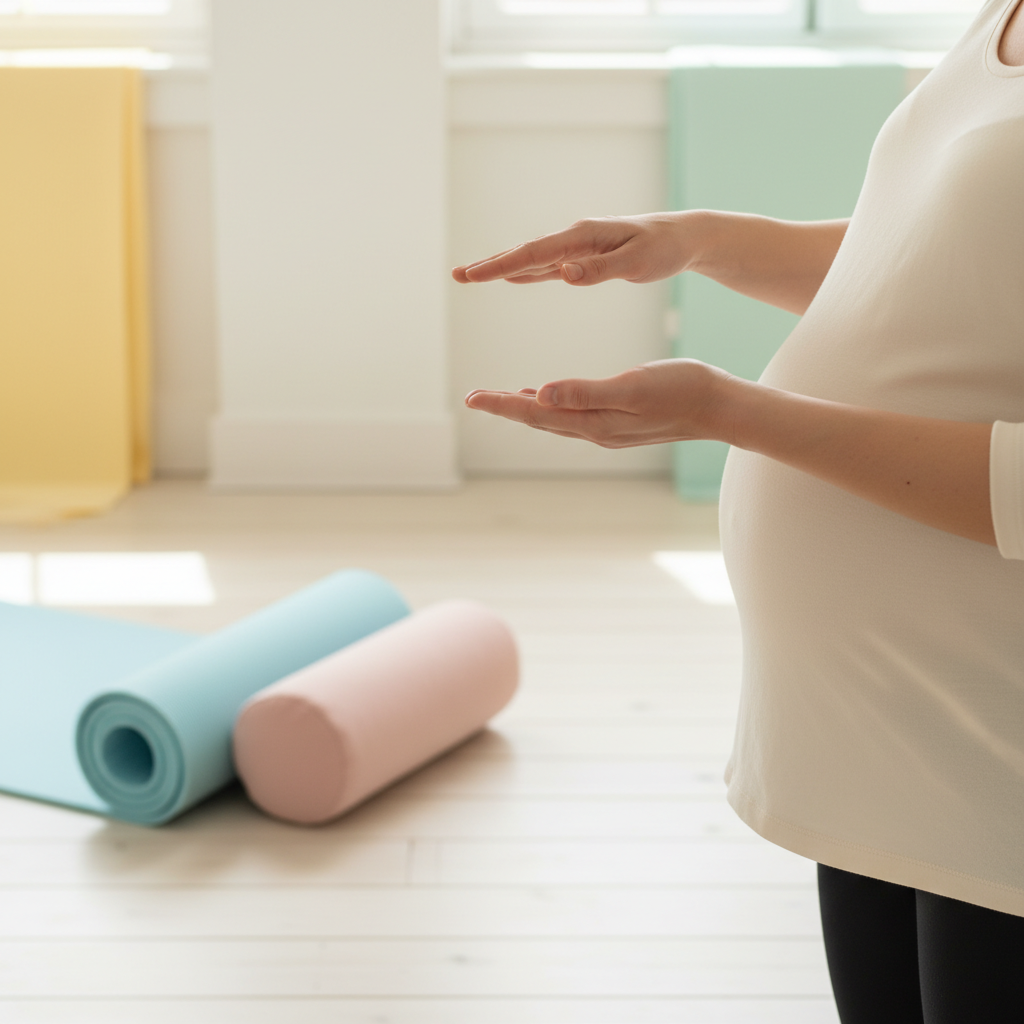
As your baby grows, your Pilates practice should evolve to accommodate physical changes. During early pregnancy, including the 2nd month pregnancy period, most standard Pilates exercises remain appropriate, though hot environments and exercises requiring prolonged lying on your back should be avoided. The focus during this time is establishing proper breathing techniques and core awareness.
By the time you reach the 2nd trimester, your growing belly necessitates modifications to prone (face-down) positions and certain twisting movements. This is when props like bolsters, wedges, and stability balls become valuable tools for supporting your changing shape. According to prenatal fitness expert Sarah Picot, “The second trimester is often when women feel their strongest and most energetic, making it an ideal time to establish a consistent Pilates practice that can be continued throughout pregnancy.”
Listening to Your Body’s Signals
One of Pilates’ greatest strengths is its emphasis on body awareness—a skill that serves pregnant women well both during exercise and labor. Learning to distinguish between productive effort and potential harm is essential for safe prenatal exercise. If you experience dizziness, shortness of breath, vaginal bleeding, pregnancy headaches second trimester, or unusual pain during your practice, stop immediately and consult your healthcare provider.
The Mayo Clinic recommends pregnant women maintain an exertion level where conversation remains possible during exercise. This “talk test” is a simple way to ensure you’re not overexerting yourself. Remember that pregnancy isn’t the time for fitness personal bests—focus instead on maintaining strength and flexibility while honoring your body’s changing needs.
Healthy Living: Preparing for Birth Through Movement
Pilates principles extend beyond physical exercise to develop mental skills valuable during childbirth. The focused breathing techniques practiced in Pilates closely resemble those used during labor, helping you maintain calm and control through contractions. Regular practice builds body confidence and proprioception (awareness of your body in space), which can help you find comfortable positions during labor.
Research published in BMC Pregnancy and Childbirth found that women who participated in regular exercise programs during pregnancy reported feeling better prepared for the physical demands of childbirth. The controlled movements in Pilates help strengthen the muscles used during labor while teaching you to work with your body rather than against it—a skill that proves invaluable during delivery.
Getting Started Safely in Your Second Trimester
Before beginning any exercise program during pregnancy, obtain clearance from your healthcare provider. Once approved, seek qualified instruction from a certified prenatal Pilates instructor who understands the specific needs of pregnant women. Many studios offer specialized prenatal classes, and numerous online resources are available for safely modifying workouts in the second trimester.
Start with proper warm-up and cool-down routines, which become increasingly important as pregnancy progresses. The American Pregnancy Association recommends beginning with just 5-10 minutes of gentle exercise and gradually building duration as your body adjusts. Consistency trumps intensity during pregnancy, so aim for shorter, more frequent sessions rather than occasional intense workouts.
Embracing Your Strength Through Pregnancy
Prenatal Pilates offers more than just physical preparation for childbirth—it provides a space to connect with your changing body and growing baby. By focusing on functional strength, proper alignment, and mindful movement, this exercise method supports you through the remarkable journey of pregnancy. Remember that each pregnancy is unique, and listening to your body remains your most reliable guide throughout this transformative time.