
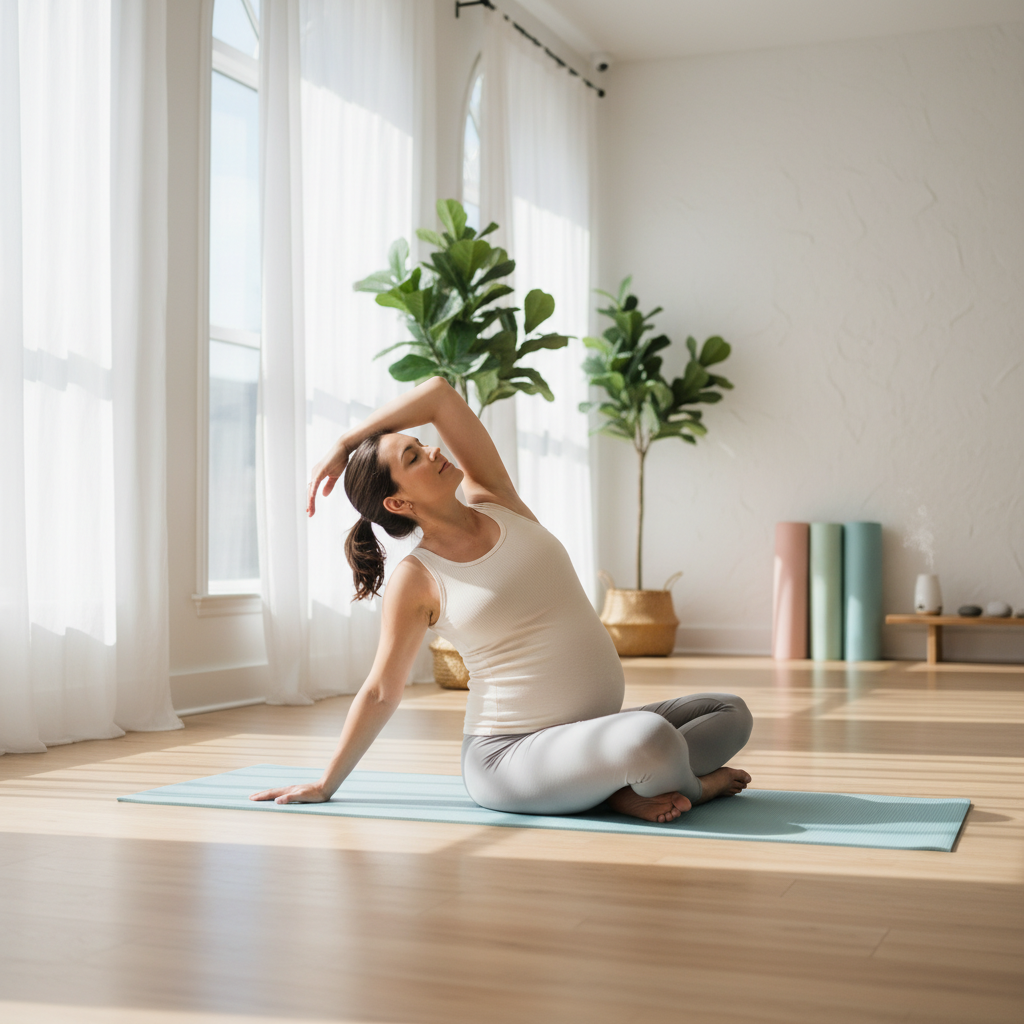
Prenatal Pilates: Strengthening Without Strain
Prenatal Pilates offers expecting mothers a safe, effective way to strengthen their changing bodies while preparing for childbirth. Research shows this specialized exercise form can reduce cesarean section rates by 33% and decrease labor duration by nearly an hour, making it a valuable addition to your pregnancy wellness routine.
Key Highlights
Here’s what makes prenatal Pilates an excellent choice during pregnancy:
- Reduces cesarean section rates by up to 33% compared to non-exercising pregnant women
- Decreases average labor duration by approximately 56 minutes
- Strengthens the pelvic floor muscles crucial for labor and postpartum recovery
- Alleviates common pregnancy discomforts, particularly back pain
- Provides safe exercise options throughout all trimesters with proper modifications
Understanding Your Body’s Changes
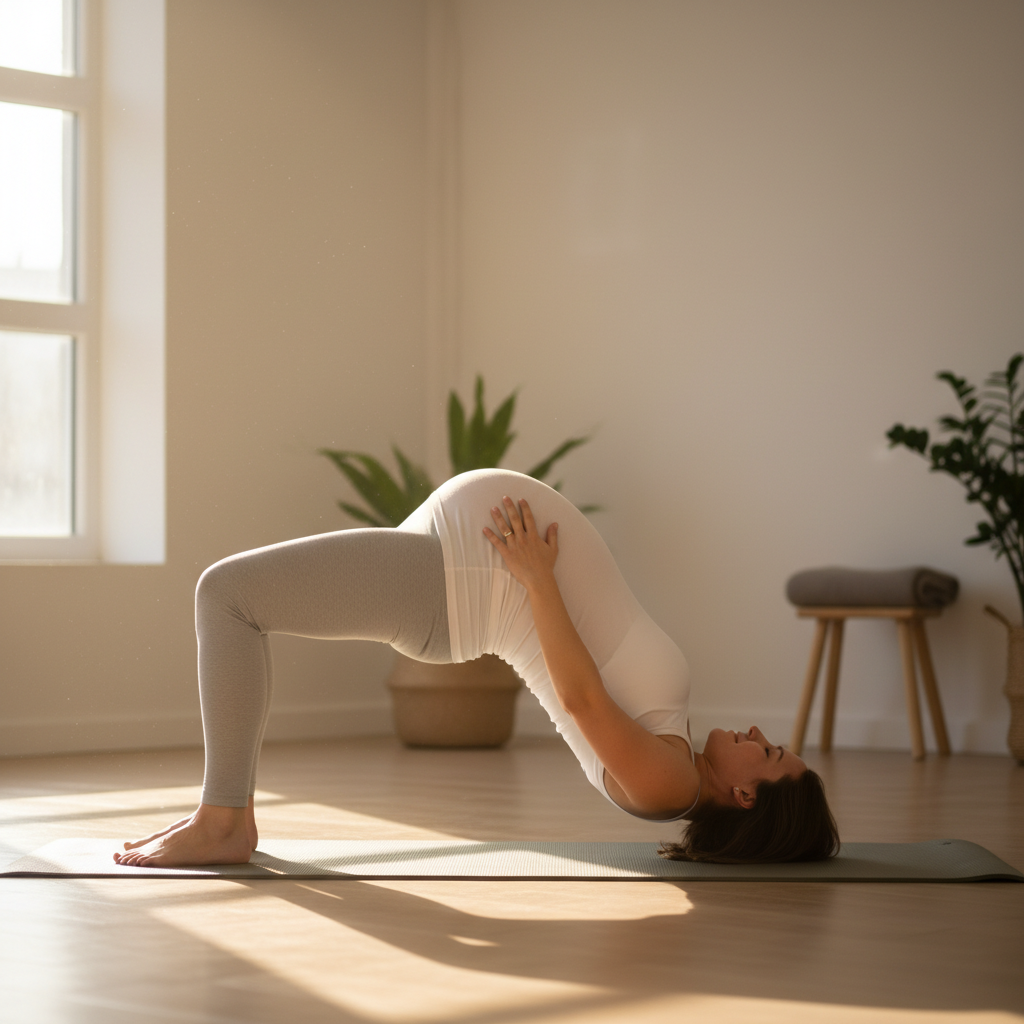
During the second trimester, your body undergoes significant changes that affect how you move and exercise. The hormone relaxin, which increases during pregnancy, loosens your ligaments and joints to prepare for childbirth. This natural process, while necessary, can make you more susceptible to injury during exercise if movements aren’t properly modified. Your body’s center of gravity also shifts as your baby grows, creating postural changes that can lead to discomfort in your back, hips, and pelvis.
Prenatal Pilates addresses these changes by focusing on controlled, deliberate movements that respect your body’s new limitations while building functional strength. According to the American College of Obstetricians and Gynecologists, exercise during pregnancy can improve posture, decrease common discomforts, and promote muscle tone and strength. The gentle yet effective nature of Pilates makes it particularly well-suited for the pregnant body, as it can be easily modified to accommodate your changing needs without placing undue stress on loosened joints.
The Core Canister Approach
Traditional core exercises often focus on achieving visible abdominal muscles, but prenatal Pilates takes a more functional approach through the “core canister” concept. This holistic view encompasses the diaphragm at the top, the pelvic floor at the bottom, and the deep transverse abdominis muscle that wraps around your middle like a corset. Together, these muscles create stability and support for your growing baby.
During pregnancy, especially as you move deeper into your second trimester, traditional abdominal exercises can potentially cause diastasis recti—a separation of the rectus abdominis muscles. Prenatal Pilates focuses instead on strengthening the transverse abdominis and pelvic floor, which provides better support for your pregnancy while reducing the risk of abdominal separation. The Journal of Women’s Health Physical Therapy notes that appropriate core exercises during pregnancy can maintain functional strength without compromising maternal or fetal health.
Adapting Pilates Through Pregnancy
As your pregnancy progresses, your Pilates practice needs to evolve accordingly. During the 2nd month pregnancy, when many women are still adapting to early pregnancy symptoms, gentle movements that focus on building awareness of the core canister are ideal. The emphasis should be on establishing proper breathing techniques and finding comfortable positions that will serve as the foundation for later practice.
By the time you reach the second trimester, you’ll need to avoid exercises that require lying flat on your back for extended periods, as this position can compress the vena cava and reduce blood flow to your heart and baby. Instead, incorporate modified versions using props like wedges or pillows, or transition to side-lying and seated positions. Research published in the Journal of Physiotherapy demonstrates that women who participated in supervised Pilates during pregnancy reported less back pain and improved quality of life compared to those who didn’t exercise.
Managing Pregnancy Discomforts
One of the most appreciated benefits of prenatal Pilates is its effectiveness in addressing common pregnancy discomforts. Pregnancy headaches second trimester often result from postural changes, tension, and hormonal fluctuations. Pilates exercises that focus on upper back, neck, and shoulder mobility can help reduce the frequency and intensity of these headaches by improving alignment and releasing tension in these areas.
Prenatal Pilates also provides relief for lower back pain, which affects up to 70% of pregnant women according to the American Pregnancy Association. The focus on pelvic stability and core strength creates better support for your spine as your center of gravity shifts. Specific exercises targeting the glutes and hip stabilizers can help maintain proper pelvic alignment, reducing strain on your lower back. For persistent discomfort, consider combining your Pilates practice with other safe ways to relieve back and hip pain during this trimester.
Preparing for Safe Practice

Before starting prenatal Pilates, obtain clearance from your healthcare provider, particularly if you have any pregnancy complications. Once cleared, seek instruction from qualified professionals with specific prenatal training. The Pilates Method Alliance emphasizes that instructors should have specialized education in prenatal modifications to ensure exercises are appropriate for each stage of pregnancy.
Each session should include proper warm-up and cool-down routines to prepare your body and reduce any risk of injury. Listen closely to your body during practice and be aware of warning signs that indicate you should stop exercising immediately. These include dizziness, chest pain, headache, muscle weakness, calf pain or swelling, vaginal bleeding, decreased fetal movement, or difficulty breathing before exertion. The American College of Sports Medicine recommends staying well-hydrated and avoiding overheating during prenatal exercise.
Pilates as Birth Preparation
Beyond physical benefits, prenatal Pilates offers mental preparation for childbirth through its focus on breathing techniques and body awareness. Controlled breathing is central to both Pilates and labor management, making your practice sessions an opportunity to develop skills you’ll use during delivery. The mind-body connection emphasized in Pilates can help you respond to your body’s signals more effectively during labor.
The stamina built through regular Pilates practice provides valuable endurance for the physical demands of childbirth. Research in the Journal of Obstetric, Gynecologic & Neonatal Nursing found that women who participated in regular exercise during pregnancy reported feeling more prepared for labor and experienced less fatigue during delivery. Additionally, the body awareness developed through Pilates helps you understand how to engage specific muscles for pushing while relaxing others, potentially making the birthing process more efficient.
Continuing Your Journey
Prenatal Pilates offers a thoughtful approach to exercise that honors your changing body while preparing you for the physical demands of childbirth. By focusing on functional strength, proper alignment, and deep core stability, you’re not just staying active during pregnancy—you’re building specific skills that support both your pregnancy journey and recovery after birth. Remember that consistency matters more than intensity, and with proper guidance, Pilates can be a safe, effective form of movement throughout all three trimesters.
Sources
American College of Obstetricians and Gynecologists – Exercise During Pregnancy
Journal of Women’s Health Physical Therapy
American Pregnancy Association – Back Pain During Pregnancy
American College of Sports Medicine – Exercise During Pregnancy