
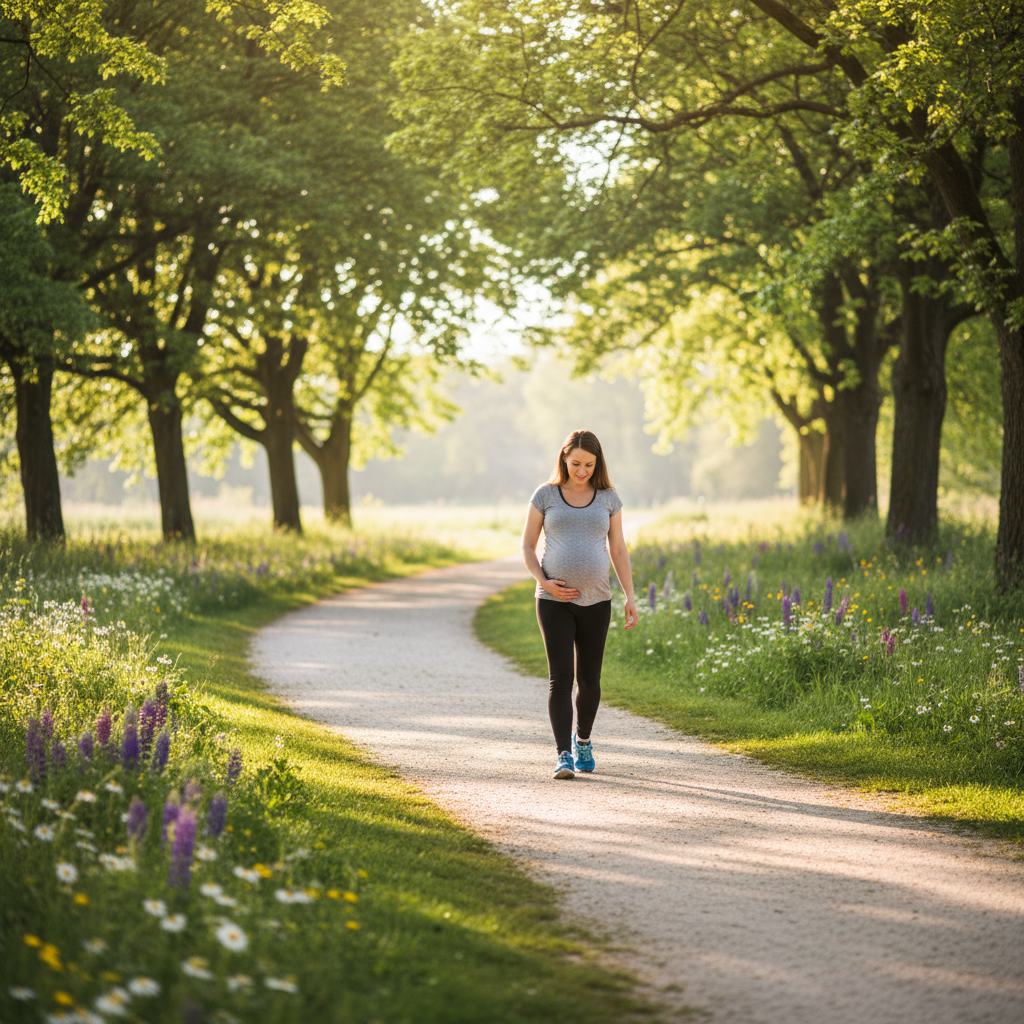
Walking During Pregnancy – Your Second Trimester Exercise Solution
Walking during pregnancy offers a perfect balance of gentle exercise and significant health benefits as your body undergoes remarkable changes. As you navigate the second trimester, this simple activity provides an accessible way to stay active while supporting your changing body and growing baby.
Key Highlights
Here’s why walking should be part of your pregnancy routine:
- Boosts mood and reduces pregnancy-related stress and anxiety
- Helps manage weight gain and lowers risk of gestational diabetes
- Relieves common discomforts like back pain and swelling
- Can be easily adjusted to your energy levels and physical changes
- Requires minimal equipment while offering maximum benefits
The Mood-Boosting Magic of Pregnancy Walks

Walking triggers the release of endorphins, your body’s natural mood elevators, which can be particularly beneficial during the emotional shifts of pregnancy. These feel-good hormones help combat the mood swings that often accompany the second trimester, providing a natural way to lift your spirits. According to the American College of Obstetricians and Gynecologists, just 30 minutes of walking can significantly reduce stress and anxiety levels, which many women experience as they adapt to their changing bodies.
The rhythmic nature of walking also creates a meditative effect that can help clear your mind and provide perspective during this transformative time. Many expectant mothers report that their daily walks become cherished moments of connection with their baby, offering quiet time to bond and reflect. This emotional benefit complements the physical advantages, creating a holistic approach to pregnancy wellness that supports both mind and body during this special time.
Benefits Beyond Mood: Mental Clarity
Walking during pregnancy doesn’t just improve your mood – it can help combat the “pregnancy brain” fog that many women experience. The increased blood flow and oxygen circulation from regular walking helps sharpen mental focus and improve cognitive function. Research from the Journal of Cognitive Neuroscience indicates that aerobic exercises like walking can enhance brain function and help maintain mental clarity.
For many expectant mothers experiencing pregnancy headaches second trimester, walking in fresh air can provide natural relief without medication. The gentle activity helps regulate blood pressure and reduce tension that often contributes to headaches. This natural approach to symptom management aligns perfectly with many women’s preference for non-pharmaceutical solutions during pregnancy. If you’re struggling with mental fatigue, learning how to manage mental fatigue in the second trimester can complement your walking routine for even better results.
Health Benefits for You and Baby

Walking during the 2nd trimester helps manage healthy weight gain, supporting your body’s changing needs while preventing excessive pounds that could complicate your pregnancy. This gentle exercise helps your body process glucose more efficiently, reducing your risk of developing gestational diabetes by up to 30% according to studies published in the American Journal of Obstetrics and Gynecology. Regular walking also helps maintain healthy blood pressure levels, decreasing the likelihood of pregnancy-induced hypertension and preeclampsia.
For your developing baby, the benefits are equally impressive. The improved circulation from walking ensures optimal oxygen and nutrient delivery to your placenta, supporting healthy fetal development. Research suggests that babies whose mothers exercised regularly during pregnancy tend to have healthier birth weights and may even experience developmental advantages. These benefits highlight why walking is considered one of the best low-impact cardio workouts for the second trimester, providing significant rewards with minimal risk.
Goodbye Pregnancy Discomforts
Walking can be remarkably effective at easing common pregnancy discomforts that often peak during the second trimester. The gentle motion helps alleviate back pain by strengthening core muscles and improving posture, which becomes increasingly important as your center of gravity shifts. Many women notice a significant reduction in back discomfort after establishing a regular walking routine, particularly when combined with proper supportive footwear.
Struggling with swollen ankles and feet? Walking improves circulation and helps reduce fluid retention by encouraging blood flow back to your heart rather than pooling in your extremities. The rhythmic leg movement also stimulates your digestive system, helping to prevent constipation – another common complaint during this stage. By addressing these physical discomforts naturally, walking offers a simple solution that improves your daily comfort without the need for medications or interventions, making your pregnancy journey more enjoyable and less challenging.
Creating Your Pregnancy Walking Routine

Establishing a sustainable walking routine during pregnancy requires flexibility and attention to your body’s changing needs. Aim for about 30 minutes of walking daily, but remember that this can be broken into shorter 10-15 minute sessions if that works better with your energy levels or schedule. Even during the 2nd month pregnancy, when you might be adjusting to pregnancy, short walks can build a foundation for your second trimester routine.
Start each walk slowly to warm up your muscles and joints, gradually increasing your pace to a comfortable level that allows you to maintain a conversation – this “talk test” ensures you’re not overexerting yourself. As your pregnancy progresses, you may need to adjust your expectations and pace, which is perfectly normal. Listen to your body and don’t push through pain or extreme fatigue. If you’ve been following other exercise routines, you might need to safely modify workouts in the second trimester as your body changes.
Safety First: Walking Wisely
Safety should always be your priority when walking during pregnancy. Invest in supportive shoes with good arch support and cushioning to protect your feet and joints, which are under increased pressure during pregnancy. Consider specialized maternity walking shoes if you notice regular footwear becoming uncomfortable as your pregnancy progresses.
Stay well-hydrated before, during, and after your walks, carrying water with you to sip regularly. Wear loose, breathable clothing in layers that you can adjust as needed, and always apply sunscreen when walking outdoors. Choose safe walking routes with even surfaces to minimize the risk of falls, particularly important as your center of gravity shifts. If you experience any warning signs during your walk – such as dizziness, shortness of breath, chest pain, headache, muscle weakness, calf pain or swelling, or uterine contractions – stop immediately and contact your healthcare provider. Regular communication with your doctor about your exercise routine ensures your walking program remains safe throughout your pregnancy journey.
Conclusion
Walking offers a simple yet powerful way to support your health and wellbeing throughout your second trimester. This accessible exercise adapts to your changing body while providing impressive benefits for both you and your developing baby. By incorporating regular walks into your routine, you’re not just staying active – you’re investing in a healthier pregnancy, smoother delivery, and stronger postpartum recovery. Start where you are, progress gradually, and enjoy the journey one step at a time.
Sources
American College of Obstetricians and Gynecologists – Exercise During Pregnancy
Mayo Clinic – Pregnancy and Exercise
Journal of Physical Activity and Health – Benefits of Exercise During Pregnancy