
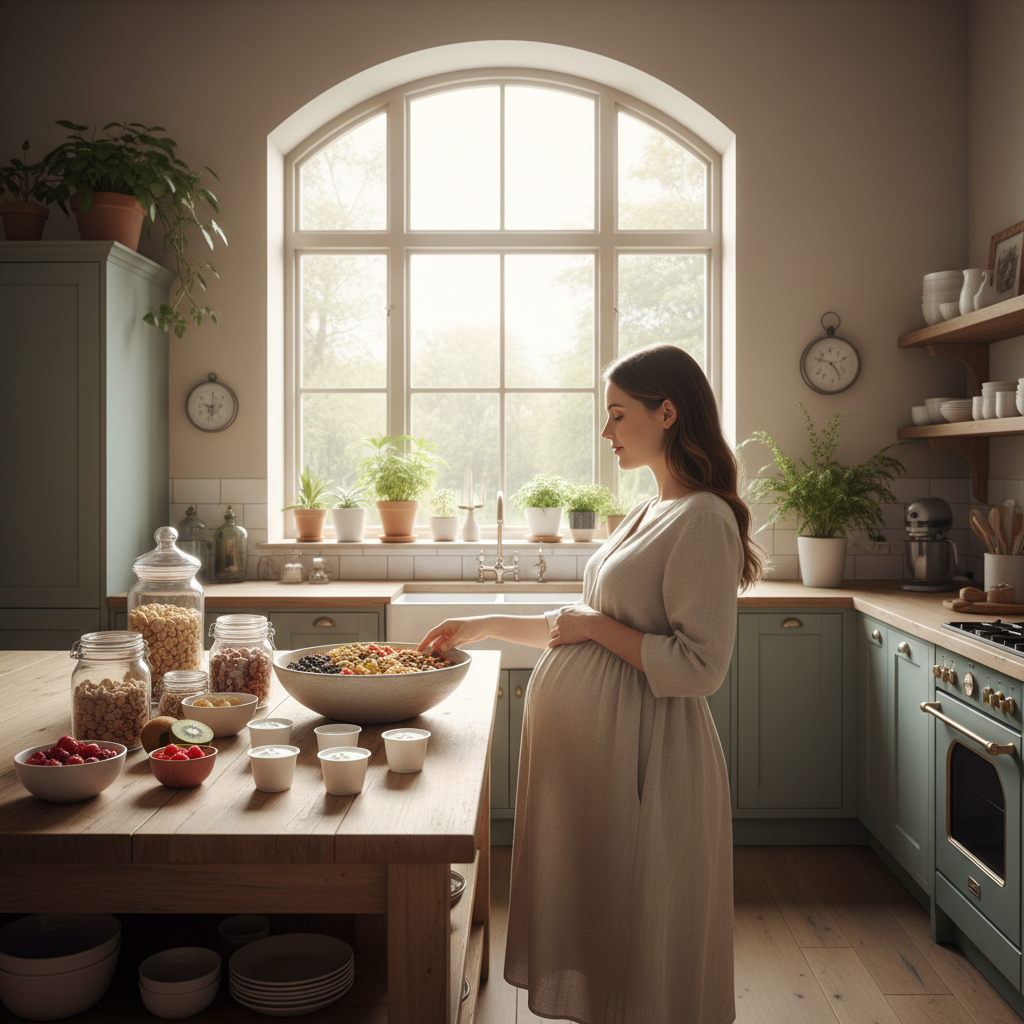
Safe Snacking During Pregnancy: Keeping You and Baby Nourished Between Meals
During pregnancy, your body works around the clock to support your growing baby, requiring additional calories and nutrients throughout the day. Smart snacking during pregnancy is not just about satisfying hunger—it’s a strategic approach to maintaining energy levels, stabilizing blood sugar, and ensuring your baby receives consistent nourishment.
Key Highlights
Here’s what you need to know about healthy snacking during the second trimester and beyond:
- Aim for nutrient-dense snacks containing 150-250 calories with a combination of protein, fiber, and healthy fats
- Strategic snacking helps manage blood sugar levels and prevents energy crashes common during pregnancy
- Most pregnant women benefit from adding 2-3 planned snacks between meals
- The timing of snacks (mid-morning and mid-afternoon) can help combat fatigue and nausea
- Simple food pairings like fruit with protein or whole grains with healthy fats create balanced mini-meals
Understanding Changes: Why Pregnancy Increases Your Need for Snacks

As you enter the second trimester, your body undergoes significant metabolic changes that can affect your hunger patterns. Your blood volume increases by almost 50%, your metabolic rate rises, and your body works harder to supply nutrients to your growing baby. These physiological changes mean you need about 340 additional calories daily during the second trimester, according to the American College of Obstetricians and Gynecologists. Rather than consuming these extra calories in three large meals, spreading them throughout the day with strategic snacks helps maintain stable blood sugar and energy levels.
Many women notice heightened hunger between 2-4 PM when blood sugar naturally dips. This afternoon energy slump can feel more pronounced during pregnancy as your body works overtime. Snacking isn’t just about satisfying hunger—it’s a biological necessity that supports your changing metabolism. By having planned snacks ready, you can prevent the extreme hunger that often leads to less nutritious food choices. The goal is to maintain steady energy rather than cycling through energy peaks and crashes that can leave you feeling exhausted.
Understanding Changes: The Nutrition Formula for Perfect Pregnancy Snacks
The ideal pregnancy snack follows a simple formula: combine protein (7-15g), fiber (3-5g), and a small amount of healthy fat to create a mini-meal that sustains energy and satisfies hunger. This combination helps slow digestion and provides a steady release of nutrients to you and your baby. A balanced snack might include Greek yogurt with berries and a sprinkle of nuts, or whole-grain crackers with hummus and vegetable sticks.
Protein is particularly important in pregnancy snacks as it helps build your baby’s developing tissues and supports your changing body. Foods like eggs, dairy, nuts, seeds, and legumes make excellent snack bases. Pair these with fiber-rich fruits, vegetables, or whole grains to promote digestive health and prevent constipation—a common pregnancy complaint. Adding a small amount of healthy fat from sources like avocados, nuts, or olive oil helps you absorb fat-soluble vitamins and provides essential fatty acids for your baby’s brain development. This balanced approach ensures each snack contributes meaningfully to your daily nutrition needs.
Your Body & Baby: How Snacking Supports Maternal and Fetal Health

Strategic snacking plays a crucial role in managing common pregnancy headaches second trimester women often experience. These headaches frequently stem from fluctuating blood sugar or dehydration—both issues that well-timed snacks can help address. By maintaining stable blood sugar through regular eating, you can potentially reduce the frequency and severity of these headaches. Pairing a carbohydrate source with protein every 3-4 hours helps prevent the sharp drops in blood sugar that can trigger headaches and irritability.
Your growing baby benefits from consistent nutrient delivery throughout the day rather than large spikes of food followed by long gaps. The placenta continuously transfers nutrients to your baby, so maintaining steady blood glucose and nutrient levels through regular snacking ensures optimal nourishment. Studies show that stable maternal blood sugar contributes to appropriate fetal growth patterns. Additionally, strategic snacking can help manage pregnancy symptoms like nausea, heartburn, and fatigue by preventing your stomach from becoming too empty or too full—both situations that can worsen digestive discomfort.
Your Body & Baby: Timing Snacks for Maximum Benefit
The timing of your snacks can be just as important as their nutritional content. Most pregnant women benefit from a mid-morning snack (around 10 AM) and a mid-afternoon snack (around 3 PM) to bridge the gap between meals and prevent excessive hunger. Some may also need a light evening snack, especially if dinner is early and bedtime is late. This schedule helps maintain energy levels throughout the day and can prevent overeating at main meals.
For women experiencing morning sickness that continues into the 2nd month pregnancy period and beyond, eating small amounts frequently can be especially beneficial. Having a simple snack like crackers or dry toast before getting out of bed can help settle your stomach. If you’re dealing with heartburn or indigestion, which becomes more common as pregnancy progresses, try to finish your evening snack at least two hours before bedtime and choose options that aren’t spicy, acidic, or high in fat. Listen to your body’s hunger signals and adjust your snacking schedule accordingly—pregnancy isn’t the time for rigid eating rules, but rather mindful attention to your changing needs.
Healthy Living Tips: Top Pregnancy-Friendly Snack Combinations

Creating satisfying pregnancy snacks doesn’t need to be complicated. These simple combinations provide balanced nutrition with minimal preparation:
- Apple slices with 1-2 tablespoons of nut butter for vitamin C, fiber, protein, and healthy fats
- Greek yogurt topped with berries and a tablespoon of chopped walnuts for calcium, protein, antioxidants, and omega-3 fatty acids
- Whole grain crackers with hummus and cucumber slices for complex carbohydrates, plant protein, and hydration
- Hard-boiled egg with a piece of fruit for complete protein, choline (essential for baby’s brain development), and quick energy
- Smoothie made with milk, frozen fruit, and a handful of spinach for calcium, vitamins, and a cooling treat during the 2ns trimester
Pre-portioning these snacks at the beginning of the week can make healthy choices easier when hunger strikes. Keep a container of washed, cut vegetables in the refrigerator, portion nuts into small containers, or prepare overnight oats in jars for grab-and-go options. Having nutritious choices readily available helps you avoid less nutritious convenience foods when you’re hungry. Remember that pregnancy snacks should be both nourishing and enjoyable—this is not the time for bland “diet” foods but rather satisfying mini-meals that support your health and your baby’s development.
Healthy Living Tips: Special Considerations for Common Pregnancy Conditions
Different pregnancy conditions may require adjustments to your snacking strategy. If you’re managing gestational diabetes, work with your healthcare provider to develop a personalized eating plan that likely includes carefully timed snacks with specific carbohydrate counts. Typically, these snacks will have a higher protein-to-carbohydrate ratio to help manage blood sugar. Good options include cheese with a few whole-grain crackers or vegetables with hummus.
For women experiencing acid reflux or heartburn, especially common in the later stages of pregnancy, smaller, more frequent meals and snacks can help minimize discomfort. Choose non-acidic options and avoid lying down immediately after eating. If nausea continues beyond the first trimester, try snacks with ginger, which has natural anti-nausea properties, such as ginger tea with whole-grain toast. Women experiencing constipation should focus on fiber-rich snacks paired with plenty of water. Regardless of your specific pregnancy symptoms, maintaining a food journal for a few days can help you identify which snacks make you feel your best and which might trigger discomfort. This personalized approach allows you to tailor your snacking strategy to your unique pregnancy experience.
Conclusion: Mindful Snacking for a Healthy Pregnancy Journey
Thoughtful snacking during pregnancy is more than just satisfying hunger—it’s a form of self-care that supports your changing body and your baby’s development. By choosing nutrient-dense options, timing your snacks strategically, and adjusting your approach based on your unique needs, you create a foundation for steady energy and optimal nourishment. Remember that pregnancy eating isn’t about perfection but rather consistency and balance.
As you continue through your pregnancy journey, view snacking as a positive opportunity to nourish yourself and your baby rather than something to feel guilty about. Your body has increased nutritional demands, and responding to those needs with thoughtfully planned snacks is both responsible and necessary. Trust your hunger signals, make mostly nutritious choices, and enjoy the occasional treat without worry. The habits you develop now not only support your pregnancy but also lay the groundwork for healthy family eating patterns in the future.
Sources
American College of Obstetricians and Gynecologists – Nutrition During Pregnancy
Academy of Nutrition and Dietetics – Healthy Weight During Pregnancy
Mayo Clinic – Pregnancy Nutrition
American Pregnancy Association – Pregnancy Nutrition
Centers for Disease Control and Prevention – Pregnancy Complications