

The Benefits of Prenatal Yoga at 20 Weeks
The 20-week mark in pregnancy represents an ideal window to begin or deepen your prenatal yoga practice as energy levels typically increase after first trimester fatigue subsides. This midpoint in the second trimester offers unique opportunities to connect with your changing body while building strength and flexibility that will support you through the remainder of your pregnancy.
Key Highlights
Here’s why prenatal yoga at 20 weeks can be especially beneficial:
- Addresses the changing center of gravity and postural shifts specific to mid-pregnancy
- Strengthens core, pelvic floor, and hip muscles that support your growing baby
- Reduces lower back pain common during the second trimester
- Prepares the body for labor with gentle hip-opening poses
- Promotes stress reduction and emotional well-being through mindfulness and breathing techniques
Understanding Your Changing Body
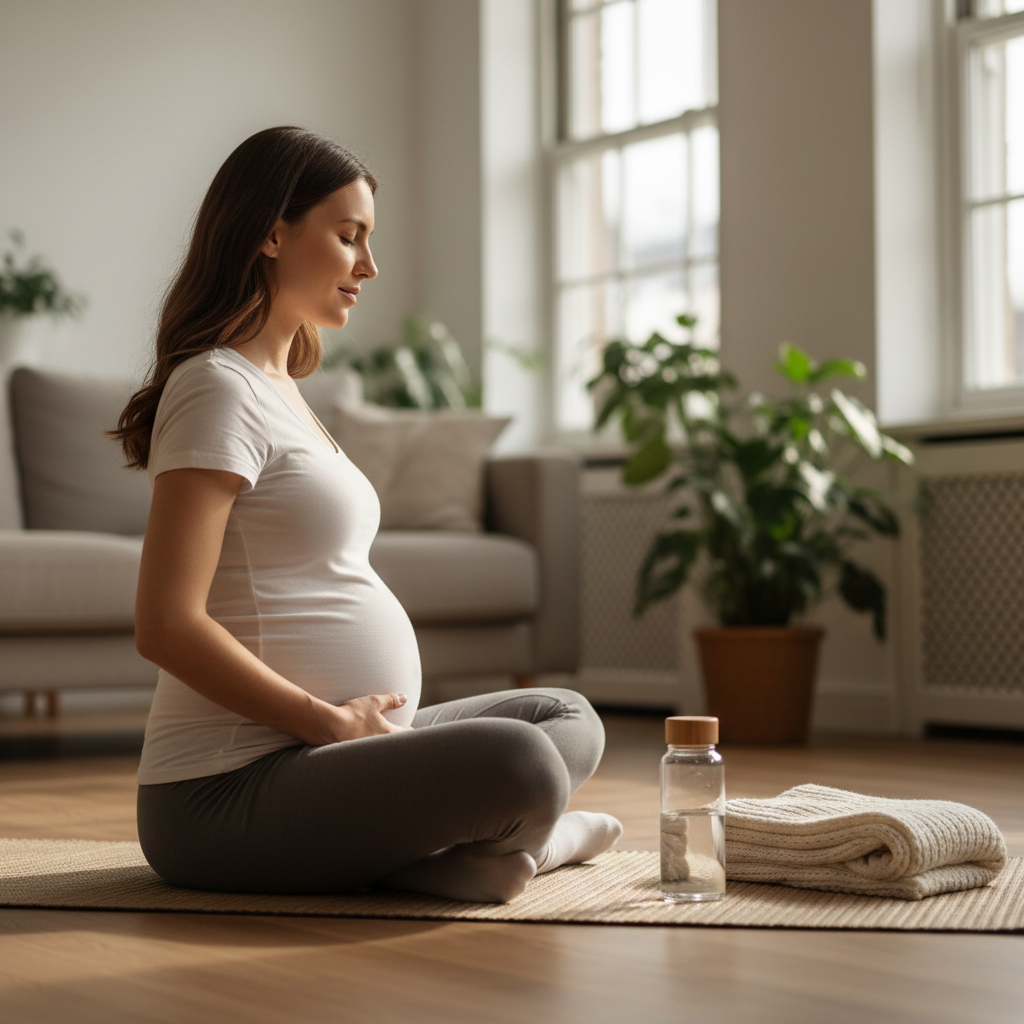
At 20 weeks, your body is undergoing significant changes as your baby grows and your center of gravity shifts forward. Your expanding uterus may cause your posture to change, often resulting in an increased curve in your lower back. Prenatal yoga helps address these specific changes by strengthening the muscles that support your new posture while improving balance and stability.
According to the American College of Obstetricians and Gynecologists, yoga is considered a safe exercise option during pregnancy when properly modified. The gentle movements and stretches in prenatal yoga classes are specifically designed to accommodate your growing belly while promoting proper alignment. These modifications become particularly important during the second trimester when your body is changing more visibly.
Building Strength Where You Need It Most
During the 20-week mark, prenatal yoga focuses on building strength in key areas that support your pregnancy. The practice targets deep core muscles, the pelvic floor, and hip rotators—all crucial for maintaining comfort as your pregnancy advances. These are precisely the muscle groups that help stabilize your pelvis and support your spine as your baby continues to grow.
The strength gained through regular practice isn’t just beneficial in yoga class—it translates directly to improved comfort in daily activities. Many women report better balance, less fatigue, and greater ease in movement after establishing a consistent yoga routine. By focusing on these supportive muscles now, you’re creating a foundation that will serve you well throughout your pregnancy and beyond.
Relieving Common Discomforts

Lower back pain is particularly common during pregnancy headaches second trimester, making relief strategies essential for comfort. Prenatal yoga addresses the biomechanical stressors that contribute to this pain through poses that create length in the spine and release tension in the lower back. Research from the Journal of Physiotherapy has shown that pregnant women who practice yoga experience significant reductions in back pain compared to those who don’t.
Hip-opening poses are especially valuable at this stage, as they help prepare your body for the later demands of childbirth. These gentle stretches create more space in the pelvis while improving circulation to the area. Many women find that consistent practice of these poses helps alleviate sciatic nerve pain that may develop as pregnancy progresses.
Connecting With Your Baby
The 20-week mark often coincides with feeling your baby’s movements more consistently, making it a wonderful time to deepen your connection through mindful movement. Prenatal yoga encourages awareness of your body and baby during practice, creating special moments to bond with your little one. Many practitioners report that their babies seem to respond to the rhythmic movements and deep breathing of yoga sessions.
Yoga also provides tools for managing the emotional fluctuations common during the 2nd month pregnancy and beyond. The mindfulness aspects of the practice help you develop resilience against stress and anxiety, creating a more peaceful environment for both you and your baby. Studies published in the Journal of Affective Disorders have found that pregnant women who practice yoga show lower levels of cortisol (the stress hormone) and report better emotional well-being.
Getting Started Safely

When beginning prenatal yoga during the 2nd trimester, it’s important to follow safety guidelines that protect both you and your baby. Look for classes specifically designed for pregnant women and led by instructors certified in prenatal yoga. These specialized classes will provide appropriate modifications for poses that might otherwise put pressure on your abdomen or affect your balance.
If you’re new to yoga, start with gentle classes and learn about safely modifying workouts in the second trimester. Listen to your body and avoid poses that feel uncomfortable or strain your changing body. Some general precautions include avoiding deep twists, poses that compress the abdomen, and extended time lying flat on your back after the first trimester.
A Simple Routine to Try Today
Even a brief, gentle yoga practice can provide benefits for both you and your baby. A simple 10-minute routine might include cat-cow poses to relieve back tension, gentle side stretches to create space for your growing uterus, and modified warrior poses to build leg strength. Complement physical poses with mindful breathing techniques that can later be used during labor.
As your pregnancy progresses, your yoga practice can evolve to meet your changing needs. The foundation you build now at 20 weeks will serve you well as you move through the remainder of your pregnancy and experience the milestones that mark your baby’s growth. Regular practice can also help prepare you for labor and delivery by improving stamina, flexibility, and breathing awareness.
The Journey Forward
Beginning prenatal yoga at 20 weeks provides benefits that extend well beyond your current stage of pregnancy. The strength, flexibility, and mindfulness skills you develop now will support you through the third trimester when your body undergoes even more significant changes. Many women find that the breathing techniques and body awareness learned in prenatal yoga become invaluable tools during labor and delivery.
Beyond physical benefits, regular yoga practice creates space in your busy life to connect with yourself and your baby in a meaningful way. This time of mindful movement and reflection can help you process the emotional journey of pregnancy while preparing for the transitions ahead. Research shows that exercise in the second trimester supports baby’s development in numerous ways, making prenatal yoga a gift to both yourself and your growing child.
Sources
American College of Obstetricians and Gynecologists – Exercise During Pregnancy
Journal of Physiotherapy – Yoga for Back Pain in Pregnancy
Journal of Affective Disorders – Effects of Prenatal Yoga on Maternal Stress