

Designing a Pregnancy Wellness Routine That Fits Your Lifestyle
Pregnancy wellness has evolved from standardized recommendations to personalized approaches that honor individual circumstances and needs. Modern pregnancy care recognizes that each woman’s journey is unique, with different schedules, responsibilities, and physical conditions that influence how she can best care for herself and her growing baby.
Key Highlights
Here’s what you need to know about creating a personalized pregnancy wellness routine:
- Personalized pregnancy care leads to better outcomes and satisfaction for expectant mothers
- The second trimester is an ideal time to establish sustainable wellness routines
- Flexible exercise scheduling can help you achieve the recommended 150 minutes of weekly activity
- Patient-centered prenatal care options include telemedicine and adaptable visit schedules
- Your wellness plan should evolve as your pregnancy progresses and your body changes
Understanding Changes: Reimagining Your Prenatal Care
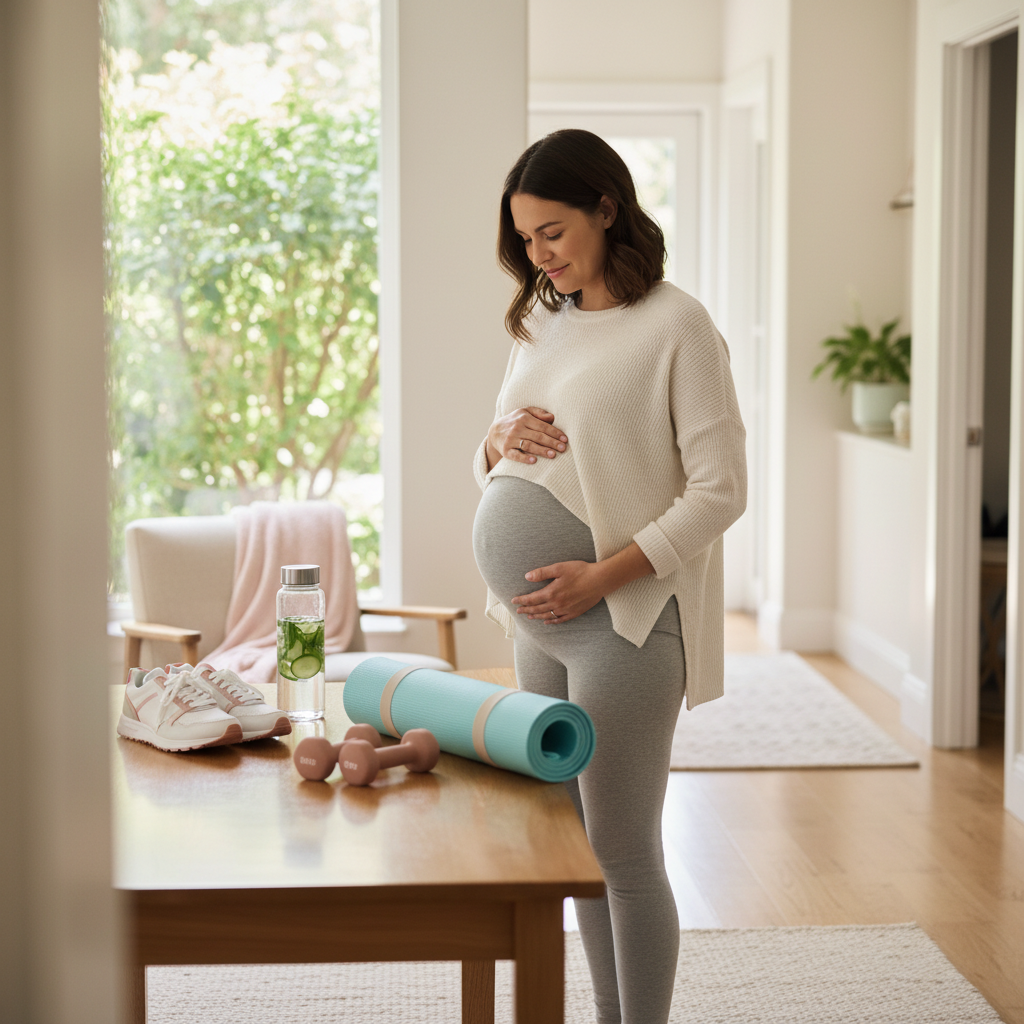
Modern prenatal care has shifted toward more flexible, patient-centered models that accommodate your unique lifestyle and needs. This evolution recognizes that rigid scheduling and one-size-fits-all approaches can create unnecessary barriers to consistent care. According to the American College of Obstetricians and Gynecologists, prenatal care that respects a woman’s time constraints and personal circumstances leads to better attendance and health outcomes.
Many providers now offer options like telemedicine appointments, evening hours, and adjusted visit schedules based on your risk factors and personal needs. This is especially helpful during the 2nd trimester when your pregnancy is typically more stable but your life commitments continue. Don’t hesitate to discuss your schedule constraints with your healthcare provider – most are willing to work with you to ensure you receive proper care without unnecessary disruption to your life.
Understanding Changes: Physical Activity That Fits Your Life
Health guidelines recommend 150 minutes of moderate exercise weekly during pregnancy, but how you achieve this goal should reflect your daily reality. The American Pregnancy Association emphasizes that exercise benefits are cumulative – meaning three 10-minute walks are just as beneficial as one 30-minute session. This flexibility allows you to work around fatigue, work schedules, or childcare responsibilities.
Your pre-pregnancy fitness level matters when designing your routine. If you were highly active before pregnancy, you can generally continue many activities with modifications as needed. If exercise is new to you, start with gentle activities like walking or prenatal yoga and gradually build up duration and intensity. Listen to your body’s signals and remember that some activity is always better than none. Many women find the second trimester ideal for establishing a sustainable fitness routine as morning sickness often subsides and energy levels improve.
Your Body & Baby: Exercise Options For Every Body
Finding physical activities that feel good during pregnancy requires considering your changing body and comfort levels. Walking remains one of the most accessible exercises – it requires no special equipment and can be done almost anywhere. Many women experiencing pregnancy headaches second trimester find that gentle, regular walks can help reduce tension and improve circulation without worsening symptoms.
Swimming and water exercises offer excellent pregnancy workouts as they support your weight, reduce pressure on joints, and prevent overheating. Stationary cycling provides cardiovascular benefits while being gentle on your knees and hips. Strength training with appropriate modifications can help maintain muscle tone that supports your changing posture and prepares your body for labor. The Mayo Clinic recommends working with qualified instructors who understand pregnancy-specific adaptations to ensure safety and effectiveness.
Your Body & Baby: Timing Is Everything
Paying attention to when you schedule wellness activities can make a significant difference in your comfort and consistency. For many women, energy levels fluctuate throughout the day, with mornings often feeling more energetic during the 2nd month pregnancy and beyond. If you experience morning sickness, you might find afternoon or evening activities more feasible.
Breaking exercise into shorter sessions can help you work around fatigue and busy schedules. Try 10-15 minute walks after meals, which not only count toward your activity goals but can also help with digestion and blood sugar management. The Cleveland Clinic suggests avoiding vigorous activity right before bedtime as it might interfere with sleep. Consider incorporating meditation before bed instead, which can help manage stress and improve sleep quality during pregnancy.
Healthy Living Tips: Creating Your Personalized Wellness Foundation
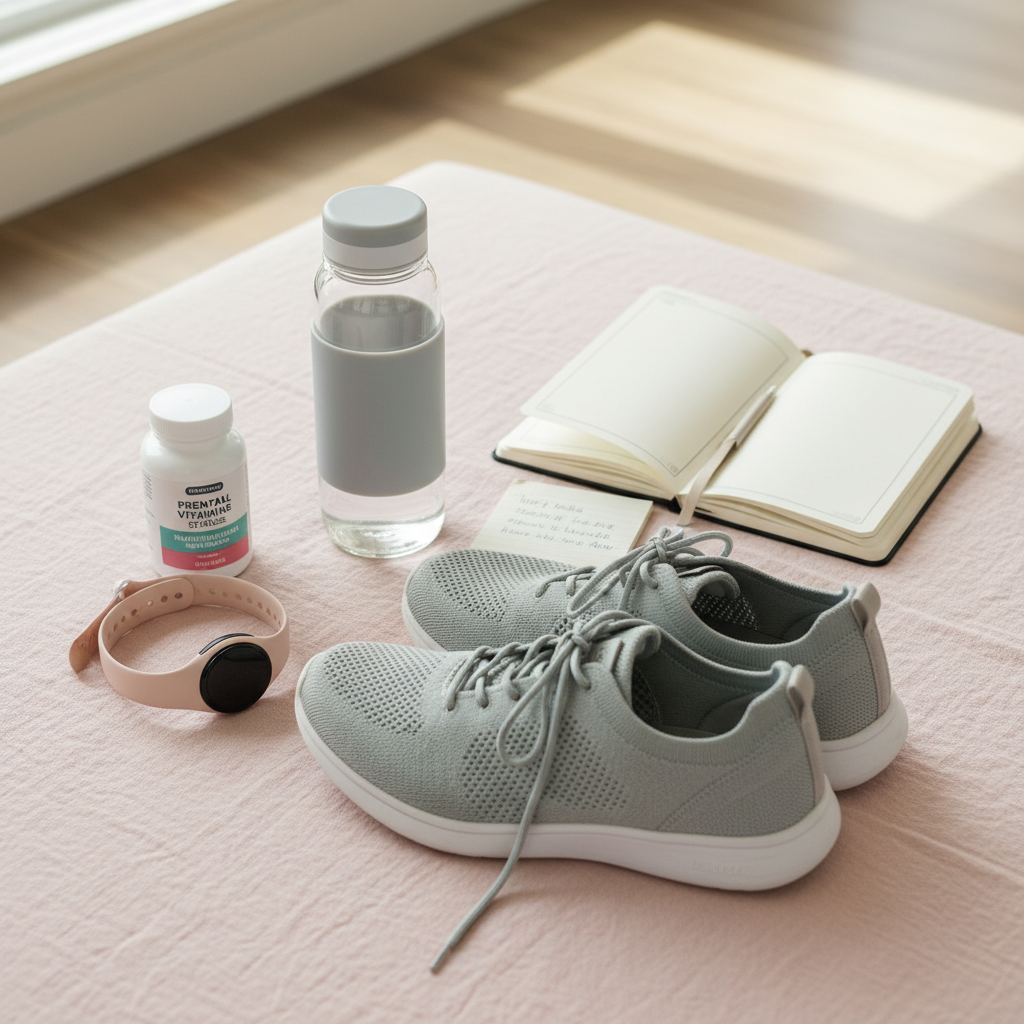
Developing a personalized wellness routine starts with identifying your priorities and constraints. Begin by assessing your current schedule, energy patterns, and responsibilities. Then, consider which aspects of pregnancy wellness matter most to you – whether that’s nutrition, exercise, stress management, or sleep quality. Collaborate with your healthcare provider to ensure your plans support your specific health needs, especially if you have pregnancy complications or pre-existing conditions.
Remember that nutrition forms the foundation of pregnancy wellness. The Academy of Nutrition and Dietetics emphasizes the importance of regular, nutrient-dense meals that support both maternal health and fetal development. Fiber-rich foods can help manage common digestive issues that often occur during pregnancy. Consider batch-preparing healthy snacks and meals when you have energy to support better nutrition during busy or low-energy days.
Healthy Living Tips: Overcoming Common Barriers
Even with the best intentions, real-life challenges can disrupt wellness routines. Transportation difficulties may limit access to prenatal appointments or fitness facilities. Solutions include telehealth options, finding providers closer to home or work, or exploring community resources like ride services specifically for pregnant women.
Work schedules can make regular exercise and meal timing difficult. Consider workplace accommodations you’re entitled to, such as breaks for snacks or brief walks. Childcare responsibilities can be particularly challenging if you’re pregnant with a second or subsequent child. Look into swap arrangements with other parents, family support, or activities that can include your older children. The March of Dimes recommends building a support network early in pregnancy to help address these practical barriers as they arise.
Moving Forward With Confidence
Creating a pregnancy wellness routine isn’t about perfection but about making choices that support your health while respecting your real-life circumstances. As your pregnancy progresses, be prepared to adjust your routine to accommodate your changing body and energy levels. What works in the second trimester may need modification as you enter the third.
Trust yourself to find the right balance between taking care of your baby and managing your daily responsibilities. Remember that small, consistent actions contribute significantly to your overall wellbeing during pregnancy. By personalizing your approach to prenatal care, nutrition, exercise, and stress management, you’re not just supporting a healthy pregnancy – you’re also practicing self-care skills that will serve you well during the postpartum period and beyond.
Sources
- American College of Obstetricians and Gynecologists. “Optimizing Postpartum Care.”
- American Pregnancy Association. “Exercise During Pregnancy.”
- Mayo Clinic. “Pregnancy and exercise: Baby, let’s move!”
- Cleveland Clinic. “Pregnancy: Exercise During Pregnancy.”
- Academy of Nutrition and Dietetics. “Eating Right During Pregnancy.”
- March of Dimes. “Staying active during pregnancy.”