

Designing a Pregnancy Wellness Routine That Fits Your Lifestyle
Pregnancy wellness has evolved from standardized recommendations to more personalized approaches that respect each woman’s unique circumstances and needs. Modern pregnancy care now embraces flexibility and customization, recognizing that what works for one expectant mother may not work for another, especially during the second trimester when energy levels and symptoms can vary widely.
Key Highlights
Here’s what you need to know about creating a pregnancy wellness routine that works for you:
- Personalized prenatal care schedules can accommodate your work and family commitments
- Aim for 150 minutes of weekly moderate exercise, broken into manageable segments
- Exercise options like walking, swimming, and modified strength training can be adapted to your fitness level
- Timing your wellness activities around pregnancy symptoms improves consistency
- Addressing common barriers such as transportation and childcare makes wellness more accessible
Understanding Your Changing Needs
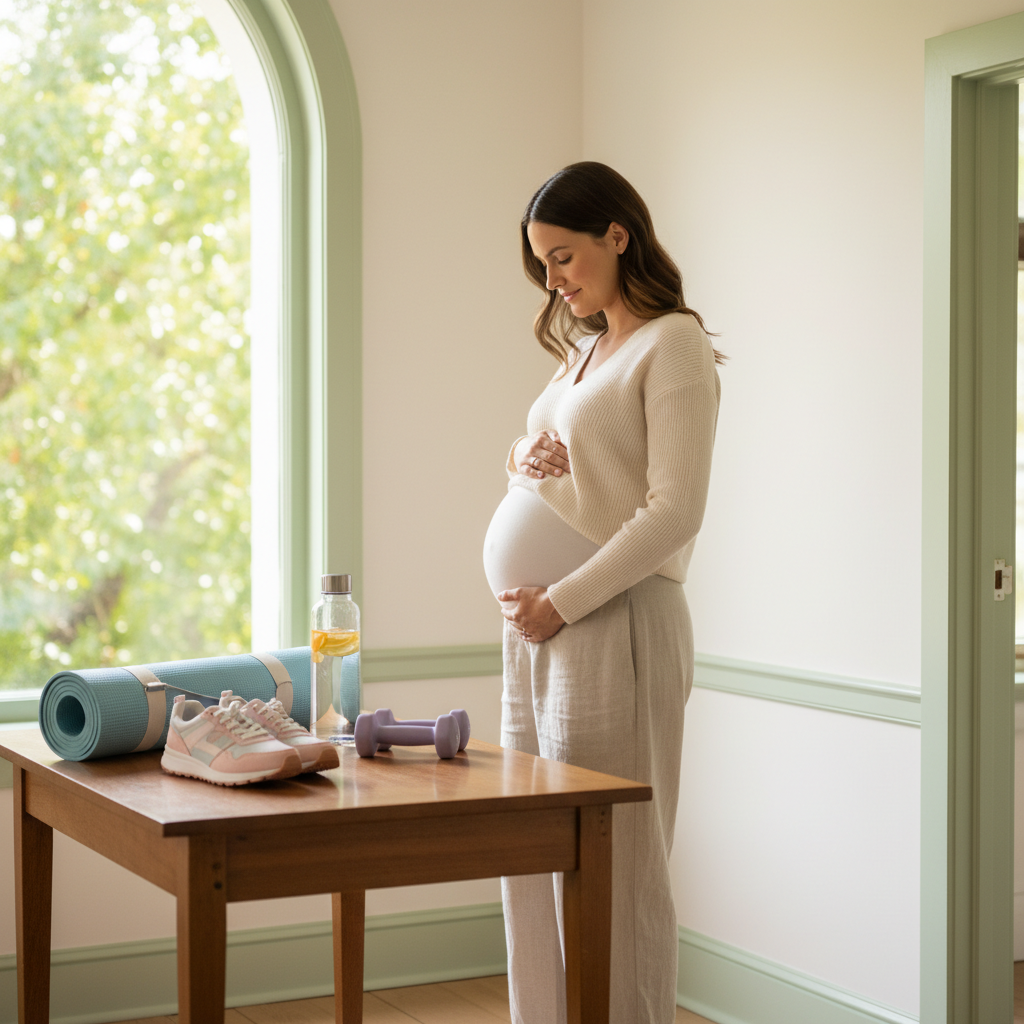
The traditional one-size-fits-all approach to pregnancy care is giving way to more flexible, patient-centered models. According to the American College of Obstetricians and Gynecologists, prenatal care can now include options like telemedicine appointments and flexible visit scheduling that work around your existing commitments. This shift recognizes that women face different challenges based on their work schedules, family responsibilities, and even pregnancy headaches second trimester symptoms that may affect their ability to follow rigid wellness routines.
Collaborating with your healthcare provider is essential to creating a prenatal care plan that respects your individual circumstances. Don’t hesitate to discuss scheduling constraints, transportation challenges, or other barriers you face in attending appointments. Many providers now offer early morning, evening, or weekend appointments, as well as virtual check-ins for appropriate visits. Research shows that when prenatal care accommodates women’s real lives, attendance improves and outcomes remain positive.
Reimagining Physical Activity During Pregnancy
Physical activity guidelines recommend 150 minutes of moderate exercise weekly during pregnancy, but this doesn’t mean you need structured gym sessions. The 2nd trimester often brings renewed energy after first-trimester fatigue, making it an ideal time to establish sustainable movement habits. The key is finding activities that you enjoy and can realistically maintain with your existing commitments.
Consider breaking exercise into shorter, more manageable segments throughout your day. A 10-minute morning walk, afternoon stretch break, and evening yoga session can be more accessible than finding a full hour for exercise. This approach aligns with research showing that accumulated movement throughout the day provides similar benefits to continuous exercise sessions. For women juggling work and family responsibilities, this flexibility can make the difference between consistent activity and abandoning exercise altogether.
Your Body’s Changing Exercise Needs
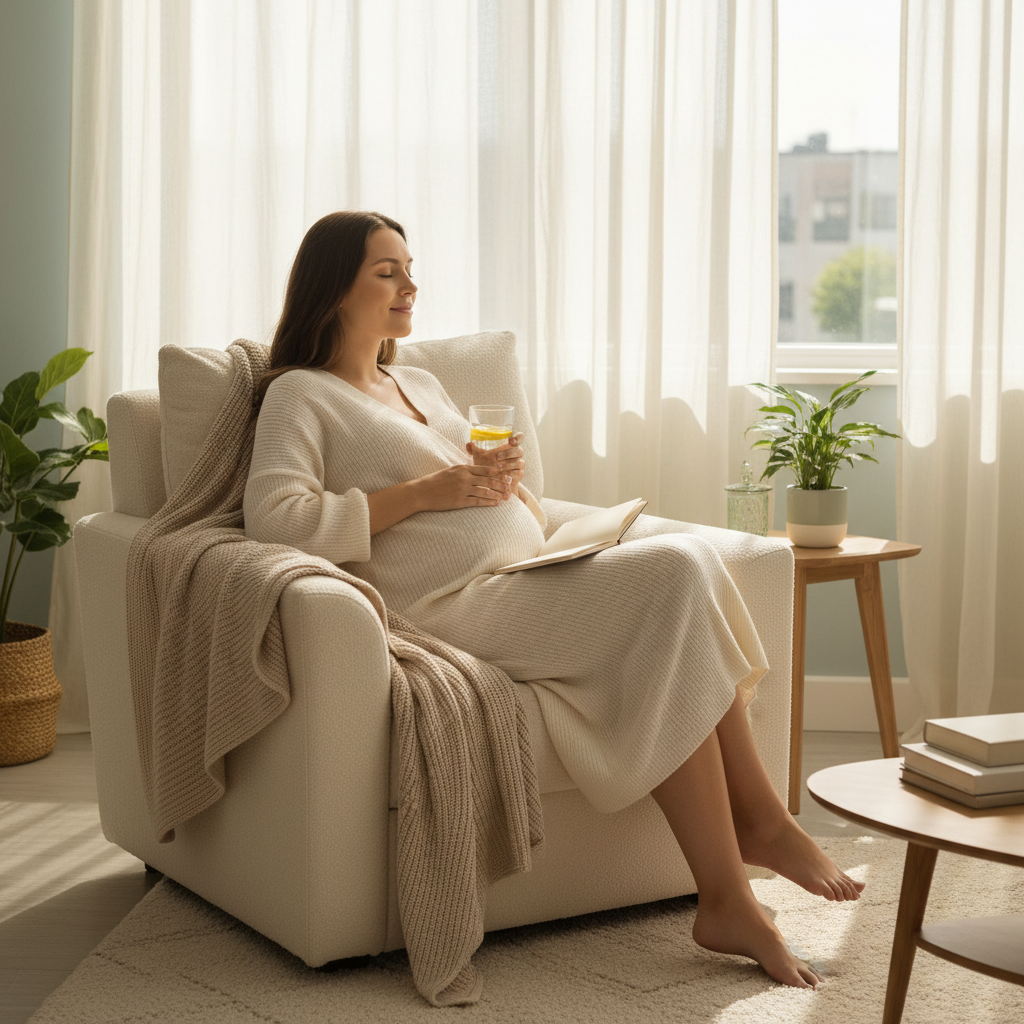
Walking remains one of the most accessible forms of pregnancy exercise, requiring minimal equipment and easily adapted to various fitness levels. Even a 15-minute walk during your lunch break or after dinner contributes meaningfully to your weekly activity goals. For those experiencing joint discomfort or seeking lower-impact options, swimming and water exercises offer excellent alternatives that are particularly gentle during the 2nd month pregnancy period and beyond.
Stationary cycling provides another pregnancy-friendly option that can be done at home or at a gym, allowing you to control intensity while maintaining cardiovascular benefits. Strength training can also be safely modified for pregnancy, focusing on lighter weights and proper form to support your changing body. The sustainable fitness routine you develop now can help prepare your body for labor while managing common pregnancy discomforts.
Timing Wellness Activities Wisely
Flexibility in timing your wellness activities can help you work around pregnancy symptoms and energy fluctuations. If morning sickness affects your early hours, schedule exercise for afternoons when symptoms typically improve. Similarly, if you experience afternoon fatigue, morning or evening might be your optimal activity windows.
Breaking exercise into shorter sessions throughout the day not only accommodates busy schedules but can also help manage energy levels. Research suggests that brief movement breaks can improve circulation, reduce swelling, and enhance mood—all particularly beneficial during pregnancy. Pay attention to your body’s natural rhythms and energy patterns, which may change as your pregnancy progresses. This mindful approach to timing creates a sustainable routine that respects both your health needs and daily commitments.
Building Your Personalized Wellness Foundation
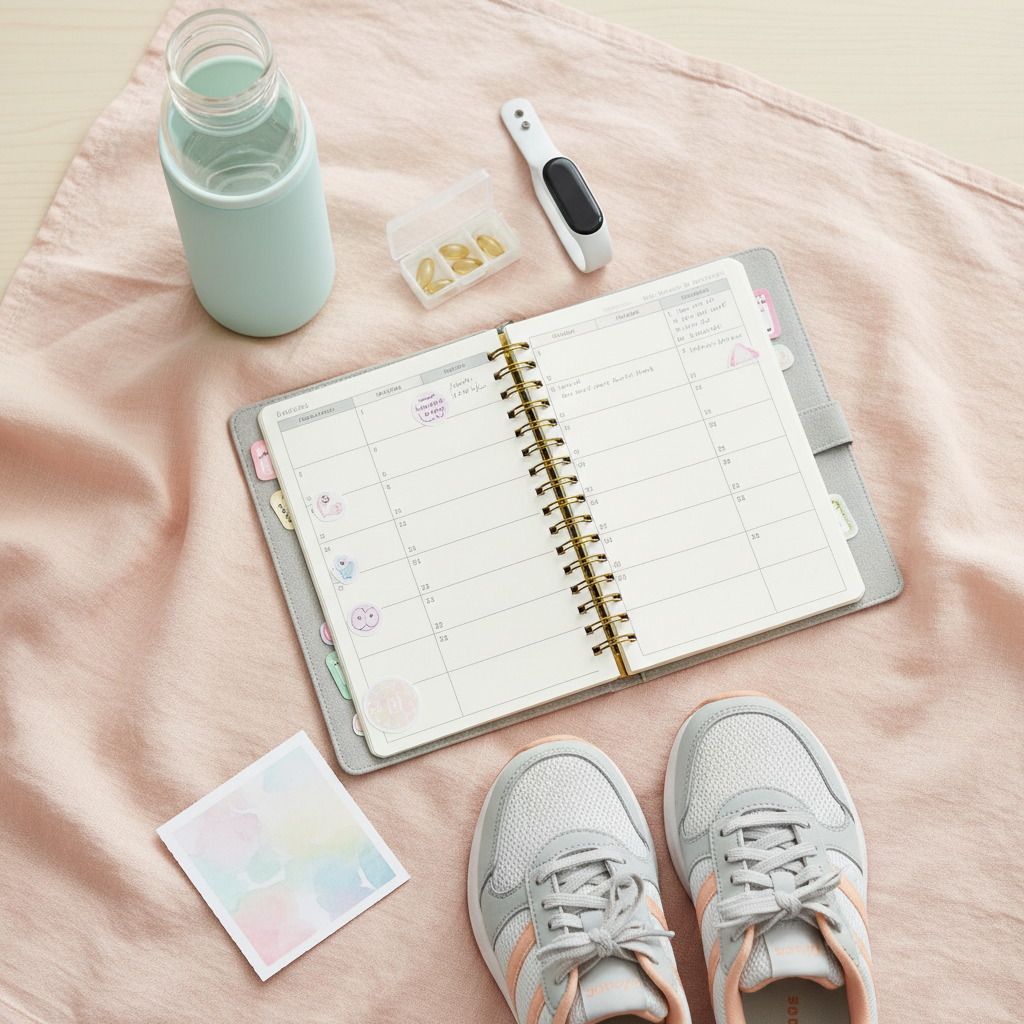
Creating a personalized wellness foundation requires recognizing that your needs may differ from other expectant mothers. Work with your healthcare provider to identify priority areas based on your health history, pregnancy status, and lifestyle factors. This collaborative approach ensures your routine addresses your specific needs while remaining medically appropriate.
Nutrition plays a crucial role in pregnancy wellness, but meal planning and preparation can be challenging with a busy schedule. Consider simple strategies like batch cooking on weekends, keeping healthy snacks readily available, and incorporating fiber-rich foods that support digestive health. Remember that small, consistent improvements to your diet typically yield better results than dramatic overhauls that prove difficult to maintain.
Overcoming Common Wellness Barriers
Transportation challenges, work schedules, and childcare responsibilities frequently create barriers to consistent pregnancy wellness routines. For transportation issues, explore telehealth options, rideshare services, or community transportation programs specifically for medical appointments. If you’re already parenting, look into healthcare facilities that offer childcare during appointments or consider appointment-sharing with friends where you take turns watching children.
Work schedule conflicts require creative solutions and sometimes direct advocacy. Many employers will accommodate reasonable requests for schedule flexibility for prenatal appointments. For ongoing wellness activities, home-based options like prenatal yoga videos or meditation practices that help manage stress can be incorporated regardless of your work demands. The key is identifying your specific barriers and brainstorming practical solutions rather than abandoning wellness efforts altogether.
Moving Forward With Confidence
As you design a pregnancy wellness routine that fits your unique circumstances, remember that flexibility and self-compassion are essential components of success. Your routine will likely need adjustments as your pregnancy progresses and your body continues to change. What worked during early pregnancy might need modification during later trimesters, and that’s completely normal.
Trust your ability to create and adapt a wellness approach that honors both your health needs and life realities. The most effective pregnancy wellness routine isn’t necessarily the most intensive or structured—it’s the one you can actually maintain consistently throughout your pregnancy journey. By focusing on realistic integration rather than perfection, you’re building healthy habits that will serve both you and your baby well beyond pregnancy.
Sources
American College of Obstetricians and Gynecologists – Exercise During Pregnancy
Centers for Disease Control and Prevention – Physical Activity for Pregnant and Postpartum Women
American College of Obstetricians and Gynecologists – Optimizing Prenatal Care