

Boosting Your Baby’s Development Through Movement: The Amazing Benefits of Physical Activity
Movement is fundamental to your baby’s development, establishing critical neural pathways that influence physical, cognitive, and emotional well-being for years to come. During the second trimester, your activity choices not only benefit your changing body but also play a crucial role in supporting your baby’s developing brain and nervous system.
Key Highlights
Here’s what you should know about how movement affects your baby’s development:
- Physical activity during pregnancy helps optimize blood flow to the placenta, supporting your baby’s brain development.
- Movement patterns you establish now can influence your baby’s future physical capabilities and predisposition to activity.
- Regular, moderate exercise during pregnancy is associated with improved cardiovascular health in babies.
- Movement experiences after birth create essential neural connections in your baby’s developing brain.
- Early physical activities like tummy time build the foundation for motor skills development.
Understanding the Movement-Development Connection
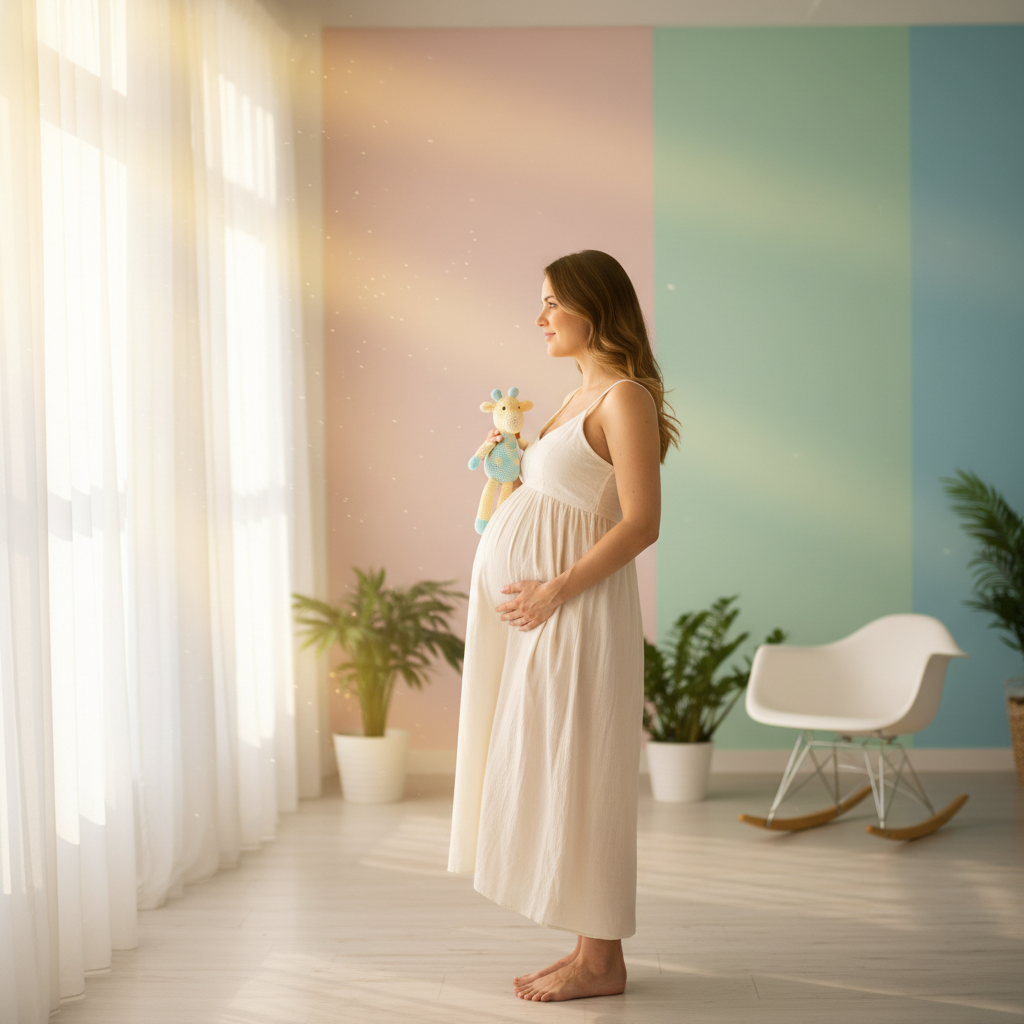
The relationship between movement and brain development begins in the womb and continues throughout early childhood. When you exercise during pregnancy, your baby experiences subtle motion and changes in heart rate that stimulate their developing vestibular system. These early movement experiences create neural pathways that become the foundation for how your baby will perceive and interact with the world.
Research from the American College of Obstetricians and Gynecologists shows that babies whose mothers engaged in regular physical activity during pregnancy demonstrate more advanced motor skills in their first year. This connection between your movement now and your baby’s future development is particularly important during the 2nd trimester when your baby’s brain is rapidly forming millions of neural connections every day.
How Movement Shapes Your Baby’s Brain
Movement doesn’t just build muscles—it literally builds your baby’s brain. Each time your baby moves, whether in utero or after birth, they create and strengthen neural connections that form the architecture of their developing mind. These connections are essential for everything from physical coordination to emotional regulation and cognitive processing.
The sensory feedback from movement experiences helps your baby’s brain organize information about their body and environment. According to developmental neuroscientists, these early movement patterns establish sensorimotor integration that becomes the foundation for more complex skills later. This is why simple activities like tummy time after birth are so crucial—they aren’t just physical exercises but brain-building experiences that establish pathways for future learning and development.
Your Body, Your Baby’s Future
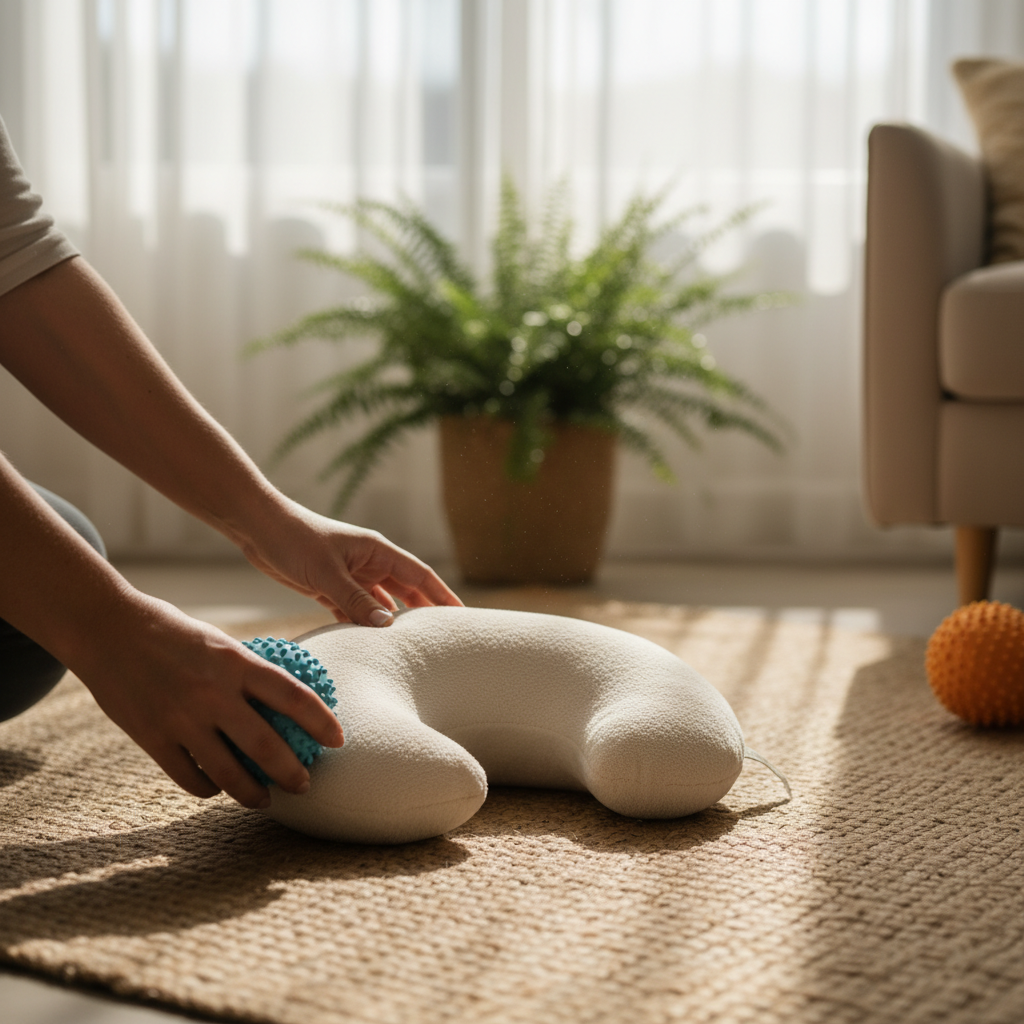
During the second trimester, your body changes dramatically to accommodate your growing baby. Your exercise choices now can help manage common discomforts like pregnancy headaches second trimester while simultaneously supporting your baby’s development. The increased blood flow from moderate exercise ensures optimal oxygen and nutrient delivery to the placenta, directly benefiting your baby’s growing brain and body.
Research published in the Journal of Developmental Origins of Health and Disease suggests that maternal exercise during pregnancy positively influences fetal heart development. Babies whose mothers exercised regularly showed more efficient cardiovascular function at birth and potentially greater resilience to stress. These physiological benefits extend beyond physical health—they may also contribute to improved neurological development and even influence your child’s future activity preferences.
Movement Milestones: From Womb to World
Your baby begins practicing movement long before birth. By midway through your pregnancy, your baby is already developing coordination through repetitive movements like kicking, sucking, and grasping. These prenatal movements are more than just cute moments to cherish—they’re essential rehearsals for life outside the womb.
After birth, your baby’s movement journey continues with predictable but individually-paced milestones. From lifting their head during tummy time to rolling, sitting, crawling, and eventually walking, each physical achievement represents thousands of neural connections being formed. Supporting these milestones with appropriate activities helps ensure your baby builds a strong movement foundation. Simple practices like varying positions during the day and providing safe spaces for exploration can significantly enhance your baby’s physical development trajectory.
Creating Movement Opportunities
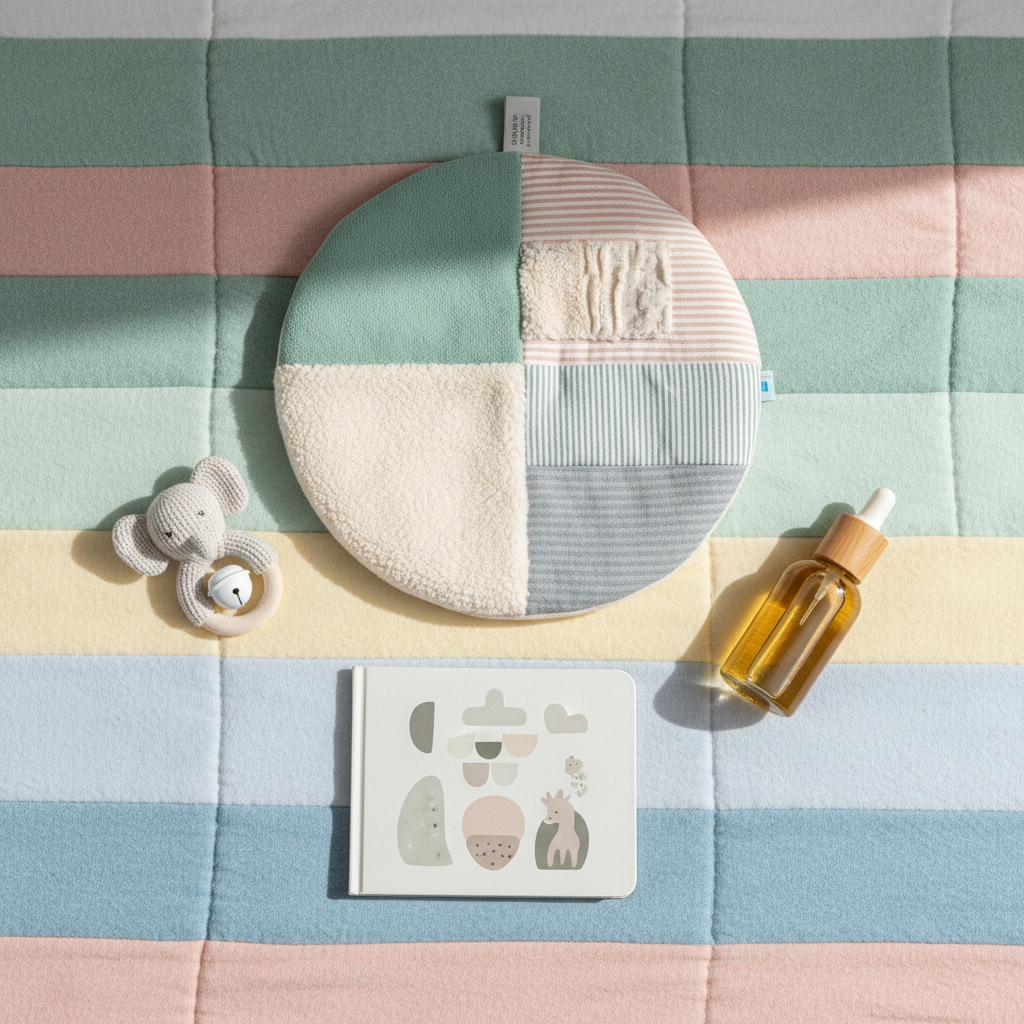
Even during pregnancy, you can begin creating a movement-friendly environment for your baby’s future. Staying active with pregnancy-safe exercises like walking not only benefits your health but also helps establish patterns that will influence your postpartum activity. Research shows that mothers who exercise during pregnancy are more likely to provide active environments for their babies after birth.
After your baby arrives, incorporating movement opportunities into daily routines doesn’t require special equipment or elaborate planning. Simple activities like:
- Supervised tummy time (aim for 30 minutes total daily, broken into short sessions)
- Gentle stretching and massage during diaper changes
- Carrying your baby in different positions throughout the day
- Creating safe spaces that encourage reaching and eventually crawling
- Dancing and moving together to music
Beyond Physical Benefits
The benefits of movement extend far beyond physical development. Movement experiences help your baby develop spatial awareness, problem-solving skills, and even emotional regulation. When babies explore through movement, they gain confidence in their abilities and develop a sense of agency in their world.
Research from child development experts indicates that early movement experiences correlate with enhanced cognitive abilities later in childhood. The physical act of navigating space helps babies understand spatial concepts that become fundamental to mathematical thinking. Additionally, the sensory feedback from movement helps babies learn to regulate their emotions by connecting bodily sensations to feelings. By supporting movement from the earliest stages, you’re not just helping your baby develop physically—you’re nurturing their emotional and intellectual growth as well.
Setting the Stage for Lifelong Movement Joy
The movement patterns established in early childhood often influence activity preferences throughout life. By creating positive movement experiences from the beginning, you help your child develop a healthy relationship with physical activity that can last a lifetime. This foundation is especially important in our increasingly sedentary world.
From the first movements felt during your pregnancy through the early years of development, each physical experience contributes to your child’s overall health trajectory. By understanding and supporting this crucial aspect of development, you’re giving your baby an invaluable gift—the joy of movement and the countless benefits it brings to body, mind, and spirit.
Sources
American College of Obstetricians and Gynecologists – Exercise During Pregnancy
Zero to Three – Early Movement and Development
Journal of Developmental Origins of Health and Disease – Maternal Exercise and Fetal Development