

Building a Bond with Your Baby in the Womb
The relationship between you and your baby begins long before birth, through a process scientists call maternal-fetal attachment (MFA). This special connection forms naturally during pregnancy and creates the foundation for your lifelong relationship with your child.
Key Highlights
Here’s what you need to know about prenatal bonding:
- Bonding with your baby starts as early as the first trimester and strengthens throughout pregnancy
- Feeling your baby move for the first time (quickening) around 20 weeks is a significant milestone in your bonding journey
- Simple daily practices like talking to your baby and gentle touch can strengthen your connection
- Strong prenatal bonds contribute positively to your child’s emotional and cognitive development
- Partners can develop their own unique bond with baby during pregnancy
Understanding Changes: The Science of Prenatal Bonding

Prenatal bonding isn’t just a feeling—it’s backed by science. The second trimester marks a particularly important period when many parents begin to feel more connected to their baby. This attachment develops naturally as your pregnancy progresses, with research showing that maternal-fetal bonding scores typically increase between the first and third trimesters. During this time, hormones like oxytocin (sometimes called the “love hormone”) help create feelings of closeness and connection.
Unlike the fully developed attachment that forms after birth, prenatal bonding represents the beginning stages of your relationship. According to the Journal of Affective Disorders, this early bonding provides the foundation for the secure attachment that will develop after your baby arrives. Many parents report that this connection feels more concrete during the second trimester, when physical symptoms often improve and the reality of having a baby becomes more tangible through ultrasounds and feeling movement.
Understanding Changes: Milestone Moments in Your Prenatal Relationship
The experience of “quickening”—feeling your baby move for the first time around 20 weeks—often marks a profound shift in how parents relate to their unborn child. This milestone tends to make the pregnancy feel more real and can trigger a deeper emotional connection. Research published in the Journal of Reproductive and Infant Psychology confirms that feeling fetal movements significantly enhances maternal-fetal bonding.
As your pregnancy advances, other moments like hearing the heartbeat, seeing ultrasound images, and learning your baby’s gender (if you choose to) can further strengthen your connection. Each of these experiences helps you form a clearer mental image of your baby as a unique individual. Many parents find that these milestone moments during the second trimester create memories they’ll cherish long after birth, becoming part of your family’s story.
Your Body & Baby: Daily Practices to Strengthen Your Bond

Simple, everyday practices can help deepen your connection with your baby. Talking to your baby regularly exposes them to your voice, which research shows they can recognize after birth. Try sharing your day, reading stories aloud, or simply saying good morning and goodnight. Gentle touch, like softly rubbing your belly when you feel movement, creates a responsive relationship—your baby may even begin to move in response to your touch or voice.
Playing music and noticing your baby’s patterns of activity can also enhance your bond. Some parents find that their baby becomes more active during certain times of day or in response to specific songs or voices. Creating rituals, like a nightly “check-in” with your baby or referring to them by name (or nickname), helps establish a sense of continuity in your relationship. These practices are especially beneficial for managing pregnancy headaches second trimester discomforts, as they redirect your focus toward the positive aspects of pregnancy.
Your Body & Baby: Why Prenatal Bonding Matters for Development
The connection you form with your baby before birth has lasting benefits. Studies published in Health Psychology Review suggest that stronger prenatal bonding is associated with better outcomes for both parent and child. For mothers, a strong prenatal bond can reduce anxiety and depression both during pregnancy and postpartum. For babies, this early connection may contribute to more secure attachment patterns after birth.
Research indicates that babies born to mothers who actively bonded during pregnancy may show better emotional regulation and cognitive development in early childhood. While every parent-child relationship develops at its own pace, nurturing this connection during pregnancy gives your relationship a head start. Many parents find that by the 2nd trimester, they’ve already developed clear feelings of love and protectiveness toward their baby, emotions that continue to grow after birth and throughout their child’s life.
Healthy Living Tips: Overcoming Bonding Challenges
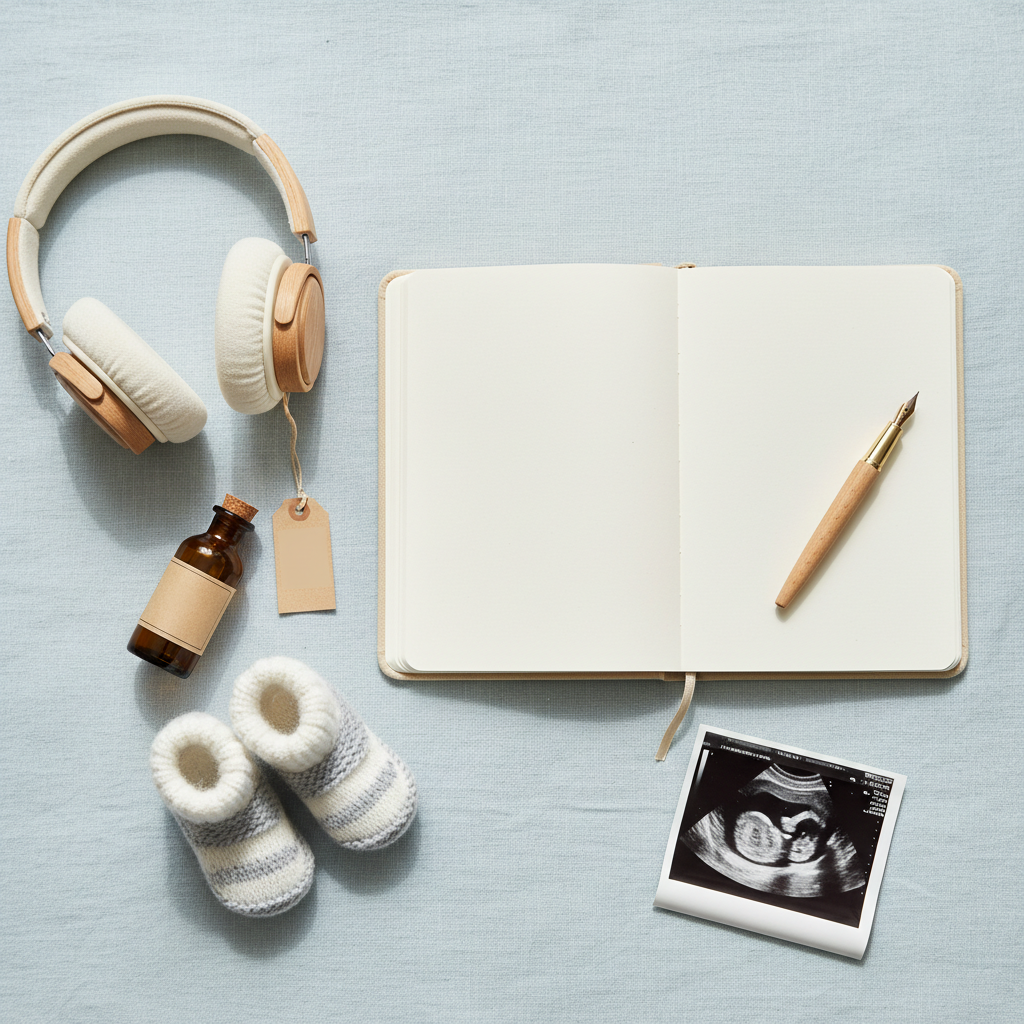
Not everyone bonds with their baby in the same way or at the same time, and that’s completely normal. Factors like pregnancy complications, previous pregnancy loss, or persistent discomfort can sometimes make bonding more challenging. According to research from Maternal and Child Health Journal, other variables such as pregnancy intention, maternal age, and life circumstances may also influence how bonding develops. If you’re in the 2nd month pregnancy period and haven’t felt a strong connection yet, remember that bonding can happen gradually.
If you’re concerned about bonding, consider keeping a pregnancy journal to track your emotions and experiences. Speaking with your healthcare provider or a mental health professional can also provide valuable support. Many parents find that creating a baby wish jar or similar ritual helps foster connection when bonding doesn’t feel immediate. Remember that there’s no “right way” to feel during pregnancy, and many parents who worry about prenatal bonding go on to form deep, loving relationships with their children after birth.
Healthy Living Tips: Including Partners in the Prenatal Bonding Experience
Partners play an important role in the prenatal bonding experience. Research shows that when partners are involved and supportive during pregnancy, it positively affects the pregnant person’s bonding with the baby. Partners can develop their own unique connection with the baby through activities like talking to the belly, feeling movements, attending prenatal appointments, and helping prepare the nursery.
For many families, shared activities like reading baby books together, playing music for the baby, or creating a name list become meaningful bonding rituals. Partners can also support bonding by helping address physical discomforts that might distract from enjoying the pregnancy. According to the Journal of Psychosomatic Obstetrics & Gynecology, partners who actively engage with the pregnancy report feeling more connected to the baby after birth and transition more smoothly into their parenting role. Encouraging your partner to interact with your baby in the womb helps them build confidence in their parenting abilities before your baby responds to their voice and touch.
Building Your Family’s Future
The bond you develop with your baby during pregnancy is the first chapter in your parenting journey. Each conversation, gentle touch, and moment of connection lays the groundwork for your relationship after birth. By understanding that bonding is both a biological process and an emotional journey, you can approach this special time with confidence and joy.
Whether you feel an immediate connection or develop it gradually over time, trust that your relationship with your baby is uniquely yours. The effort you make to connect during pregnancy benefits both you and your baby, creating a foundation of love that will continue to grow throughout your lives together.
Sources
- Journal of Affective Disorders: Maternal-fetal attachment and depression
- Journal of Reproductive and Infant Psychology: Fetal movements and maternal-fetal bonding
- Maternal and Child Health Journal: Factors affecting prenatal bonding
- Journal of Psychosomatic Obstetrics & Gynecology: Partner involvement in pregnancy
- Health Psychology Review: Long-term effects of prenatal bonding