

Building a Bond with Your Baby in the Womb
The connection between you and your baby begins long before birth, forming through a process known as maternal-fetal attachment (MFA). This special relationship develops naturally throughout your pregnancy, creating the foundation for a lifetime of emotional connection between you and your child.
Key Highlights
Here’s what you’ll discover about bonding with your baby during pregnancy:
- Bonding with your baby begins in the first trimester and strengthens as your pregnancy progresses
- Feeling your baby’s first movements around 20 weeks (quickening) is a significant bonding milestone
- Simple daily practices like talking to your baby and gentle touching enhance your connection
- Prenatal bonding has positive effects on your baby’s development after birth
- Partners can actively participate in building their own bond with the baby
Understanding Changes: The Science of Prenatal Bonding

Prenatal bonding is a natural process that evolves throughout your pregnancy, particularly during the second trimester when your baby’s movements become noticeable. This connection involves developing feelings of love, protection, and curiosity about your growing baby. According to research from the Journal of Perinatal Education, maternal-fetal attachment is distinct from the attachment that forms after birth—it’s the emotional investment you make in your baby while they’re still in the womb.
Bonding develops differently for each parent and strengthens gradually as your pregnancy progresses. During the first trimester, you might feel connected through seeing ultrasound images or hearing the heartbeat. By the second trimester, your baby’s movements provide tangible evidence of their presence, making the bond more concrete. The American Pregnancy Association notes that these early connections form the psychological foundation for your parenting relationship.
Understanding Changes: Milestone Moments in Your Prenatal Relationship
One of the most significant bonding milestones occurs around 20 weeks with “quickening”—the moment you first feel your baby move. These first flutters often create a profound shift in how real your baby feels to you. Research published in the Journal of Obstetric, Gynecologic & Neonatal Nursing shows that maternal-fetal attachment scores typically increase after mothers experience quickening.
As your pregnancy advances through the 2nd trimester, these movements evolve from subtle flutters to more distinct kicks, rolls, and hiccups. Each of these interactions becomes a form of communication between you and your baby. Many parents find that responding to these movements by touching your belly or talking back helps strengthen your connection. By keeping track of when your baby is most active, you’ll begin to recognize patterns in their behavior even before birth.
Your Body & Baby: Simple Daily Practices to Strengthen Your Bond

Creating a connection with your baby doesn’t require elaborate rituals—simple daily practices can foster meaningful bonds. Talking to your baby during regular activities helps them become familiar with your voice, which they can hear from around 18 weeks. Research from the Cleveland Clinic suggests that babies in the womb can recognize their mother’s voice and may respond with movement when they hear it.
Gentle belly touching and massage is another powerful bonding technique, especially when dealing with pregnancy headaches second trimester discomforts that might otherwise distract you from connecting. Creating a relaxing environment, playing music, or reading stories aloud allows both you and your baby to share calm, focused time together. Some parents find that keeping a pregnancy journal helps them process their feelings and document this unique time. According to a study in BMC Pregnancy and Childbirth, these intentional bonding activities correlate with stronger maternal-fetal attachment.
Your Body & Baby: Why Prenatal Bonding Matters for Development
The bond you form with your baby during pregnancy has meaningful effects that extend well beyond birth. Research from the journal Infant Mental Health shows that stronger prenatal attachment often translates to more sensitive and responsive parenting after birth. This foundation of emotional security supports your baby’s social, emotional, and cognitive development.
When you bond prenatally, your body often produces less cortisol (the stress hormone) and more oxytocin (the bonding hormone), creating a more favorable biochemical environment for your developing baby. Studies have linked stronger prenatal bonding with reduced maternal anxiety and depression, which benefits both mother and baby. By the 2nd month pregnancy of your second trimester, these physiological connections are well-established, creating patterns that will continue after birth. This early relationship lays the groundwork for your child’s future attachment style and how they’ll relate to others throughout life.
Healthy Living Tips: Overcoming Challenges to Prenatal Bonding
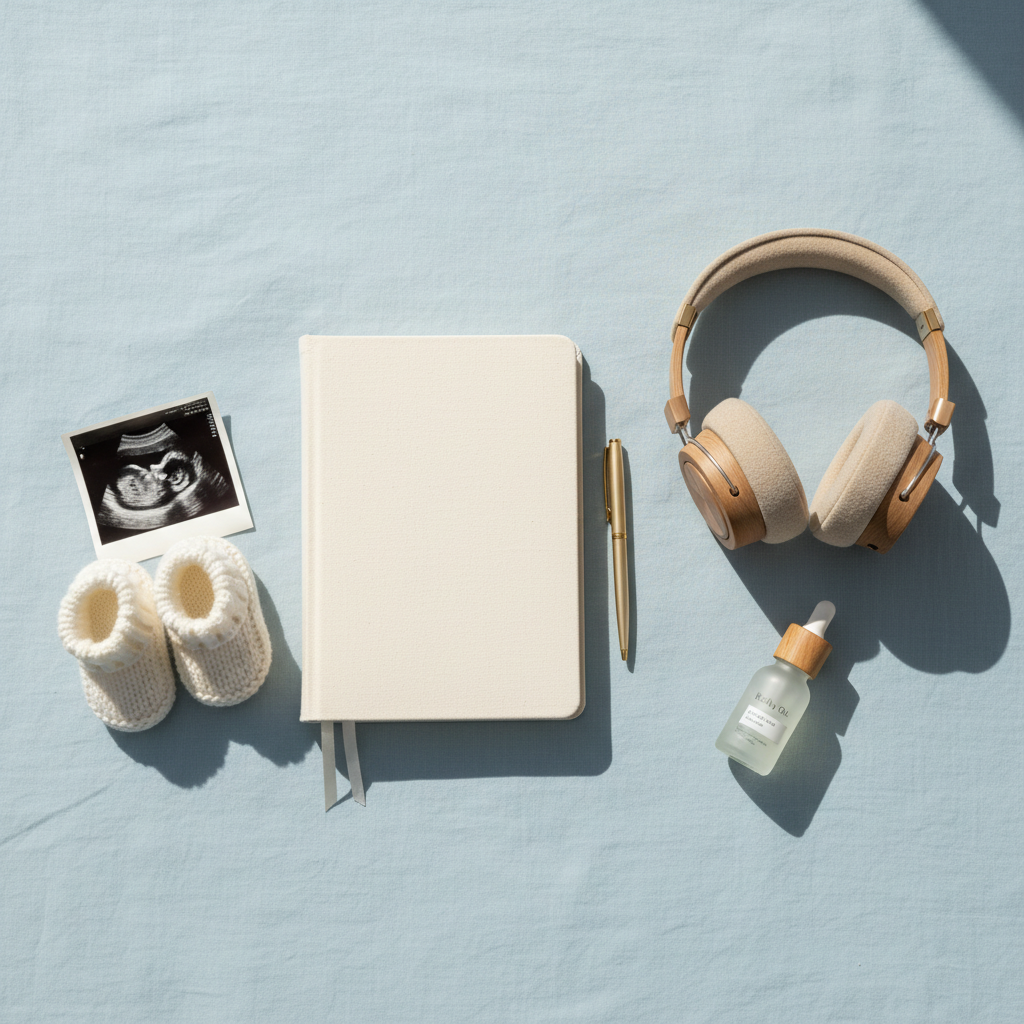
Not every parent experiences an immediate or strong bond during pregnancy, and that’s completely normal. Factors like pregnancy intention, previous pregnancy losses, stress levels, and life circumstances can all influence how bonding develops. If you’re not feeling connected yet, be patient with yourself—bonding often develops gradually and at different paces for different people.
High stress levels can make it difficult to focus on bonding. Taking time for self-care through adequate rest, gentle movement, and proper nutrition creates space for connection to develop naturally. Some expectant parents find that creating a baby wish jar or similar ritual helps them focus positive intentions toward their baby. If you’re experiencing persistent difficulty connecting, speaking with your healthcare provider or a mental health professional can provide valuable support and strategies tailored to your situation.
Healthy Living Tips: Including Partners in the Prenatal Bonding Experience
Partners play a vital role in the prenatal bonding process, even though they don’t physically carry the baby. Research from the Journal of Reproductive and Infant Psychology shows that partner attitudes significantly influence the pregnant mother’s attachment to the baby. When partners actively engage with the pregnancy, it creates a supportive environment for bonding.
There are many ways for partners to develop their own connection with the baby. Attending prenatal appointments, feeling the baby’s movements, talking to the baby, and participating in preparations like setting up the nursery all foster meaningful connections. Partners can learn about how babies respond to light and sound and use this knowledge to interact with the baby through the womb. Creating shared rituals, like reading bedtime stories together to the baby or playing specific music, builds three-way bonding experiences that strengthen family connections even before birth.
Building a Foundation for Lifelong Connection
The relationship you build with your baby during pregnancy is the beginning of a lifelong journey of connection and love. Each interaction, whether it’s responding to a kick, singing a lullaby, or simply resting your hands on your growing belly, contributes to this special bond. Remember that bonding is a personal experience that unfolds uniquely for everyone—there is no single “right way” to connect with your baby.
As you move through your pregnancy, embrace the opportunities to know and love your baby, trusting that these early connections matter. The time you spend building your relationship now sets a positive foundation for the years of parenting ahead. Whatever form your bonding takes, it’s preparing both you and your baby for the moment you’ll finally meet face to face.
Sources
- Journal of Perinatal Education: Maternal-Fetal Attachment
- American Pregnancy Association: Bonding With Your Baby
- Journal of Obstetric, Gynecologic & Neonatal Nursing: Maternal-Fetal Attachment
- Cleveland Clinic: Bonding With Baby Before Birth
- BMC Pregnancy and Childbirth: Prenatal Bonding Activities
- Infant Mental Health Journal: Maternal-Fetal Attachment and Parenting
- Journal of Reproductive and Infant Psychology: Partner Involvement in Pregnancy